How a 17-Year-Old Built Crayo AI to $600K/Month in Less Than a Year

Who is Daniel Bitton?
Daniel Bitton is a 17-year-old entrepreneur from Cyprus who began his journey in content creation at the age of nine and quickly scaled multiple successful ventures, including an AI-powered SaaS company, Crayo, that he co-founded. Despite leaving high school to pursue his entrepreneurial ambitions, Daniel has leveraged his early experiences in video editing and marketing to create a profitable business ecosystem.
What problem does Crayo solve?
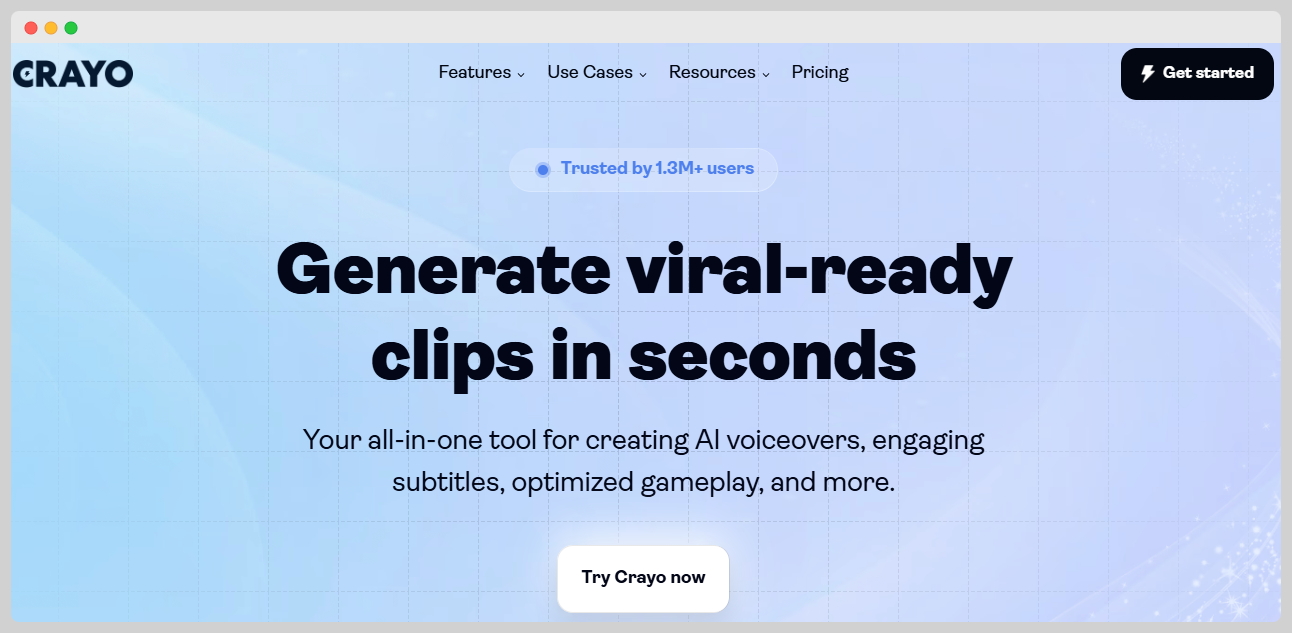
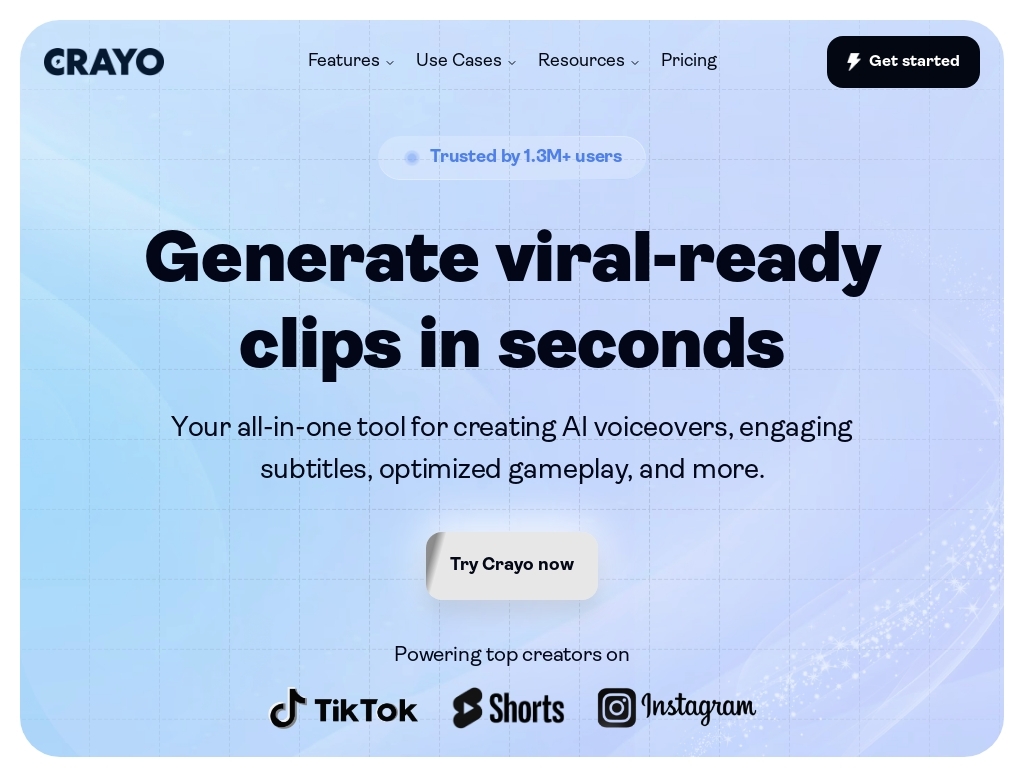
Crayo solves the headache of time-consuming video editing for content creators by using AI to automate tasks like subtitles, animations, and music, making video production swift and straightforward.
How did Daniel come up with the idea for Crayo?
Daniel's journey to creating Crayo began with personal frustration in the laborious process of editing short-form videos. Initially finding success with Snapchat, a change in their algorithm drastically affected his earnings, prompting him to pivot quickly. Observing the rise of YouTube Shorts, he realized there was a common struggle among creators: the time-consuming nature of video production. This insight inspired him to develop an AI-powered tool that automates video editing, addressing the inefficiencies he'd experienced firsthand.
Before fully diving into the development of Crayo, Daniel validated the problem with fellow content creators and confirmed a broader demand for a more streamlined editing process. Despite the initial version of Crayo being far from perfect, Daniel was receptive to user feedback and relentlessly focused on improving the product. The early challenges taught him the importance of adaptability and listening to customer input, which guided the continuous enhancement of Crayo's features. This process of quick iteration and leveraging user insights laid a strong foundation for the tool that significantly eased content production for many creators.
How did Daniel Bitton build the initial version of Crayo?
Daniel and his team built Crayo, an AI-powered video creation tool, with a modest initial investment of $10,000. They focused on solving the inefficiencies and time-consuming nature of producing short-form content, leveraging AI to automate tasks like subtitles, animations, and music integration. Initially, the development phase was challenging, with Daniel himself admitting the first version was "horrible." However, they quickly iterated based on user feedback, transforming it into a much more user-friendly and powerful tool within a few months. Crayo was developed in a lean manner with a single developer handling the tech side, likely integrating technologies such as GPT for certain features, while the core team concentrated on getting the product market-ready and improving continuously through direct user input.
What were the initial startup costs for Crayo?
- Product Development: Daniel and his team built the initial version of Crayo for $10,000 upfront.
How did Daniel launch Crayo and get initial traction?
Affiliate Marketing
The Crayo founders, Daniel and Musa, utilized an affiliate marketing program to spread the word about their AI-powered video creation tool. They established a network of content creators who would create videos showcasing the benefits of using Crayo for short-form content. These creators recommended Crayo in their videos, giving the software authentic and relatable exposure.
Why it worked: Affiliate marketing leveraged the existing audiences of established creators, providing social proof and credibility to new users. This strategy turned users into marketers, driving organic growth without additional advertising costs.
Video-Based Courses
In addition to promoting Crayo through affiliates, the founders created educational courses focused on helping people succeed with short-form content. These courses naturally led participants to use Crayo, aligning the knowledge from the course with the practical application of their software.
Why it worked: Offering educational content positioned the software as not just a tool but part of a larger solution to the user's problem. It steered users who learned about content creation directly into adopting Crayo for their projects, resulting in increased user engagement and loyalty.
Organic Content Strategy
Instead of spending on traditional ads, the business grew through organic content and social media presence. Daniel himself used his personal brand and video newsletters as direct communication channels, engaging with potential customers by showcasing the behind-the-scenes and practical uses of Crayo.
Why it worked: This approach allowed Crayo to engage with the audience on a personal level, maintaining authenticity and building trust. It drew in users without the overhead of paid advertising, relying on the compelling narrative of the brand and its young founder.
What was the growth strategy for Crayo and how did they scale?
Affiliate Marketing
Crayo's growth significantly leveraged affiliate marketing. Daniel and his partner Musa built a marketing strategy centered around affiliates who actively promoted the software by creating videos on how to make money with short-form content. These content creators made money by recommending Crayo as a tool, effectively turning their audiences into potential customers for Crayo. This method not only expanded their reach without traditional advertising costs but also directly increased their user base.
Why it worked: This strategy worked because it utilized a network of content creators who had existing audiences interested in short-form video content, which is precisely what Crayo's software enhances. Affiliates were motivated by the potential earnings, leading to widespread, organic promotion of Crayo. The strategy is cost-effective as it drove growth without direct advertising expenses.
Educational Courses
Crayo also harnessed the power of educational content by offering courses on succeeding with short-form content. These courses served a dual purpose: they educated users on how to create engaging content and naturally funneled them towards using Crayo’s software for efficiency and effectiveness. This approach reinforced Crayo’s value proposition and deepened customer engagement.
Why it worked: The courses acted as an innovative marketing funnel. By teaching necessary skills and then offering the Crayo tool as a way to enhance those skills, users saw the software as an essential component of their content creation success. This integration of education and product usage created a natural flow that increased software adoption.
Personal Branding
Daniel has used his personal brand effectively to drive interest and credibility for Crayo. He has been active on various platforms, sharing content that boosts his authority in the industry. By linking his entrepreneurship journey with Crayo’s growth, he has created a narrative that attracts a target audience keen on entrepreneurship and content creation.
Why it worked: Personal branding established a level of trust and authenticity. As Daniel positioned himself as a thought leader, his audience became more receptive to exploring the tools and strategies he recommended, including Crayo. His unique position as a successful young entrepreneur resonates with aspiring content creators and entrepreneurs, effectively broadening Crayo’s user community.
What's the pricing strategy for Crayo?
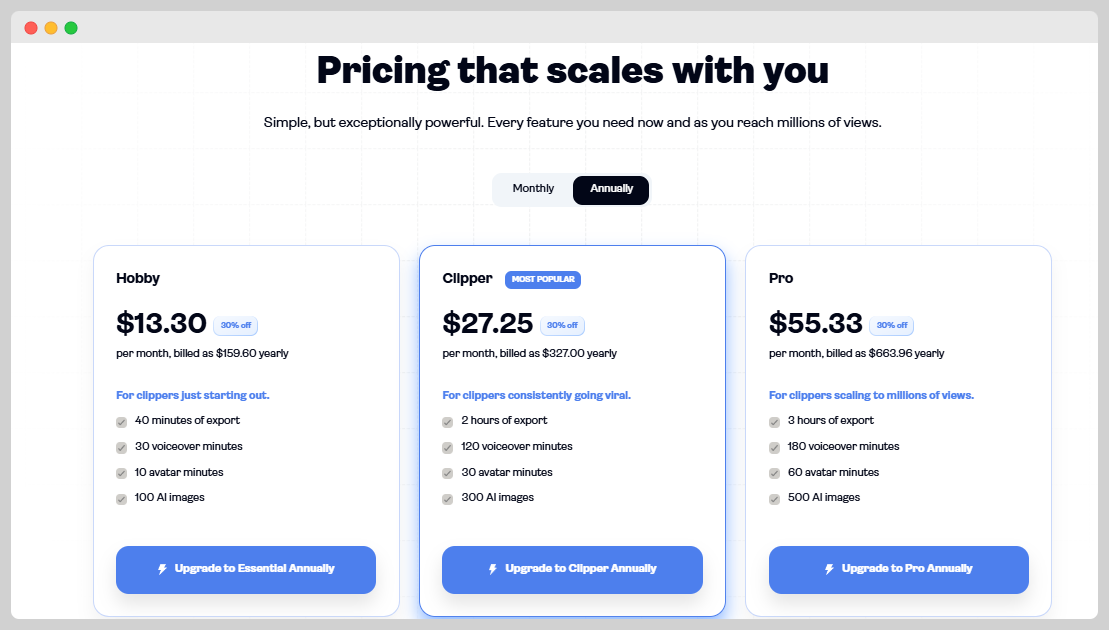
Crayo offers a token-based pricing model where users purchase tokens for specific features, allowing flexibility and upsell opportunities, with plans ranging from casual to power users.
What were the biggest lessons learned from building Crayo?
- Pivot Quickly: When Snapchat's changes hit, Daniel swiftly shifted focus to YouTube Shorts. This adaptability allowed him to rebound from setbacks and find new opportunities quickly. Aspiring founders should stay flexible and open to change.
- Embrace Imperfection: Crayo's initial version was "horrible," but Daniel launched it anyway and improved over time with user feedback. Don't let the quest for perfection delay your launch. Release, gather feedback, and iterate.
- Leverage Affiliate Marketing: Daniel grew Crayo without spending on ads by creating an affiliate network of content creators. He turned users into marketers, proving that organic growth can be powerful. Focus on building systems that scale through customer advocacy.
- Diversify Revenue Streams: Beyond Crayo's core SaaS offering, Daniel developed courses, which not only diversified income but also helped funnel users into the software. Founders should explore multiple ways to generate revenue to ensure stability.
- Network and Learn: Daniel sought advice from experienced entrepreneurs and leveraged his network to improve. Building strong connections and remaining a constant learner can enhance your business acumen and open new doors.
Discover Similar Business Ideas Like Crayo
|
|
Idea
|
Revenue
|
|---|---|---|
|
AI-powered social media carousel creator.
|
$10K
monthly
|
|
|
AI marketing tools for Solopreneurs.
|
$10K
monthly
|
|
|
AI coding assistant for non-developers building...
AI coding assistant for non-developers building web apps. |
$333K
monthly
|
|
|
QR code management for dynamic tracking and edi...
QR code management for dynamic tracking and editing. |
$300K
monthly
|
|
|
'Website builder for non-coders'
|
$990K
monthly
|
|
|
'Digital giving platform for churches.'
|
$1.3M
monthly
|
|
|
"Online courses for mastering Microsoft Azure"
|
$10K
monthly
|





More about Crayo:
Who is the owner of Crayo?
Daniel Bitton is the founder of Crayo.
When did Daniel Bitton start Crayo?
2023
What is Daniel Bitton's net worth?
Daniel Bitton's business makes an average of $600K/month.
How much money has Daniel Bitton made from Crayo?
Daniel Bitton started the business in 2023, and currently makes an average of $7.2M/year.