How WeWeb.io's No-Code Platform Accelerated to Prominence and User Growth

Who is Raphael Goldsztejn?
Raphael Goldsztejn, the co-founder and CEO of WeWeb.io, grew up in Dijon, France, and has a background in finance and marketing with consulting experience. Passionate about web development and startups, he co-founded WeWeb.io to make coding more accessible.
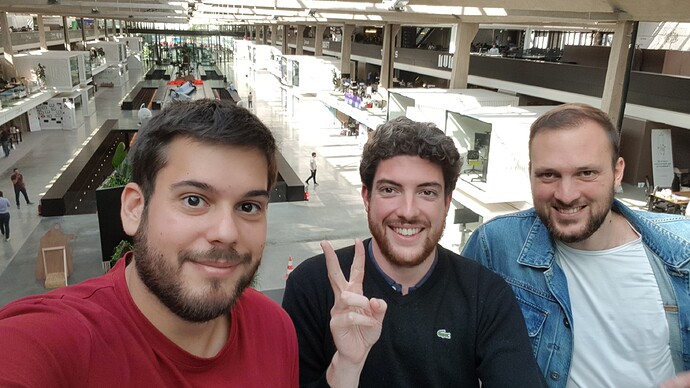
Raphael, Marc & Florian WeWeb Cofounders
What problem does weweb.io solve?
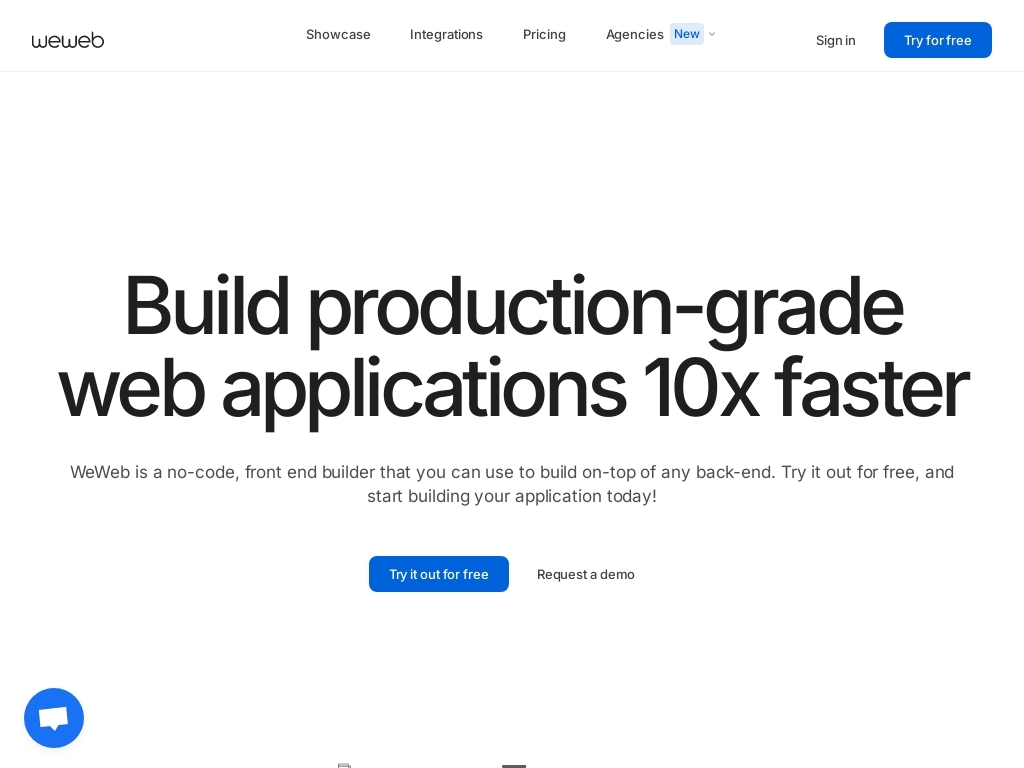
WeWeb.io solves the problem of complex web app development by allowing non-coders and coders alike to quickly build and customize web applications without needing deep technical skills. For users overwhelmed by traditional coding, WeWeb offers an intuitive, no-code interface that saves time and reduces reliance on expensive developers, making it a go-to solution for entrepreneurs and small business owners eager to turn ideas into digital realities efficiently.
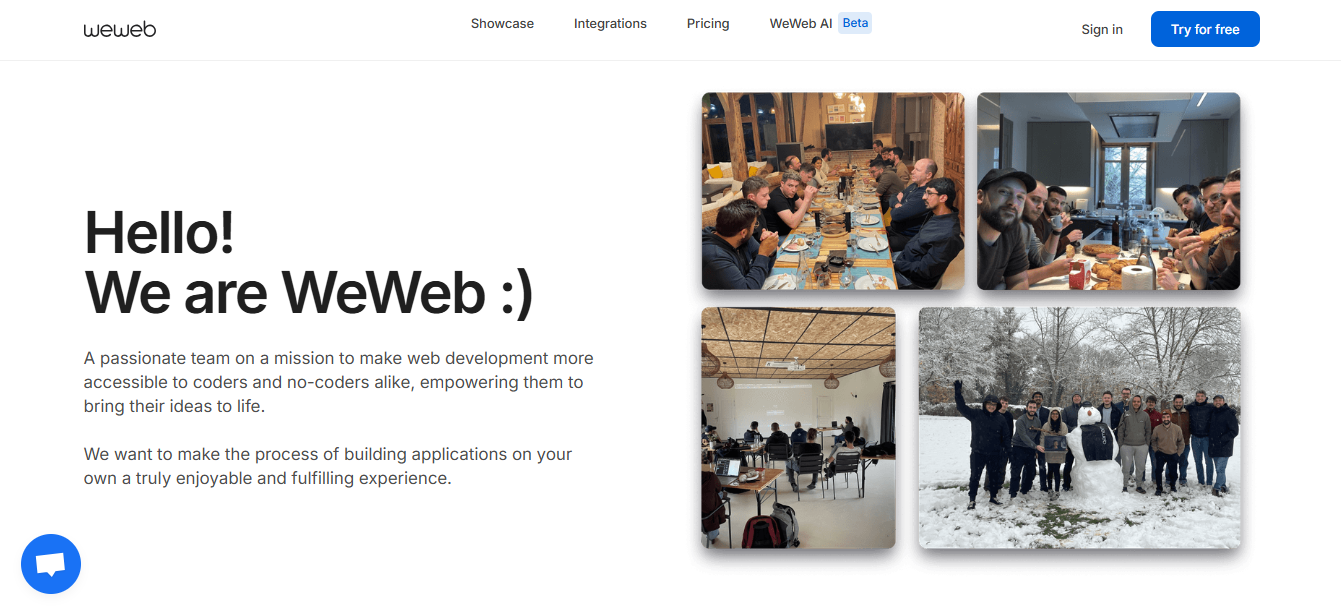
Homepage
How did Raphael come up with the idea for weweb.io?
Before weweb.io, the founders Raphael, Marc, and Florian were working on a music app and found it thrilling to engage with users in lively environments like bars. Through this project, they met many entrepreneurs whose determination to innovate sparked their own desire to start something new. Motivated by these encounters and their passion for web development, they decided to focus on creating a no-code platform that embraced modern tech stacks, enabling people to build applications without deep technical skills.
The team realized that while technologies like React and Vue.js allowed for powerful web app development, they required a level of expertise that wasn't accessible to everyone. They saw an opportunity in bridging this gap, inspired by their past experiences and the rise of component-based frameworks. To ensure their idea resonated with potential users, they engaged with existing communities and observed how users molded existing tools to suit their needs.
This led them to refine their initial concept, emphasizing ease of use and flexibility across different backend systems. The founders faced the challenge of integrating no-code ease with sophisticated tech capabilities but persevered by continually seeking user feedback and iterating on their ideas. From this journey, they learned the importance of aligning their product's capabilities with the changing landscape of web development, a principle that shaped the evolution of weweb.io.
How did Raphael Goldsztejn build the initial version of weweb.io?
WeWeb.io was developed by the founders using a modern tech stack tailored for no-code and low-code web application development. They began with component-based front-end frameworks like React and Vue.js, and integrated them with backend systems like Airtable, REST APIs, and PostgreSQL. The development of the first version took about a year, during which they faced challenges integrating the complex tech stack into a seamless no-code platform. They overcame these hurdles by iterating based on user feedback and by utilizing Y Combinator mentorship to refine their product to better meet customer needs. Initially, the process was complex, but it eventually led to a robust platform with a backend-agnostic approach that supports a wide range of data sources.
What was the growth strategy for weweb.io and how did they scale?
Community Forum
WeWeb leveraged a community forum to build a space for their users to interact, share experiences, and provide feedback. By fostering an engaged community, they were able to directly connect with their users and quickly adapt to their needs. This forum allowed them to keep a pulse on user satisfaction and gather valuable insights.
Why it worked: Having a dedicated platform for user interaction provided a sense of belonging and commitment among users. It helped build a community around their product, which not only increased user retention but also enabled organic growth as satisfied customers shared their experiences with others.
Y Combinator
Joining Y Combinator, a well-known startup accelerator, gave WeWeb significant exposure and credibility. This association provided mentorship opportunities and access to a network of potential partners, investors, and early adopters.
Why it worked: Y Combinator is a prestigious accelerator that offers invaluable resources for growth. Through their network, WeWeb could quickly scale by leveraging the expertise and connections of YC partners and alumni. This experience helped them refine their business model and product offerings.
Strategic Partnerships
WeWeb made strategic partnerships, such as collaborations with platforms like Figma, to enhance their product offering and reach. This allowed them to meet user needs for seamless integration with tools they were already using, like the Figma to WeWeb plugin.
Why it worked: Strategic partnerships expanded their functionality and market reach. By aligning with complementary platforms, WeWeb could tap into existing user bases that were already interested in their type of product, facilitating growth through increased accessibility and convenience for new users.
Focused Product Development
WeWeb's approach to iterative, customer-focused product development ensured that they continued to align closely with market demands. They refined user experience based on feedback and prioritized ease of use.
Why it worked: This method fostered an environment of continual improvement, driving customer satisfaction and loyalty. By consistently releasing updates and new features that users are excited about, WeWeb kept engagement high and encouraged word-of-mouth referrals.
What's the pricing strategy for weweb.io?
WeWeb.io offers a tiered pricing strategy with plans starting at $49/month for small projects, scaling up to advanced options that include extensive customization features and code exports.
What were the biggest lessons learned from building weweb.io?
- Listen to Feedback: WeWeb 2.0 emerged from responding to user feedback, adapting their product to better serve customer needs, and enhancing the user experience.
- Embrace Transparency: WeWeb values openness within their team, fostering a culture of sharing work, decisions, and challenges to build trust and drive collective success.
- Adapt and Pivot: After noticing users creating web applications instead of just websites, WeWeb shifted its focus to meet this demand, leading to the successful launch of WeWeb 2.0.
- Prioritize Flexibility: Offering code export for all plans provides users freedom and reduces the risk of vendor lock-in, demonstrating WeWeb's commitment to user empowerment.
- Value Resilience and Experimentation: WeWeb embraces a culture of experimentation and learning from failures, recognizing that persistence and calculated risks are key to innovation and growth.
What platform/tools does weweb.io use?
Discover Similar Business Ideas Like weweb.io
|
|
Idea
|
Revenue
|
|---|---|---|
|
AI quiz generator for educators.
|
$4K
monthly
|
|
|
"AI tool for effortless video content creation."
|
$600K
monthly
|
|
|
AI tool that helps content creators, founders, ...
AI tool that helps content creators, founders, and marketers make VIRAL content & ads with AI while saving 100's of hours per month |
$400K
monthly
|
|
|
"Email signature marketing hub for solopreneurs."
|
$55K
monthly
|
|
|
AI-powered social media carousel creator.
|
$10K
monthly
|
|
|
AI chatbot builder for businesses.
|
$180K
monthly
|
|
|
"Create real-time status pages for seamless cus...
"Create real-time status pages for seamless customer updates." |
$24K
monthly
|





More about weweb.io:
Who is the owner of weweb.io?
Raphael Goldsztejn is the founder of weweb.io.
When did Raphael Goldsztejn start weweb.io?
2016
What is Raphael Goldsztejn's net worth?
Raphael Goldsztejn's business makes an average of $267K/month.
How much money has Raphael Goldsztejn made from weweb.io?
Raphael Goldsztejn started the business in 2016, and currently makes an average of $3.2M/year.