How Thomas Sanlis Grew Uneed to 42K Monthly Visitors with $0 Budget

Who is Thomas Sanlis?
Thomas Sanlis, a 29-year-old French native from Nantes, built Uneed as a side project during his web development studies. With a background in web development, design, and business, he is passionate about independence and creativity, often balancing freelance work with teaching and personal projects.
What problem does Uneed solve?
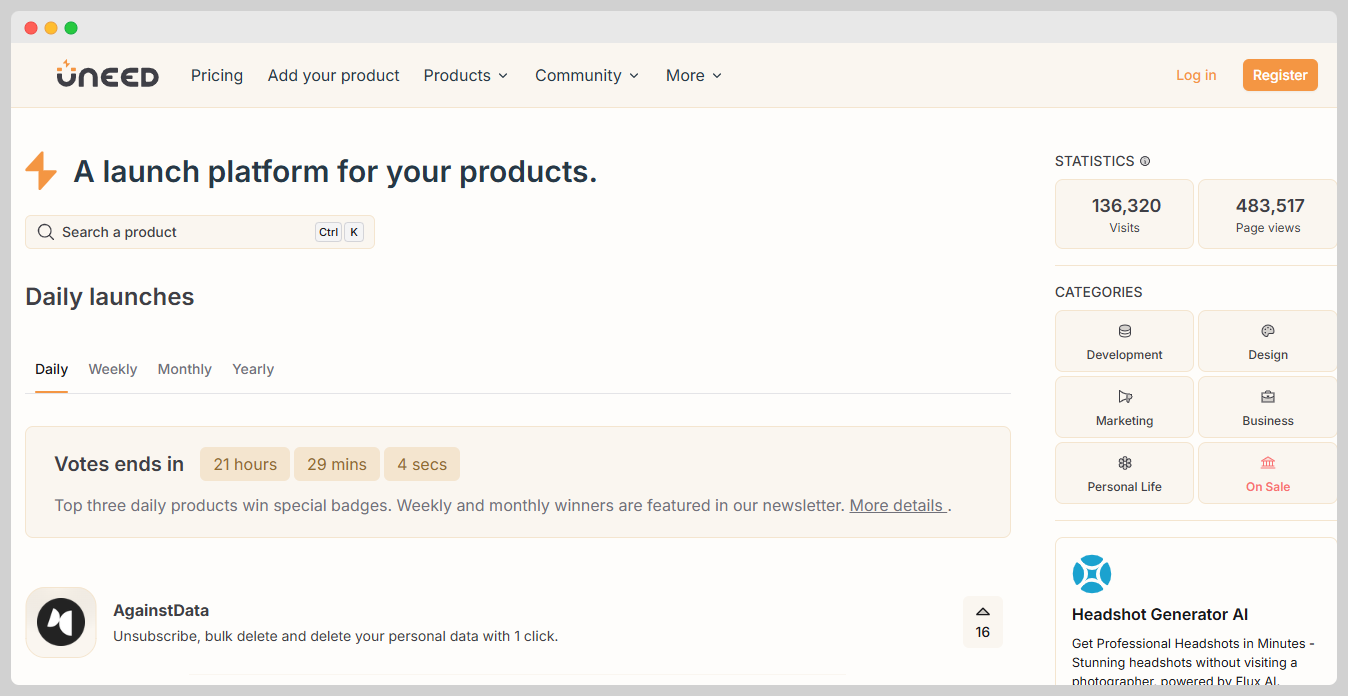
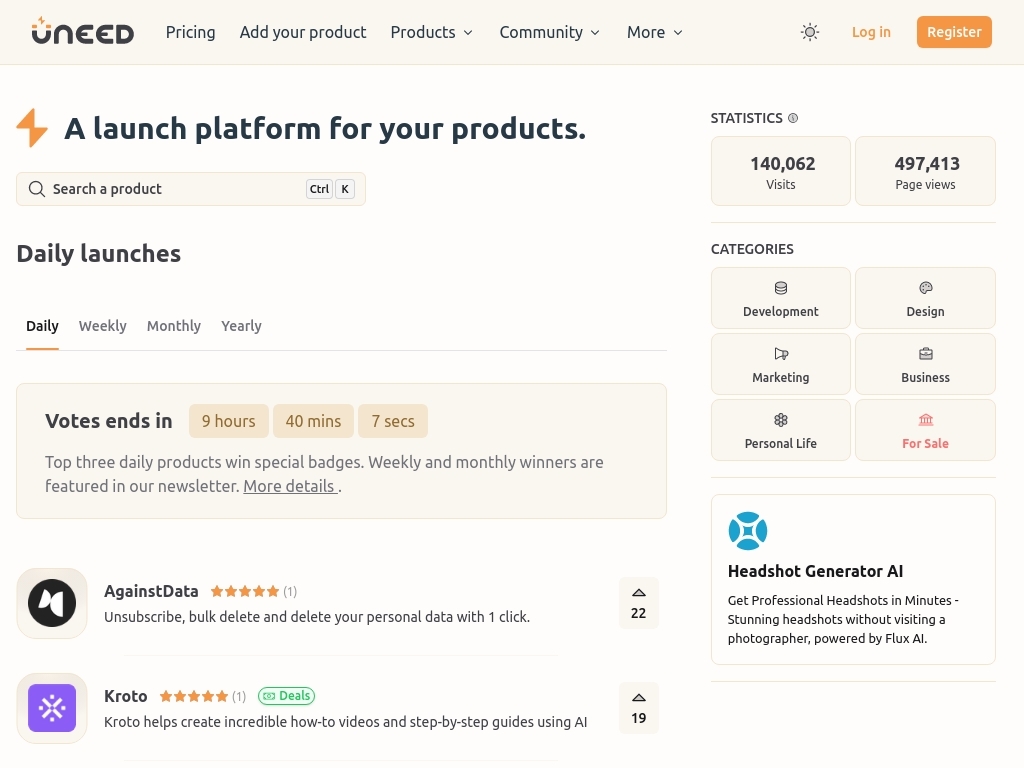
Uneed helps users quickly find a diverse range of tech tools beyond the SEO-driven industry giants, alleviating the frustration of sifting through irrelevant search engine results.
How did Thomas come up with the idea for Uneed?
Thomas Sanlis, a French web developer, came up with the idea for Uneed during his web development studies as an exploration into a new web framework called NuxtJS. Initially, it was a side project aimed at serving his personal need for a curated directory of frontend tools to streamline his development projects. This simple directory gradually evolved over time as he recognized a broader demand for categorized tools across different disciplines like design and marketing.
The concept solidified further when he realized that existing search engines weren't efficient in helping people discover lesser-known tools, leading him to expand Uneed's focus. Thomas didn't initially dedicate significant effort to market research, but organic interactions, such as a casual comment comparing Uneed to Product Hunt, provided valuable insight that influenced his direction. These serendipitous validations, combined with accumulating feedback from his user base, helped him refine Uneed's offerings, ultimately shaping it into a versatile tool discovery platform.
Creating Uneed wasn't without challenges; Thomas grappled with typical uncertainties and the demands of indie hacker life. He learned to manage these difficulties by cultivating a routine that prioritized efficiency and balance, thereby avoiding burnout. A key takeaway from his journey was the importance of persistence and openness to learning, as these facilitated continuous improvement of Uneed over time. His experience underscores the value of iterating based on real-world feedback while maintaining a mindset that embraces freedom and variety as essential motivators.
How did Thomas Sanlis build the initial version of Uneed?
Thomas Sanlis built Uneed using a tech stack that includes NuxtJS for the frontend, Supabase for the database, and Tailwind CSS for styling, while also using Bento for email marketing and automation. He began the project as a simple directory of front-end tools, ultimately testing and iterating daily by adding a new tool. The development process involved testing a new tool each day for over three years, allowing him to gradually improve and expand Uneed's offerings.
Building Uneed was challenging due to its bootstrap nature—it took nearly three years for the platform to gain traction and start generating revenue. The experience taught Thomas to focus on simplicity, automation, and consistent improvements over time, leveraging these elements to enhance the product while managing personal workload and preventing burnout.
What were the initial startup costs for Uneed?
- Launch Costs: It cost $0 to launch Uneed.
- Funding: Uneed did not raise any money during its startup phase.
How did Thomas launch Uneed and get initial traction?
Product Hunt Launch
Thomas Sanlis launched Uneed on Product Hunt to gain visibility among tech enthusiasts and early adopters. The platform provided a space where young users and technophiles could discover Uneed, leading to significant traffic growth. After being featured on Product Hunt, Uneed experienced a steady stream of visitors and increased engagement, as it was positioned as an alternative to popular platforms like Product Hunt itself.
Why it worked: Product Hunt is a well-trafficked site for discovering new tech products, making it an ideal place to showcase Uneed's offerings to a receptive audience. Thomas's launch on Product Hunt allowed the platform to reach its target audience quickly and benefit from word-of-mouth among tech communities.
Newsletter Marketing
Thomas utilized a newsletter to keep users engaged and informed about the new tools added to Uneed. He grew the newsletter subscriber base primarily by encouraging users to sign up when creating an account on Uneed. Over time, the newsletter became a crucial method for retaining and re-engaging users.
Why it worked: The newsletter provided a consistent touchpoint with users, reinforcing Uneed’s presence in their minds and driving repeat visits to the site. Even for those who did not open every email, seeing Uneed in their inbox helped maintain awareness and interest in the platform.
Consistent Tool Addition and Social Sharing
Thomas committed to adding one tool per day to Uneed, maintaining a consistent flow of new content for users. Occasionally, he mentioned Uneed in tweets and Reddit posts to generate traffic and awareness. This steady flow of new content and social activity helped keep Uneed on the radar of potential customers and community members.
Why it worked: Consistency in updates ensured users had a reason to return frequently, making it more likely they would spread the word about Uneed. Social sharing of content helped Thomas reach new audiences and capitalize on networks like Twitter and Reddit for organic growth.
Waiting Queue and Paid Promotion
To manage the influx of tool submissions, Thomas introduced a waiting queue. Founders could either wait for their tool to be listed or pay a fee for expedited publication within 24 hours. This strategy not only helped manage the content flow but also became a primary revenue stream for Uneed, attracting initial paying customers.
Why it worked: The waiting queue created a sense of urgency and exclusivity, encouraging more founders to opt for paid promotion. This approach effectively monetized the platform early on, providing necessary capital without significant upfront investment.
What was the growth strategy for Uneed and how did they scale?
SEO
Uneed effectively utilized SEO to drive growth by creating numerous pages that target specific search queries. They focused on programmatic SEO to rank on the first page of Google for searches related to alternatives to well-known tools. This approach capitalized on users looking for tool comparisons or product alternatives, leading to increased organic traffic. Additionally, consistent addition of tools to the site over three years contributed to building a library of content that improved Uneed’s search visibility and authority over time.
Why it worked: By systematically increasing the number of searchable pages and targeting niche search queries, Uneed managed to capture traffic from both users searching for tools and creators seeking visibility. This patient and strategic accumulation of content enriched their SEO performance, eventually leading to substantial traffic growth from search engines.
Product Hunt
Uneed gained significant traction from a successful launch on Product Hunt. This platform, which shares a significant overlap with Uneed’s target audience of early adopters and technophiles, provided an ideal environment to introduce Uneed to potential users interested in discovering new tech tools. The Product Hunt launch not only drove immediate traffic but also catalyzed word-of-mouth marketing that sustained Uneed's visibility.
Why it worked: Product Hunt is well-suited for tech-centric audiences likely to engage with new tool directories like Uneed. The exposure from the launch directly aligned with Uneed's market, leading to both immediate sign-ups and longer-term user engagement, bolstered by ongoing word-of-mouth referrals.
Newsletters
Uneed grew a sizable newsletter audience, leveraging account sign-ups to convert users into subscribers. This strategy allowed for regular re-engagement with their audience, ensuring Uneed remained top-of-mind for users who might not visit the website regularly. Despite the challenge of low open rates, maintaining a constant presence in users' inboxes helped build brand recall and foster user loyalty.
Why it worked: Newsletters provided a direct line of communication to users, allowing Uneed to keep them informed about new tools and updates. This consistent engagement was crucial for brand retention, helping to bring users back to the platform and sustaining interest over time.
Backlinks
Uneed established a robust network of backlinks as their content became organically referenced across various platforms, including blogs, Reddit, and videos. The listing of various tools also created reciprocal backlink opportunities with those tool sites. This network not only supported their SEO efforts but also expanded their visibility across the web.
Why it worked: Backlinks are a significant factor in improving a website's authority and search engine ranking. By being mentioned on multiple platforms and creating reciprocal links, Uneed increased its site authority, boosting its SEO effectiveness and leading to higher organic traffic over time.
What's the pricing strategy for Uneed?
Uneed monetizes by offering free listings for tools with an option to skip the long waiting list by paying $50, demonstrating a freemium model focusing on urgency-based upgrades.
What were the biggest lessons learned from building Uneed?
- Embrace Consistency: Thomas Sanlis grew Uneed largely through the power of consistency. By adding one tool daily and gradually building value over time, consistency proved essential in eventually attracting thousands of daily visitors.
- Value Simplicity: Throughout Uneed’s journey, simplicity remained a key factor. Instead of overloading the platform with features, it focused on providing easy access to essential tools, ensuring user experience remained straightforward and effective.
- Leverage Community for Growth: Building a network of backlinks and utilizing community platforms like Product Hunt allowed Uneed to increase visibility. Engaging with platforms where potential users congregate can foster growth and visibility.
- Prioritize Work-Life Balance: Thomas manages burnout by prioritizing efficiency and balance over long hours. Maintaining physical and mental health is key to sustaining long-term productivity and satisfaction in entrepreneurship.
- Adapt and Learn Continuously: The journey involved learning new skills, like SEO, and adapting strategies based on feedback and results. Flexibility and a willingness to pivot based on new insights can significantly aid business growth and sustainability.
Discover Similar Business Ideas Like Uneed
|
|
Idea
|
Revenue
|
|---|---|---|
|
Open-source publishing platform empowering independent creators. |
$625K /mo | |
|
Coaching service for product-led SaaS success |
$192K /mo |

More about Uneed:
Who is the owner of Uneed?
Thomas Sanlis is the founder of Uneed.
When did Thomas Sanlis start Uneed?
2019
What is Thomas Sanlis's net worth?
Thomas Sanlis's business makes an average of $10K/month.
How much money has Thomas Sanlis made from Uneed?
Thomas Sanlis started the business in 2019, and currently makes an average of $120K/year.