How I Started and Got Customers For My Kubernetes App
Who are you and what business did you start?
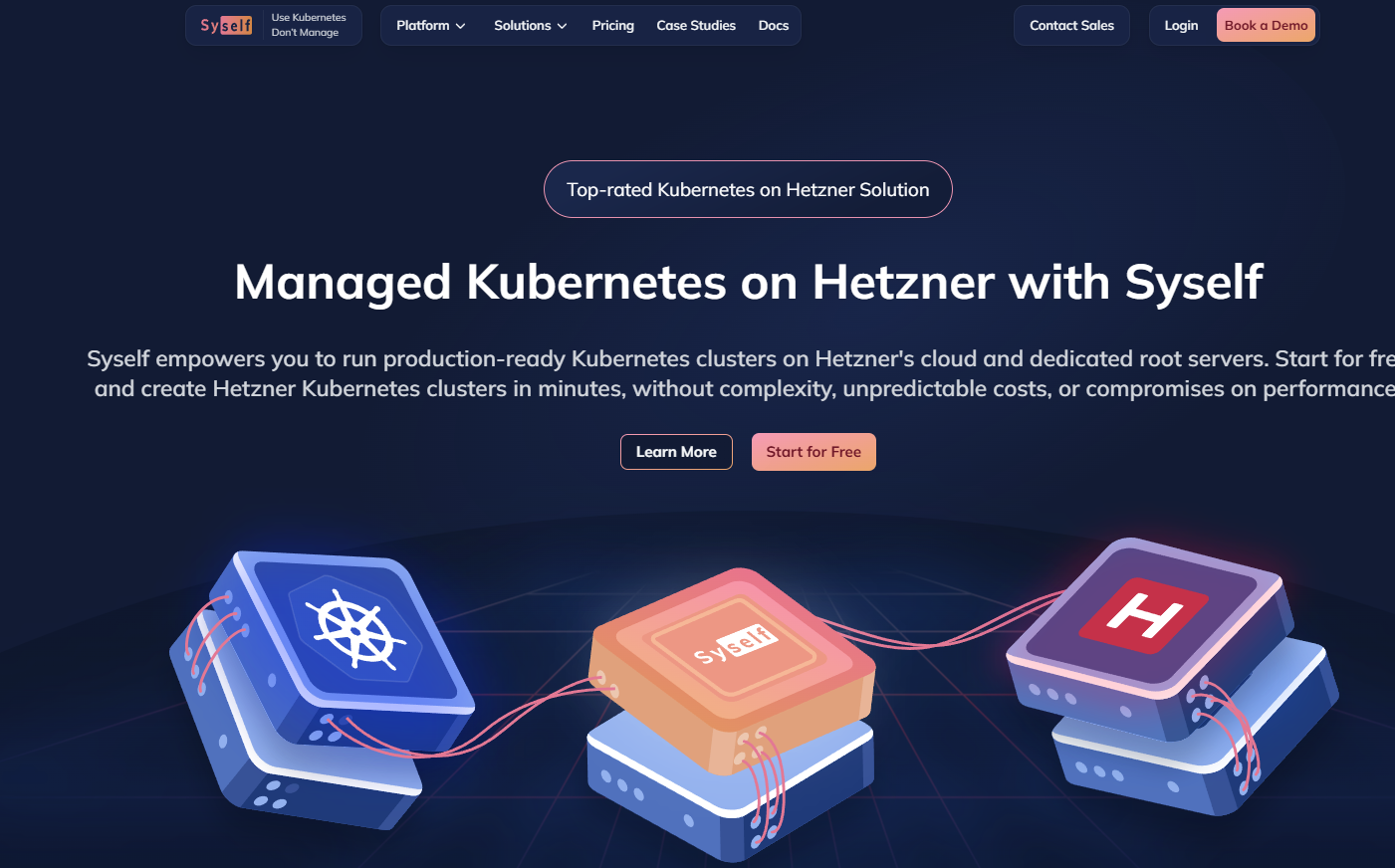
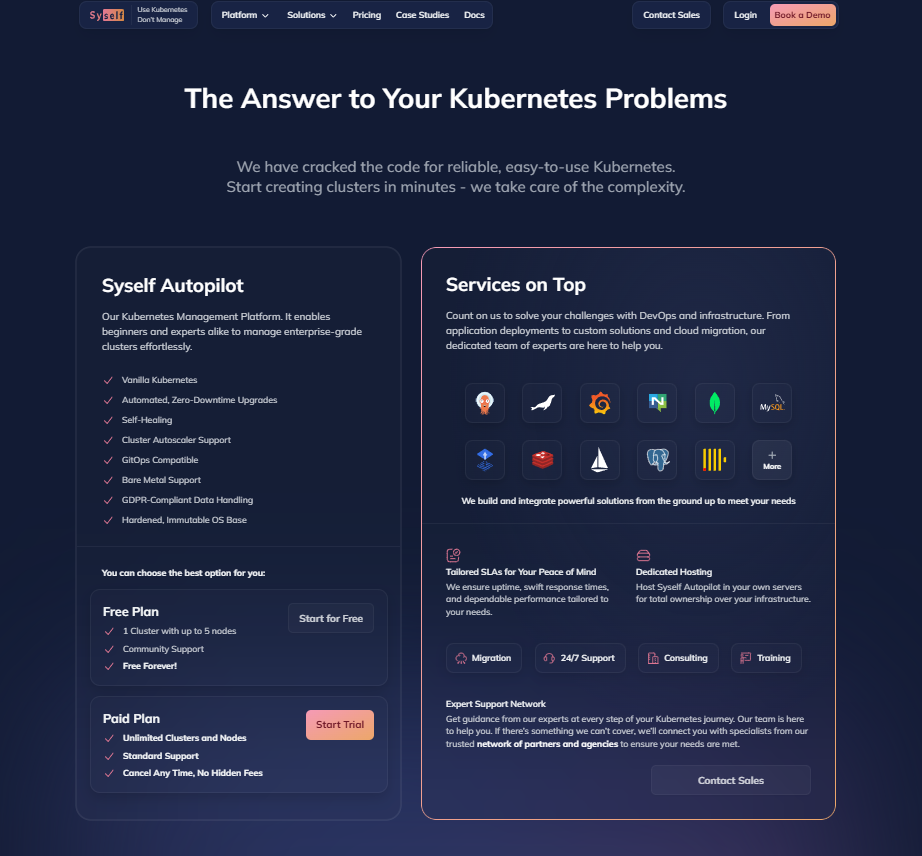
Hello! I’m Sven, the founder of Syself, where we’re on a mission to make Kubernetes easy, efficient, and cost-effective. Managing cloud infrastructure can be complex and time-consuming, so we built Syself Autopilot, a fully automated Kubernetes management platform that takes care of the heavy lifting—provisioning, scaling, updating, and securing clusters—so teams can focus on building great applications instead of maintaining infrastructure.
Syself primarily serves startups, SaaS companies, AI/ML ventures, and enterprises looking to simplify their Kubernetes operations while optimizing cloud costs. What makes us unique is our cost-efficient, open-source-driven approach—we offer fully automated Kubernetes on any cloud or bare metal, helping customers save up to 80% on infrastructure costs by running clusters on affordable providers like Hetzner. Unlike other platforms, we provide "vanilla" Kubernetes with no lock-in, backed by enterprise-grade automation and 24/7 support. Today, Syself is growing steadily, with an increasing number of companies adopting our platform to modernize their cloud-native infrastructure.
My image
Founder-Market Fit
Skills
What skills did Sven Batista Steinbach have that led to their success?
How do you come up with the idea for Syself?
The idea for Syself came from firsthand experience with the challenges of managing Kubernetes at scale. Before starting Syself, I worked extensively in cloud infrastructure and DevOps, helping companies deploy and maintain Kubernetes clusters. I repeatedly saw teams struggling with complexity, high costs, and the steep learning curve of Kubernetes. Many businesses wanted the power of Kubernetes but lacked the expertise or resources to operate it efficiently. That’s when I realized there was an opportunity: What if Kubernetes could manage itself?
The "aha" moment came when I was helping a company migrate from a managed Kubernetes service to a self-hosted setup on a more cost-effective cloud provider. The migration was technically possible but incredibly tedious—provisioning nodes, configuring networking, ensuring updates wouldn’t break anything. It became clear that automation and simplicity were missing from Kubernetes management, especially for companies that wanted to optimize costs and avoid vendor lock-in.
My image
How did you build the initial version of Syself?
How We Built the First Version of Syself: Identifying the Core Problem & Market Need: Before writing a single line of code, I spent months talking to DevOps engineers, CTOs, and Kubernetes users to understand their biggest challenges. The common pain points were clear—Kubernetes was too complex, managed services like AWS EKS and GKE were expensive, and self-hosting Kubernetes required too much manual effort. Companies wanted automation, flexibility, and cost savings without vendor lock-in.
That’s when the idea for Syself Autopilot took shape. Our goal was simple: one command to create a production-ready Kubernetes cluster without the hassle of manual setup and management. Instead of competing with managed cloud services, we wanted to provide an open, cost-efficient alternative that worked on any infrastructure—especially on affordable providers like Hetzner.
Building an MVP (Minimum Viable Product): To move quickly, we focused on a single core feature: automated Kubernetes provisioning on Hetzner Cloud. We used Cluster API, an open-source Kubernetes lifecycle management tool, and built a custom controller to handle node provisioning and scaling. Instead of overwhelming users with too many options, we created a simple CLI tool that allowed them to deploy clusters with just one command.
Once we had the prototype, we tested it with real users—DevOps teams, startup founders, and Kubernetes enthusiasts. We collected feedback on usability, performance, and security, and then refined the product with bi-weekly updates. The key was iterating fast—we kept improving the tool based on real-world use cases and fixing pain points that surfaced during testing.
How did you launch Syself and get initial traction?
How We Launched Syself:
We launched Syself by engaging directly with the Kubernetes and DevOps communities rather than relying on traditional marketing. We started by sharing our solution in developer forums, Slack groups, Reddit, and open-source communities, focusing on how Syself could automate Kubernetes while reducing costs. We also wrote technical blog posts and case studies to showcase real-world benefits.
Spreading the Word: Instead of spending on ads, we focused on word-of-mouth and organic reach. We engaged with early adopters, answered Kubernetes-related questions, and offered free trials to DevOps teams. Our open-source contributions, particularly to Cluster API, also helped drive awareness.
First Sales & Customer Response:
The response was positive, developers and startups immediately saw value in easier, cost-effective Kubernetes management. Our first paying customer came in about five months, a company struggling with self-hosting Kubernetes on Hetzner. They signed up after testing our automation and seeing the time and cost savings firsthand.
Lessons Learned:
We learned that community engagement and transparency were more effective than aggressive sales. If we launched again, we’d invest earlier in educational content and video tutorials. The biggest realization? Solving a real pain point is the best marketing.
What was the growth strategy for Syself and how did you scale?
Developer Communities & Forums Syself shared its automation-focused Kubernetes solution in forums like Reddit, relevant Slack groups, and developer communities. These discussions targeted DevOps engineers and startups experiencing similar infrastructure challenges. Why it worked: Direct engagement allowed Syself to build credibility quickly and reach early adopters already interested in cloud automation.
Open-Source Contributions The team contributed improvements to projects like Cluster API and openly shared their own tools, which drew interest from the Kubernetes ecosystem. This approach fostered trust and demonstrated technical capability to the target audience. Why it worked: Open-source participation established Syself as a knowledgeable resource and generated organic word-of-mouth within the infrastructure community.
Technical Content & Case Studies Syself published technical blog posts and case studies that highlighted specific cost savings and simplified operations using their tool, appealing to decision-makers and technical leads. Why it worked: Detailed, educational content helped articulate Syself’s value proposition and provided tangible proof to technical buyers evaluating Kubernetes solutions.
Free Trials & Direct Outreach They offered free trials to DevOps teams and engaged in one-on-one conversations, guiding prospects through evaluating the platform. Why it worked: Personalized support and a hands-on experience addressed concerns directly and converted engaged users into the first paying customers.
What platform/tools does Syself use?
Discover Similar Business Ideas Like Syself




More about Syself:
Who is the owner of Syself?
Sven Batista Steinbach is the founder of Syself.
When did Sven Batista Steinbach start Syself?
2020
How much money has Sven Batista Steinbach made from Syself?
Sven Batista Steinbach started the business in 2020, and currently makes an average of .
More Case Studies Like This




Starter Story × HubSpot
Free tools for every part of your business.
Find customers, win deals, and automate the busywork with HubSpot's free tools.