I Bootstrapped My SEO App to $8K/Month
Who are you and what business did you start?
I’m Vadim Kravcenko, a developer with a product itch and very little patience for bloated marketing tools. Alongside my co-founder, Lida Stepul, we built SEOJuice — a fully automated SEO optimization tool designed for business owners who have better things to do than optimize their 10'000 pages by hand or pay expensive retainers to agencies to do that for them.

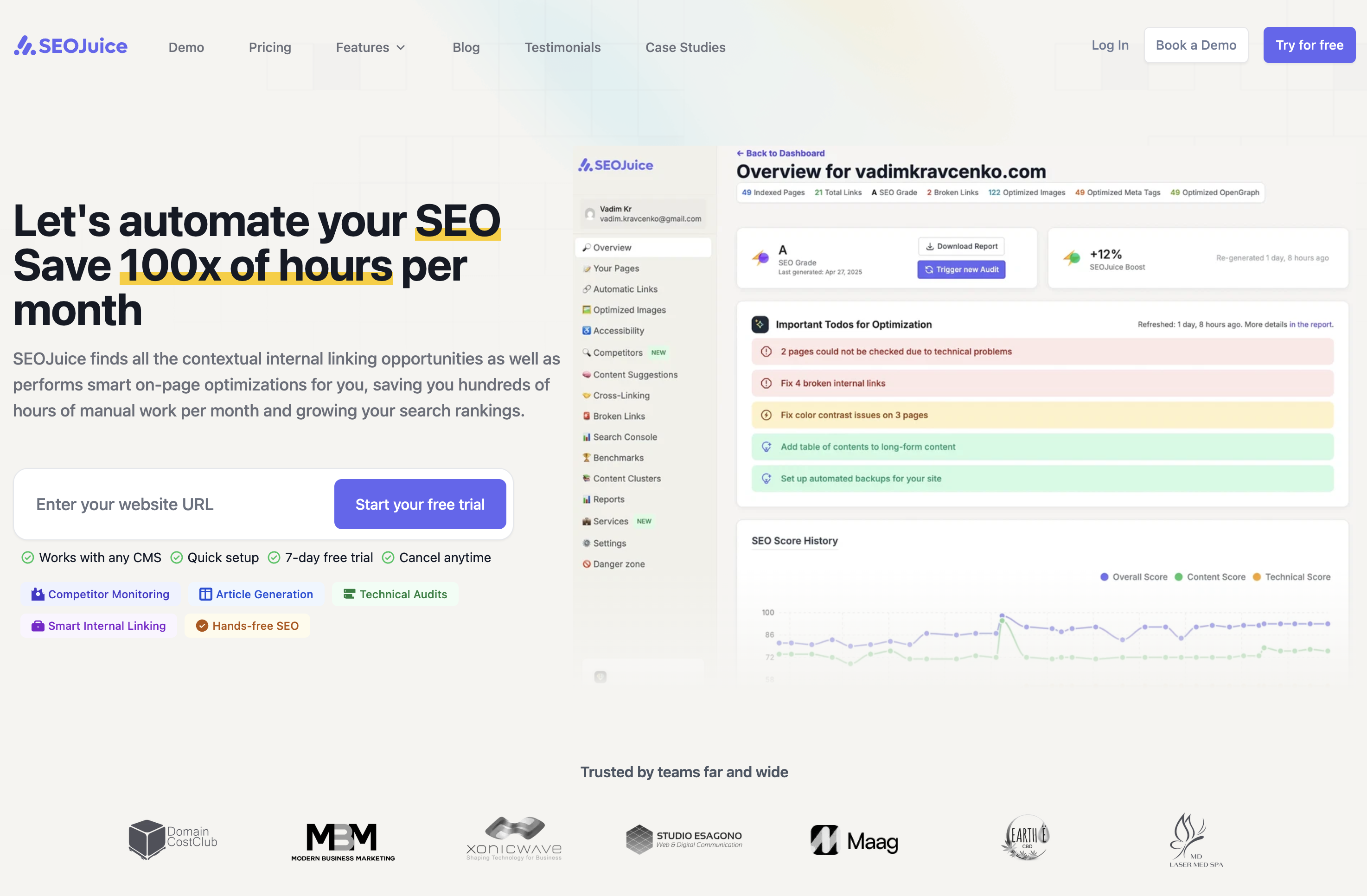
Current version of the dashboard
We’re bootstrapped, profitable, and currently doing around $8K in MRR with slow and steady growth. Lida handles the operations, brand, and growth (and keeps me from overengineering everything). I handle the tech and product, mostly by building stuff I wish had existed five years ago.
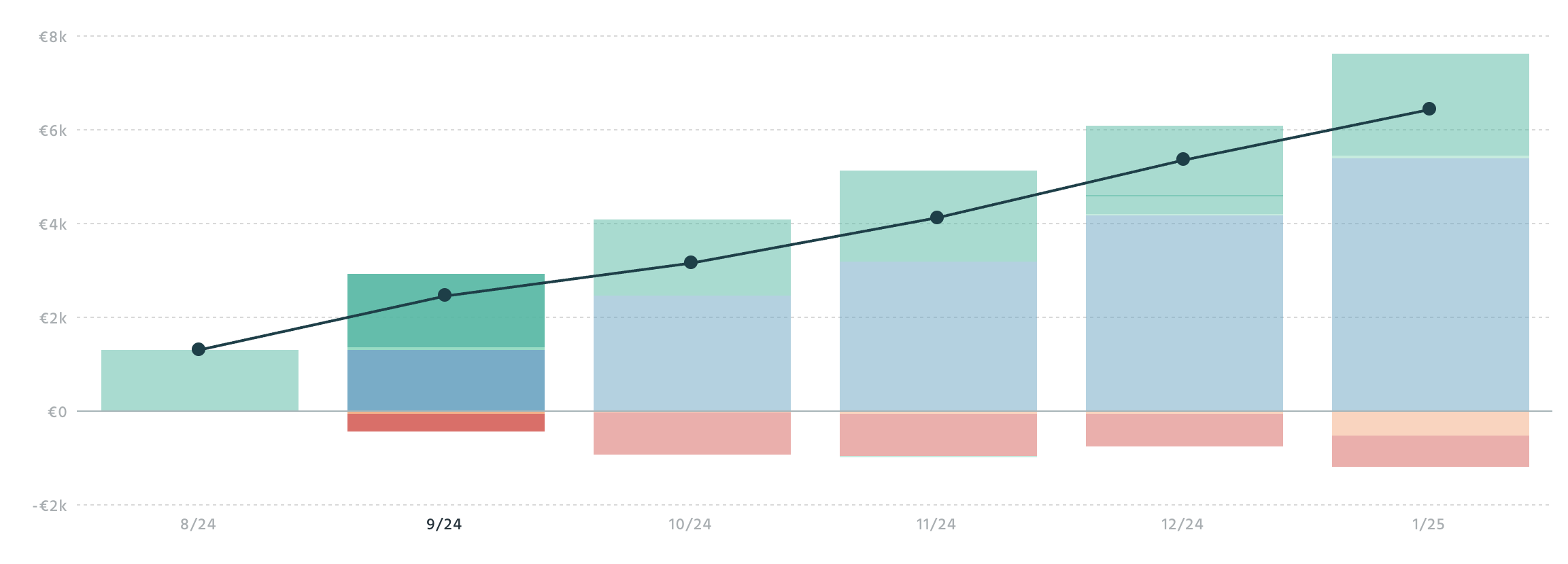
Slow and steady
How do you come up with the idea for SEOJuice?
SEOJuice started as a frustration project. I was maintaining my own blog and realized I was wasting so many hours manually adding internal links, fixing image metadata, and double-checking accessibility tags.
I tried to build a simple WordPress plugin — but ended up not wanting to meddle with the database. So I tried approaching this from a different perspective — all search engines don’t have any issues rendering javascript nowadays (NextJS, Angular, React are proof of that), so I built a separate backend and a JS snippet. It pulled page data, analyzed content, suggested links, and updated the pages on-the-fly.
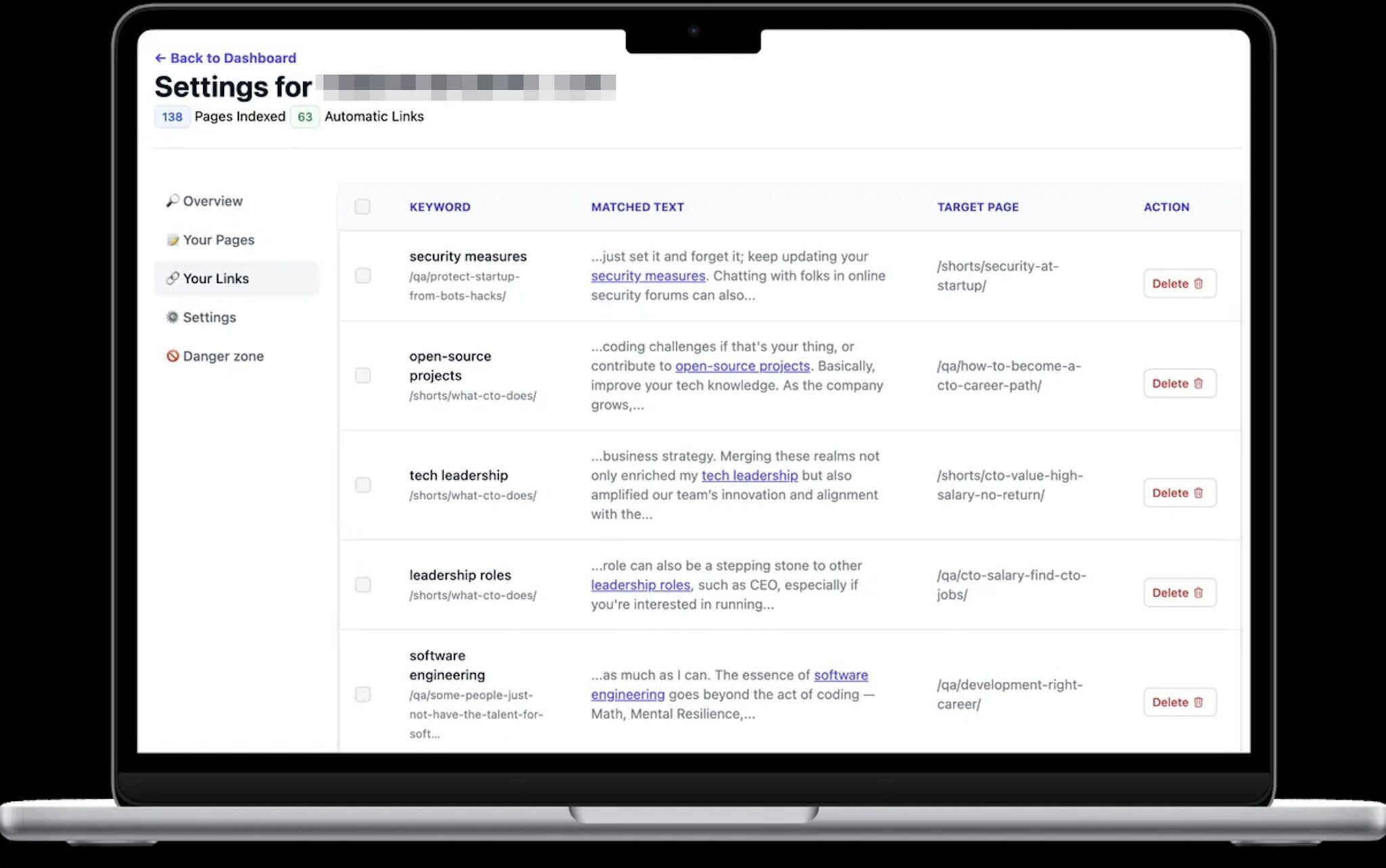
Initial dashboard, built fully with bootstrap CSS
It was built for one user: me. It was basic HTML with a python backend. It had no polish, and definitely no onboarding. But it worked.
I put together some user management, minimal dashboard, added stripe payments, and wrapped the backend in something functional, and set up a simple landing page using Flowbite explaining what the tool does. No full website, a single page.
I posted on Hacker News ShowHN first, where it wasn’t received that well by the dev community (but it isn’t a dev tool, so I wasn’t surprised).

ProductHunt Launch with 351 Upvotes and 63 Comments
The first real validation came from Product Hunt. I dropped it there with zero expectations, just a clear description and a few screenshots. That post brought in our first wave of paying customers and we reached #2 product of the day. Most of them were solo founders and small teams eager to provide feedback.
After the Product Hunt launch, I followed up with nearly everyone who upvoted, commented, or signed up. I asked what confused them, what they expected, and what they actually wanted. Those early chats shaped everything: the pricing, the onboarding, even the copy. Instead of “learning SEO” most people wanted a reliable sidekick that quietly fixed what mattered.
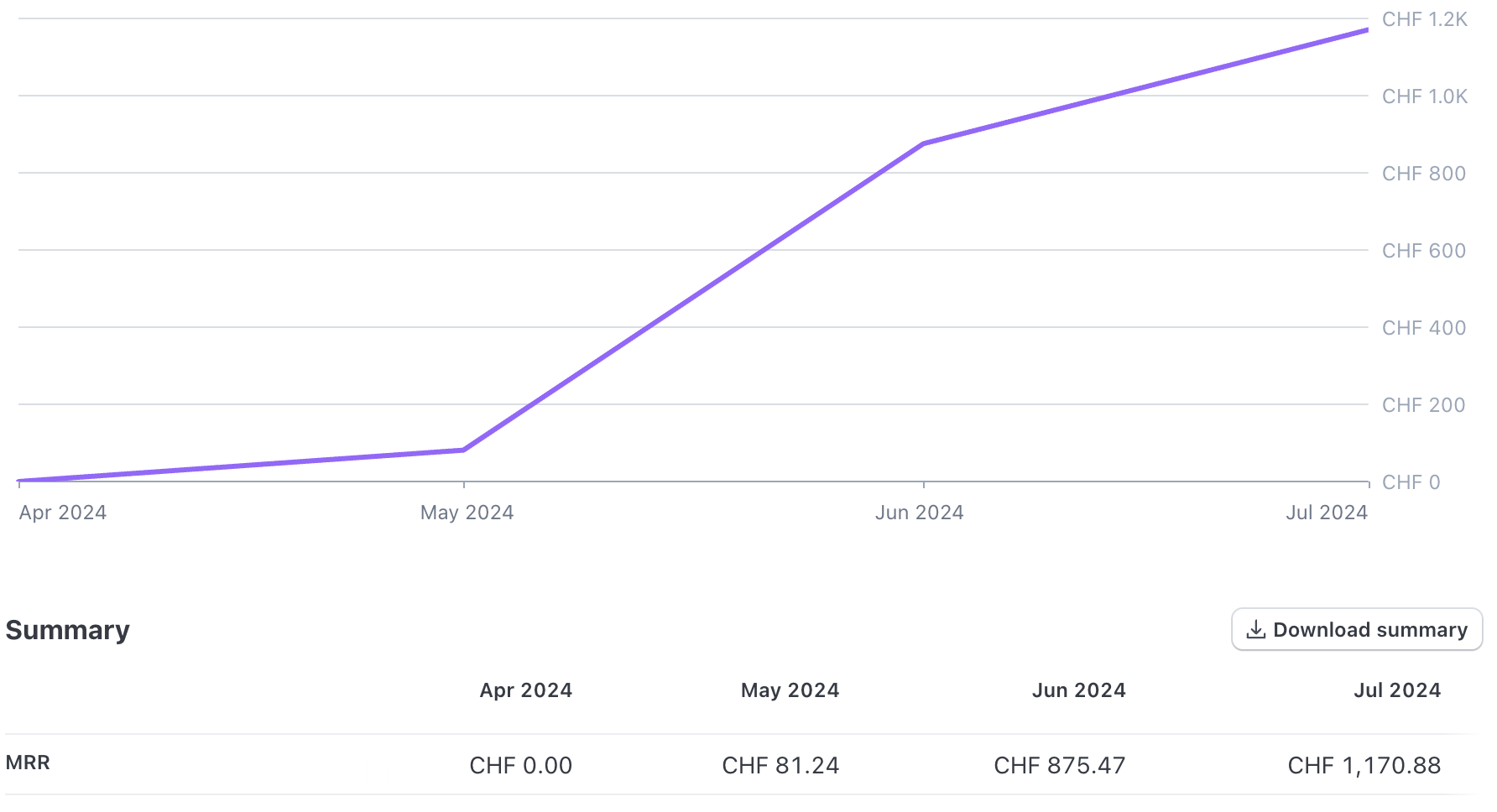
We reached 1K MRR quite quickly (first three months until switching to Paddle)
How did you build the initial version of SEOJuice?
Vadim Kravcenko built the initial version of SEOJuice as a frustration project, starting with a basic HTML frontend and a python backend. The first prototype was focused on automating SEO optimizations like internal linking and image metadata. He avoided meddling with the database by using a separate backend and a JS snippet to analyze content and suggest links. The first version was built in a short timeframe for one user, lacking polish and onboarding but it worked. The experience of building it was challenging, as Vadim had to test different approaches before finding the right solution.
How did you launch SEOJuice and get initial traction?
About seven months after I launched the service in May, Lida Stepul joined as co-founder. She's the one who really started telling the world that we were running a real business.
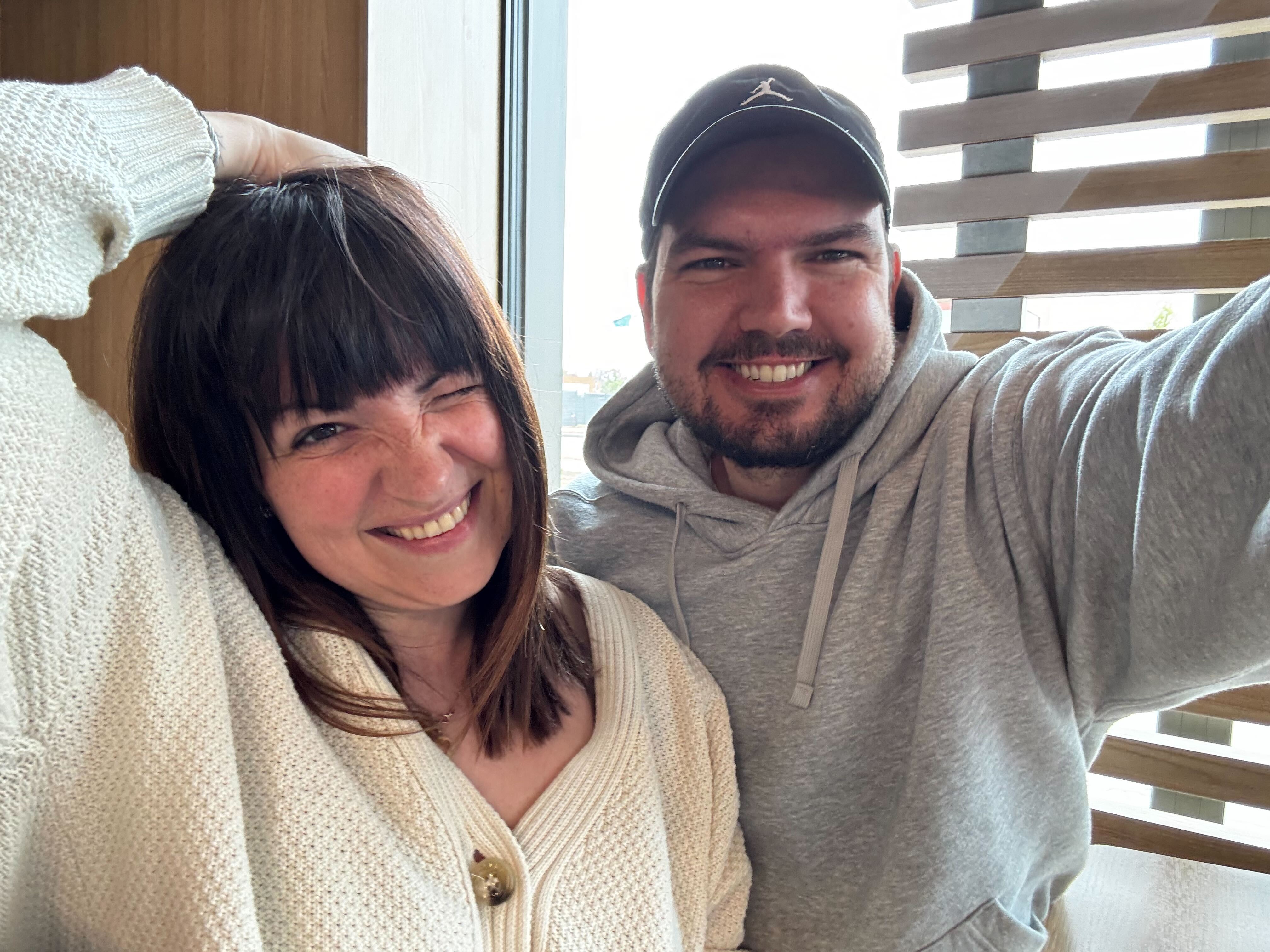
Lida and Vadim
She came from a completely different background — she’d been running a home bakery and had zero exposure to SEO — but that turned out to be an asset. Once she joined, we started working on marketing the product, clarified what we were actually selling, and focused our messaging on the people who just wanted their DIY SEO handled — without a steep learning curve. That shift helped us move from a functional tool to something people understood, trusted, and were willing to pay (more) for.
I, as many, underestimated, how much marketing really matters, even now, it's not enough to have a good product, you have to yell about it for people to see and use.
What was the growth strategy for SEOJuice and how did you scale?
We’ve tested the usual suspects: Google Ads, Social, niche communities. Some brought clicks, fewer brought qualified users. Google ads are what worked well during the initial 6 months, but now we see more conversions from newsletters or just referrals (from our affiliate program).
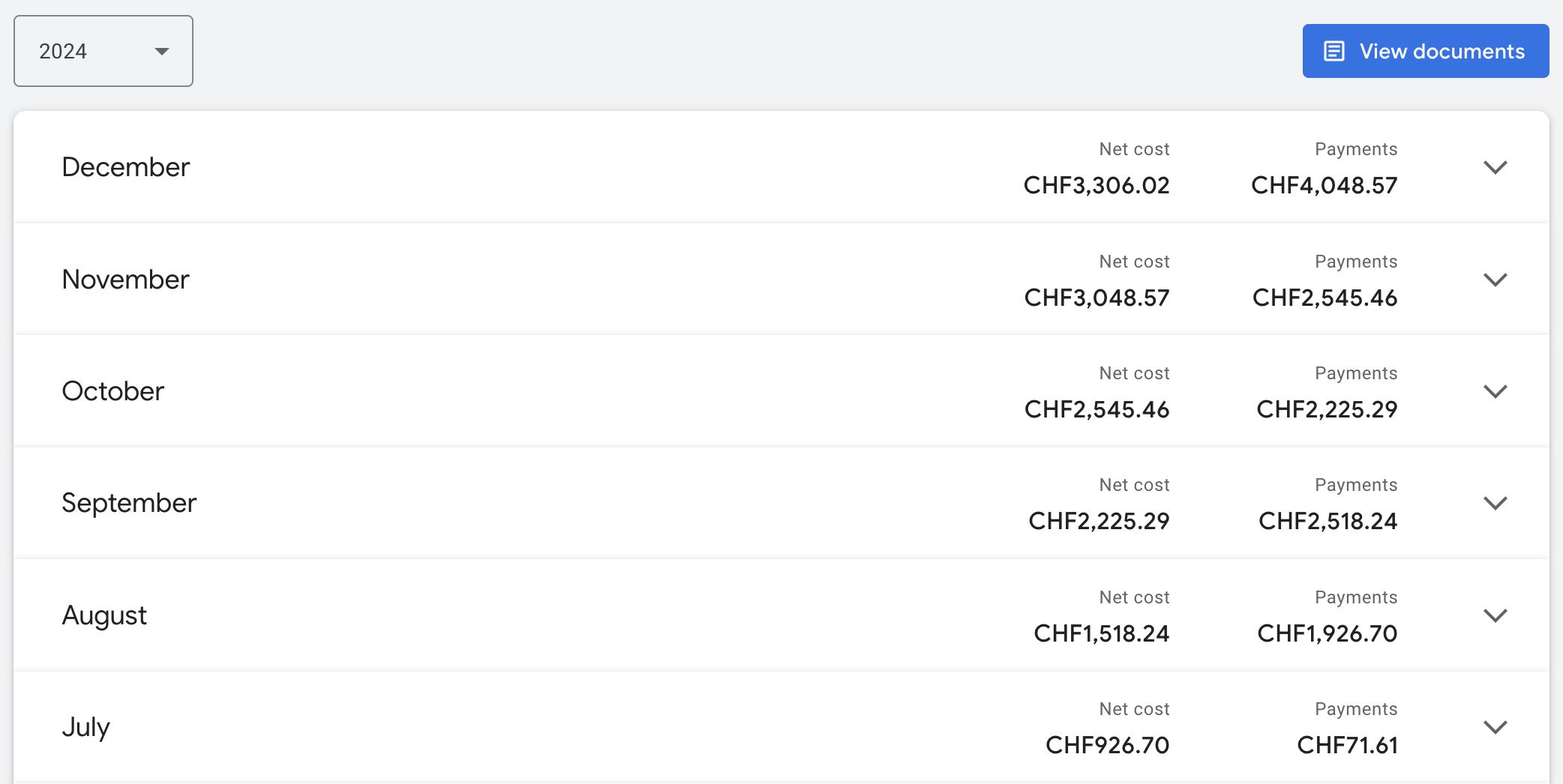
We've wasted so much money on google ads without really knowing what we were doing, but at least now we know how NOT to do ad campaigns.
I, Vadim, also tried doing building in public on Twitter (now X), but I didn't have much time for this, as I'm still working my main job and being present on social media is a huge effort that many people underestimate.
Right now, our best channel (in terms of quality of customers it attracts) is word of mouth. Referred people stay for longer and choose higher plans. Second best channel that's working for us is Reddit and Social Media. It does take a lot out of Lida's working day — but it's well worth it.
One thing we learned early: retention comes from showing users exactly what’s being done, and why it matters.
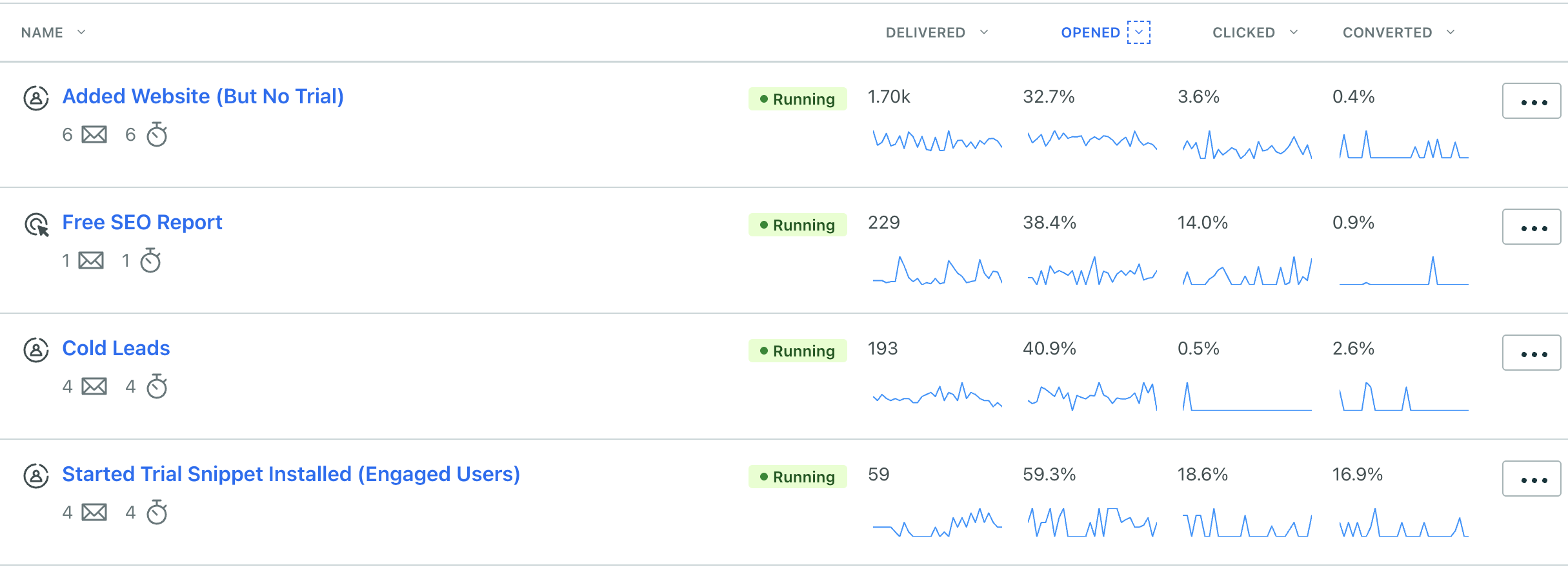
We have Customer.io campaigns, that educate users and try to keep them engaged
SEOJuice delivers two types of reports. The first shows what our tool has already taken care of: internal links added, on-page optimizations performed, accessibility improved. This builds trust. Users can see that real work is being done behind the scenes. We also convert that number into hours saved and money saved, so people see a quantified version of what they’re getting.
The second is a broader SEO audit. A clear action plan highlighting what still needs attention. It covers everything from content gaps to technical issues. We don’t dump data — here do it yourselves. We prioritize it and show it in a way that users can sustainably improve their website over time.
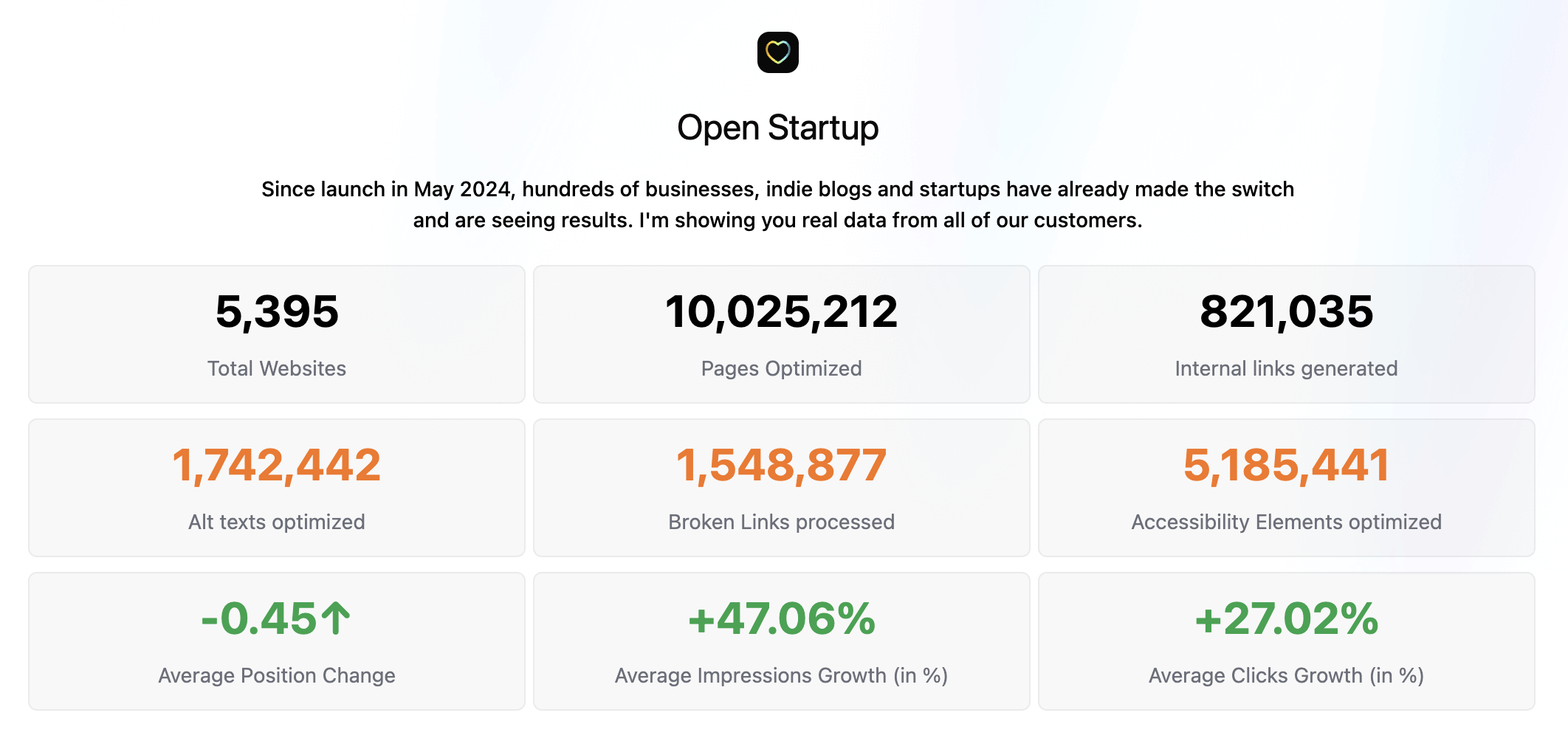
We've recently celebrated 10 million optimized pages
Competitor tracking turned out to be another strong hook. Users love seeing where they’re falling short and what similar sites are doing to rank. For each competitor, you get tailored recommendations: what content to create, which keywords to target, where to improve internal links, and how to fix issues.
What were the biggest lessons learned from building SEOJuice?
I don't have any "wisdom" or advice for other founders. We're working every day to improve the product and listening to what our clients want (and especially stuff they don't want)
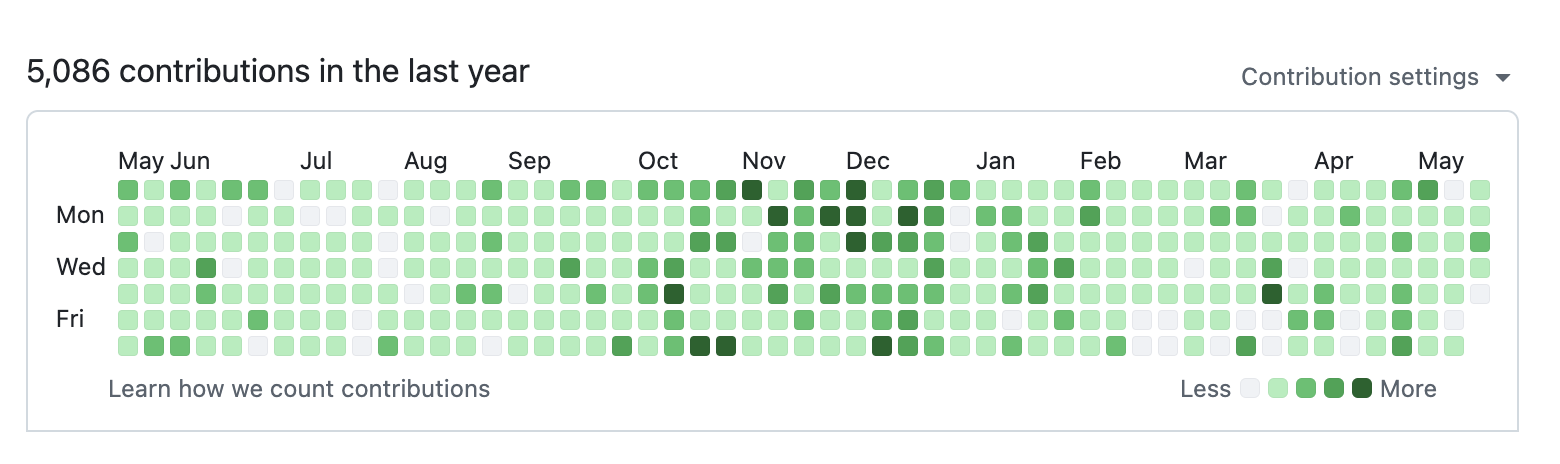
Every day moving the needle forward
Right now, churn is the top challenge. Users have an existing website, they come in, get optimizations, but some don’t stick. But those are usually the smaller websites, we’re still trying to nail down our ICP and find product market fit, we’re close but not there yet. As we see it right now, bigger clients (50K plus pages) are the ones that stick with us the longest and want to continue paying.
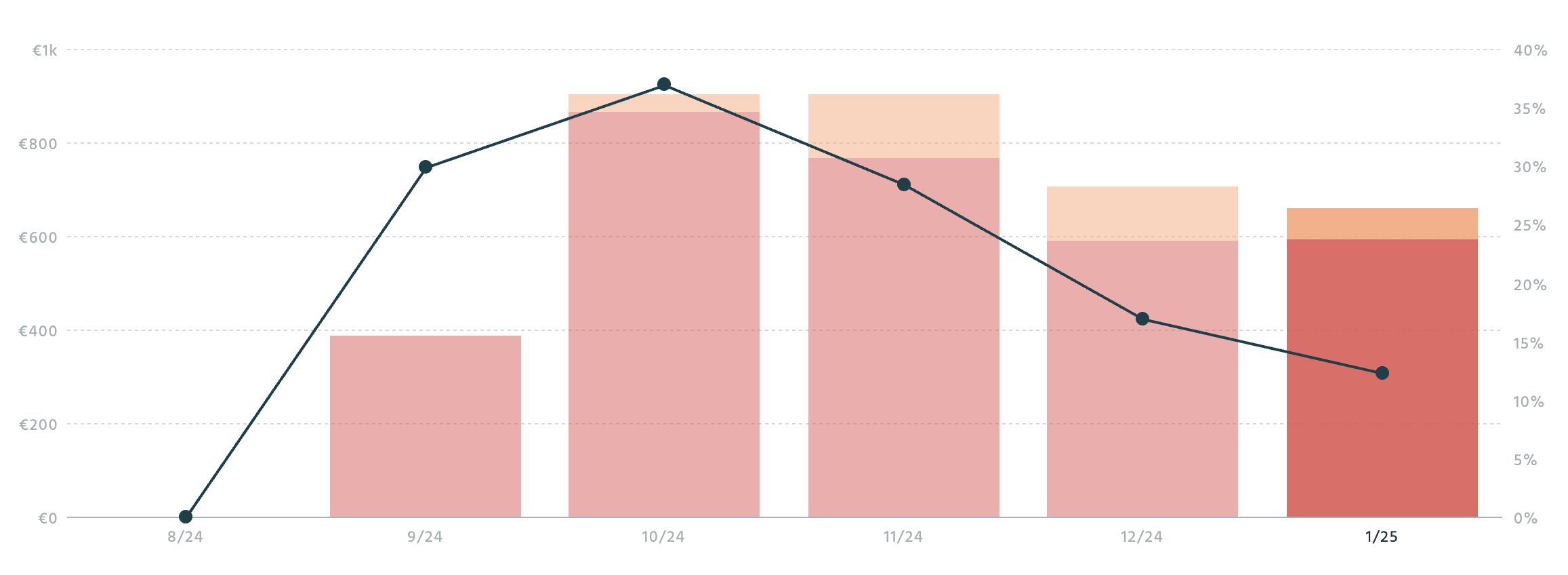
We're getting lower by educating people of what value we bring.
We’re also working on making the product feel more indispensable, surfacing value sooner, and staying top-of-mind without being noisy. We’re still hovering around 10% churn though, and this is our main challenge for 2025 — find product market fit so we serve only those customers who stay with us long-term, rather than those who’re looking for a silver bullet.
Most of our best decisions came from listening to people mid-rant, those that churned or disliked the service. Even though it might not be pleasant to hear that your tools is not solving the users problem, it gives great insights.
If people leave, it’s not personal, but it is a signal. Message them. Ask what didn’t click. We write to everyone personally to ask what went wrong and to schedule a session to discuss what the expectations were. Most won’t respond, but the ones who do will save you weeks of guessing.
Avoid the trap of building features just because competitors have them. We’ve scrapped ideas that were technically impressive but added zero value to the user.
In short: we’ve built something people like, but now we’re learning how to get the right people to try it, and give them a reason to keep coming back.
What platform/tools does SEOJuice use?
Discover Similar Business Ideas Like SEOJuice







More about SEOJuice:
Who is the owner of SEOJuice?
Vadim Kravcenko is the founder of SEOJuice.
When did Vadim Kravcenko start SEOJuice?
2024
How much money has Vadim Kravcenko made from SEOJuice?
Vadim Kravcenko started the business in 2024, and currently makes an average of $96K/year.
More Case Studies Like This




Starter Story × HubSpot
Free tools for every part of your business.
Find customers, win deals, and automate the busywork with HubSpot's free tools.