How I Built A Fitness RPG App Making $800/Month By Turning Push-Ups Into Battles
Who are you and what business did you start?
I’m Yerasyl Amanbek, an independent developer from Kazakhstan and the founder of Pushup RPG, a fitness game for iOS and Android. I’m building it for people who enjoy gaming but struggle to make exercise a habit.
Your phone’s camera counts real pushups and squats, turning each rep into an attack. Players fight monsters, collect loot and challenge friends through actual exercise. My goal is to make doing one more rep feel as rewarding as reaching the next level in a game. In August 2026, the iOS and Android app alone generated around $2,000 in revenue.

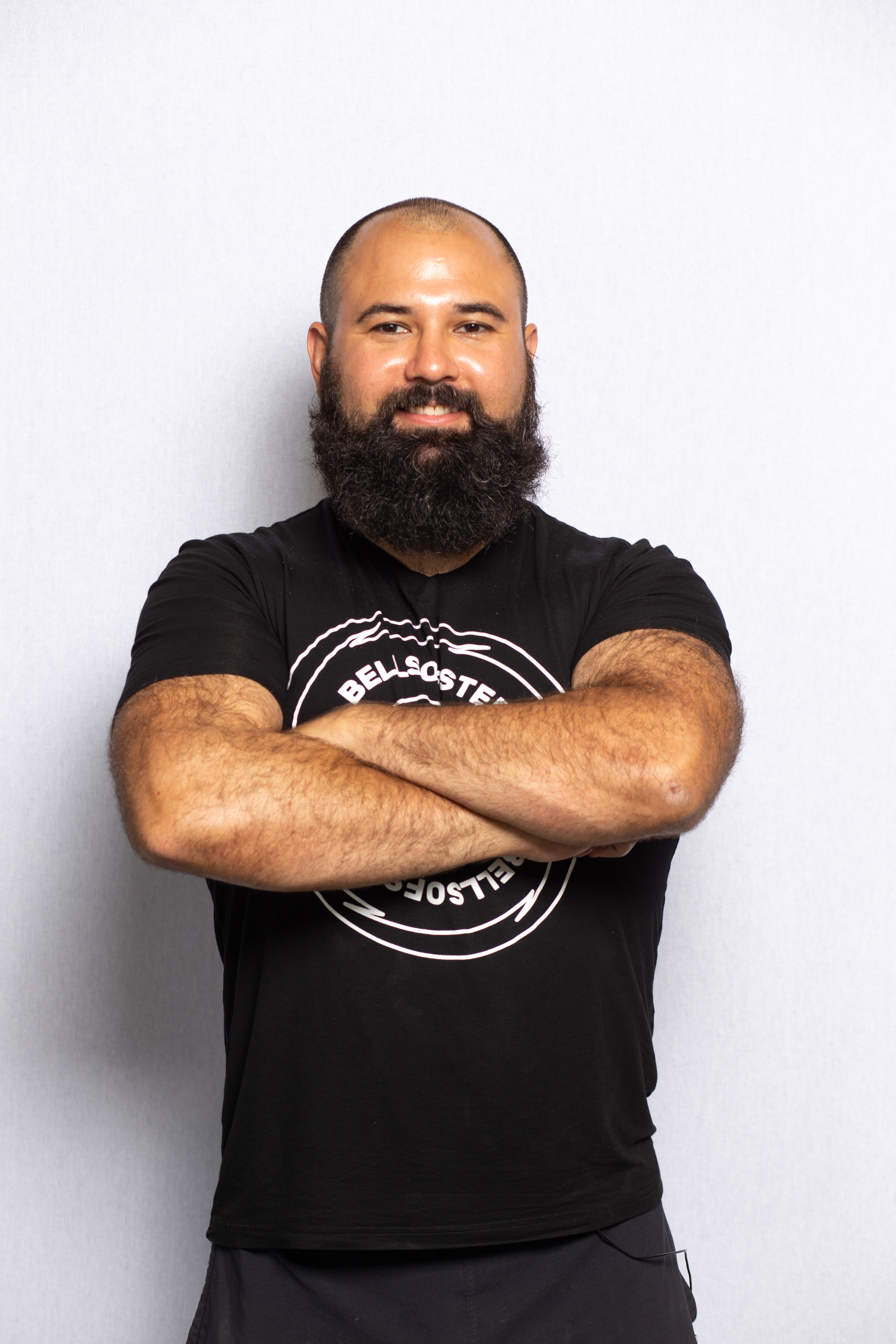
My image
How do you come up with the idea for pushup.quest?
I wanted to bring the motivation of RPGs into exercise: clear goals, visible progress and a reason to return. The central idea was simple: make a real pushup the attack button. My software engineering background helped me build the camera tracking and gameplay myself. Compared with my work on blockchain infrastructure, this was a product people could immediately understand and try.
I tested the idea by releasing the app and listening to players. One reviewer reported improving from five pushups to 26. Others paid for memberships. Those were encouraging signs that people found value in what I’d built.
How did you build the initial version of pushup.quest?
Yerasyl Amanbek built the Pushup RPG app using his software engineering expertise, primarily developing the camera tracking and game mechanics himself over a period of about six months. He utilized a tech stack that included iOS and Android platforms, likely employing tools such as Unity or similar game development software to create an engaging user experience. The first prototype was a basic app that demonstrated the core functionality: counting pushups and converting them into in-game actions, which was tested rigorously against various devices and environments to ensure reliability.
During the building phase, Yerasyl faced challenges particularly related to accurate rep counting, which required extensive testing across different smartphones and lighting conditions to address user-reported issues. This iterative process of manufacturing and refining the app was harder than anticipated, but the positive feedback from early users who saw improvements in their fitness motivated Yerasyl to persist with the development.
How did you launch pushup.quest and get initial traction?
I launched Pushup RPG on iOS on June 25, 2026, and later released it on Android. I promoted it through Apple Search Ads and gameplay videos on TikTok and Instagram. Some clips eventually passed two million views.
Players told me the battles made exercise more enjoyable, but they also reported missed reps and requested more languages. That feedback shaped my updates. I earned revenue through optional in-app purchases. My biggest lesson was how much the experience depends on reliable rep counting. I’d keep showing real gameplay, while spending more time testing different devices before expanding promotion.
What was the growth strategy for pushup.quest and how did you scale?
I’ve focused on short gameplay videos, Apple Search Ads and improving how people discover Pushup RPG in the app stores.
On TikTok and Instagram, I show myself doing pushups while fighting monsters or competing against another player. The exercise, rep counter and battle are visible together, so viewers can understand the idea without a long explanation. I’ve also made a daily 100-pushup series. Some of my gameplay videos have passed two million views.
A useful format has been the head-to-head duel: viewers have a reason to watch because they want to see who wins, and they see how the app works along the way. That’s the approach I keep coming back to when making content.
For paid acquisition, I use Apple Search Ads and group campaigns by country or region so I can compare acquisition costs and adjust budgets. I’ve also experimented with the app’s title, subtitle and keywords to make its purpose clearer to people searching for pushup counters and workout games.
For longer-term discovery, I publish pushup guides on the website and have submitted the app to directories including SaaSHub, Launch Llama and F6S. I’m still evaluating those efforts.
My advice is to find a simple way to demonstrate your product’s value. Then track what happens after someone watches or clicks: installs, actual usage and purchases. Views are useful, but they’re only part of the picture.
What were the biggest lessons learned from building pushup.quest?
Building the app was only part of the job. I also had to learn customer acquisition, app-store operations and support. One difficult lesson came from rep-counting updates: users reported problems that weren’t obvious on my own device. Testing across different phones, lighting conditions and movement speeds matters enormously.
My engineering background helps me ship quickly, but customer feedback helps me decide what deserves that effort. Keeping the core workout free lets people experience the game before paying. My advice is to protect the interaction your product depends on, take recurring complaints seriously, and make time for distribution alongside development.
Discover Similar Business Ideas Like pushup.quest






More about pushup.quest:
Who is the owner of pushup.quest?
Yerasyl is the founder of pushup.quest.
When did Yerasyl start pushup.quest?
2026
How much money has Yerasyl made from pushup.quest?
Yerasyl started the business in 2026, and currently makes an average of $9.6K/year.
More Case Studies Like This




Starter Story × HubSpot
Free tools for every part of your business.
Find customers, win deals, and automate the busywork with HubSpot's free tools.