How I Built A $60K/Month All-In-One AI Creative Workspace With No Coding Background
Who are you and what business did you start?
Hi! I'm Zohar Vanunu, the founder of Kolbo.AI. For six years I was a director, editor and 3D artist, completely self-taught, working with clients abroad. When generative AI turned that craft into a commodity almost overnight, I decided to build the tool instead of fighting it. I had zero programming background, so I taught myself to build software from scratch.
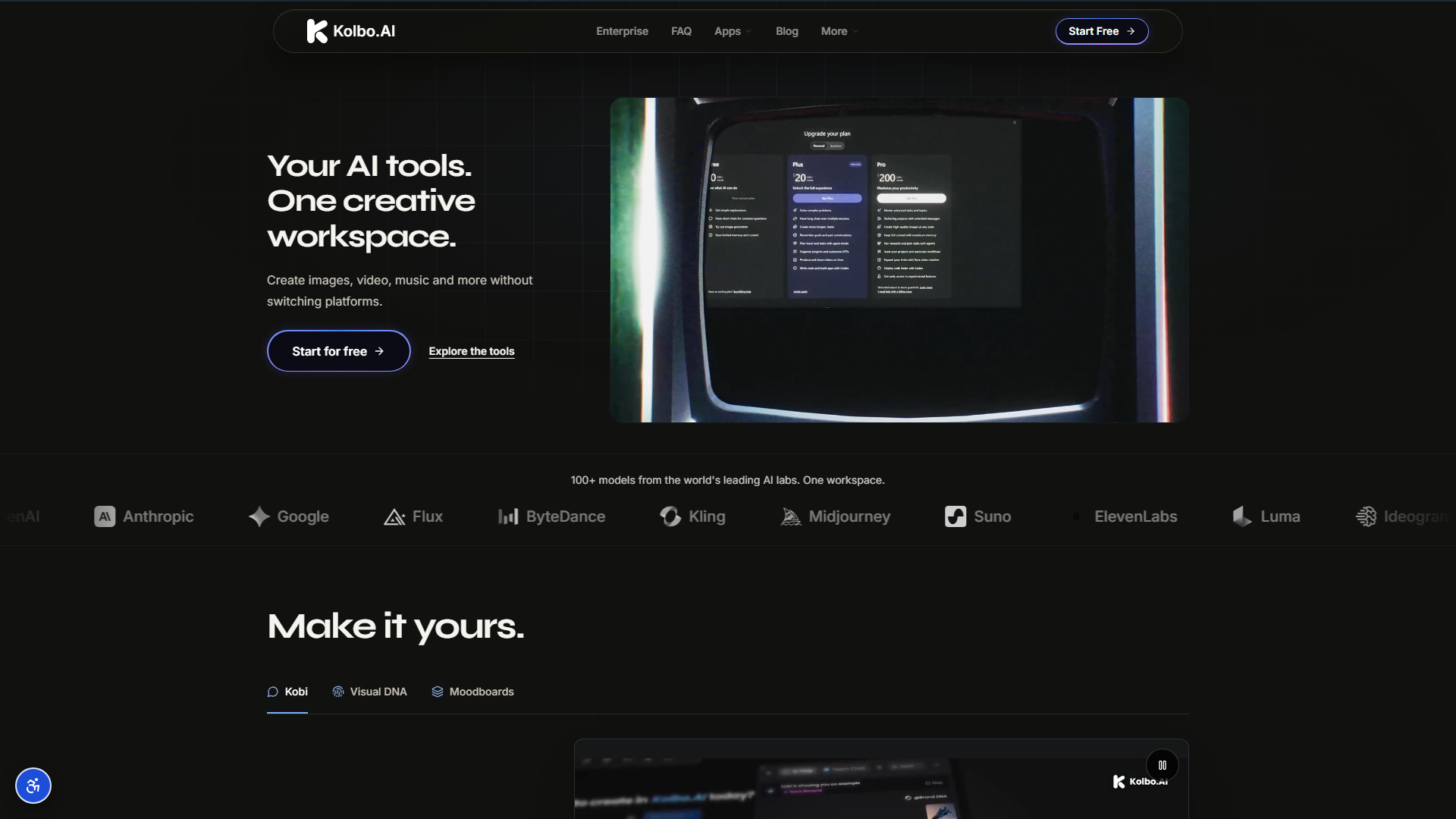
Kolbo.AI is one creative workspace with every leading AI image, video, audio and chat model. Our customers are creators, small studios and marketing teams who were juggling ten different AI subscriptions. What makes it different is that it was built by a filmmaker, for people who make things: projects, agents, consistent characters and shared team credits, all in one place.
Today we bring in around $60K/month, about ten months after launch. I built it alone, with no outside funding and no paid ads.
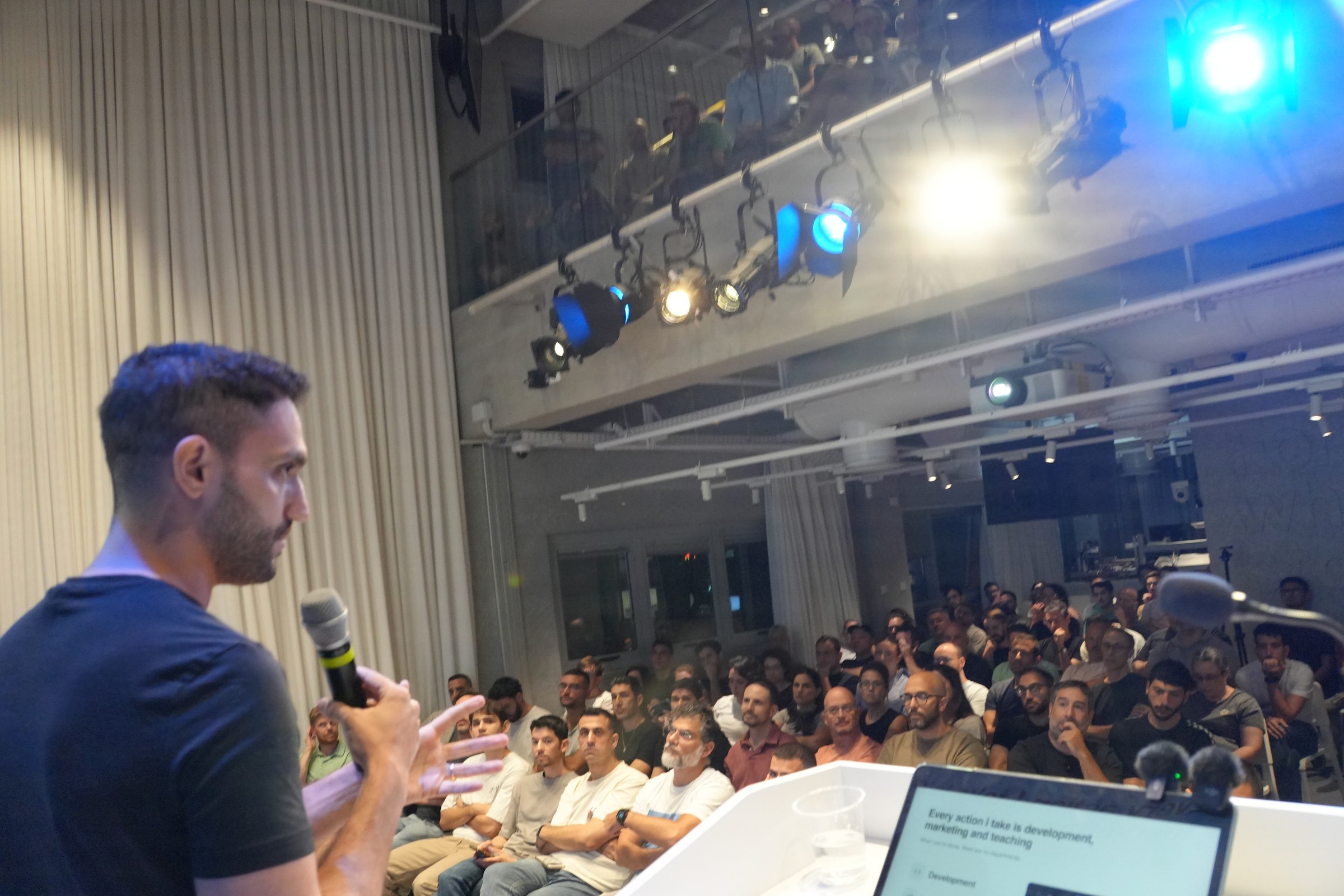
Speaking to a packed room of founders in Tel Aviv
How do you come up with the idea for Kolbo.AI?
The idea came from pain, not from a brainstorm. My aha moment was the first time I saw a Midjourney image. I looked at it and knew that the work I had spent years learning, lighting, 3D, compositing, had just become something anyone could get in seconds. Within months my creative work dried up.
I had two options: fight it or build with it. I chose to build. As a filmmaker I was already using a dozen different AI tools, each with its own subscription, its own credits and its own interface, and none of them talked to each other. I wanted one place where I could write, generate an image, turn it into video, add music and voice, and keep the whole project together. That became Kolbo.AI.
My background is exactly the customer: a self-taught creator who needs results, not technology. I validated it the simplest way I knew. I made things with it, posted them, and showed people how I made them. When people started paying to do the same, I knew it was real.
How did you build the initial version of Kolbo.AI?
Zohar had zero programming background, so he taught himself to build software from scratch, drawing on six years of self-taught work as a director, editor and 3D artist. He built the platform alone, with no outside funding and no team. It was designed around his own filmmaking workflow: writing, generating images, turning them into video, adding music and voice, and keeping projects, consistent characters and shared team credits in one place. The sources don't specify the tech stack, the tools he used, the prototype process, or how long the first version took.
How did you launch Kolbo.AI and get initial traction?
There was no big launch day. I didn't have a marketing budget or a team, so I launched the only way I could: I made things with Kolbo, posted the results, and then showed exactly how I made them. People who watched me create with AI asked which tools I used, and the answer was my own platform. My first customers were creators who wanted to make the same things I was making.
The lesson: people don't buy an AI platform, they buy the result they just saw. I would launch the same way again, but I would start teaching on day one instead of waiting until the product felt ready.
What was the growth strategy for Kolbo.AI and how did you scale?
Everything has been organic. No ads, no sales team. One loop does almost all the work, and I call it "show, then teach":
- Make something people actually want to watch, using your own product.
- Post only the result. No pitch, no feature list.
- Right after, teach exactly how you made it, with the files open.
The best example is my AI series of "phone footage from the Bible": moments everyone knows, like the sea splitting, shot as if someone was standing there with a phone. In 30 days it did 59M views on my Instagram and brought 200K+ new followers across my account and Kolbo's.
Here's the part nobody talks about: the views made almost no money. What changed everything was one tutorial. I posted an English video showing exactly how I made the series, and I opened the entire project on Kolbo, every prompt, every image and every video take, for anyone to copy. On the day that tutorial went live, signups from outside Israel jumped 6.5x. Over the next three weeks, 3,285 people from abroad signed up, 78% of all new signups.
Why it works: virality gets attention, but a tutorial gives people a reason to act. And giving away the recipe builds more trust than any ad.
The second channel is affiliates. Customers who run the same loop on their own audiences earn a share of what they bring in. One of them brought in more than $30K on his own.
My advice: stop selling and start teaching. Whatever you build, show what it can do, then show exactly how you did it.
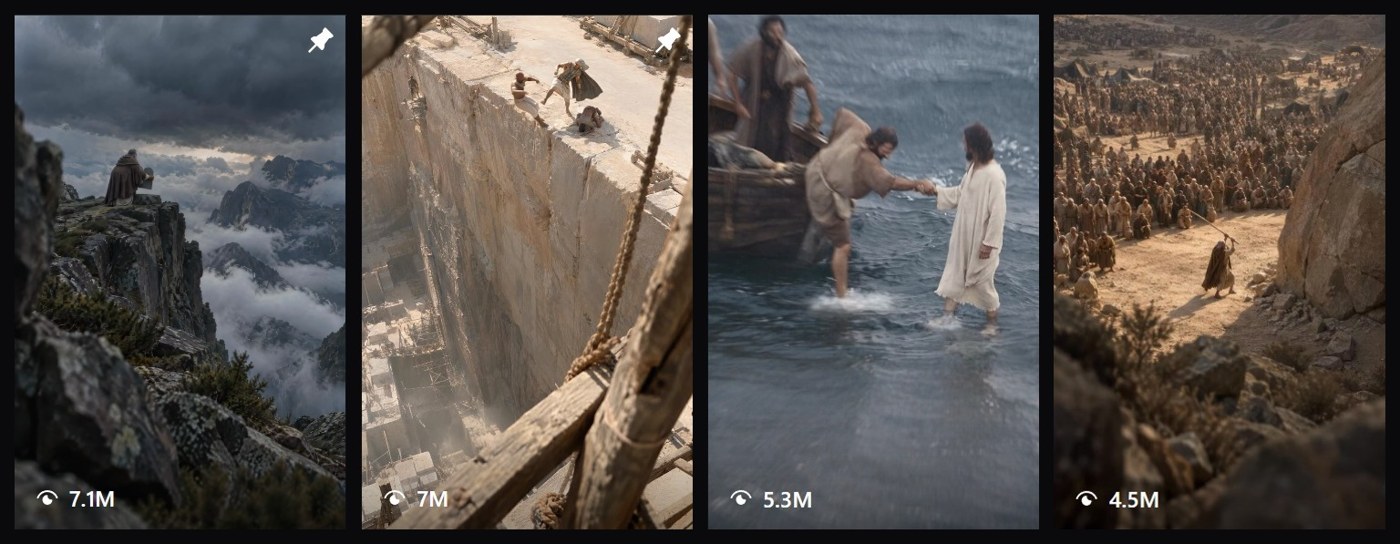
Top episodes of the AI Bible series
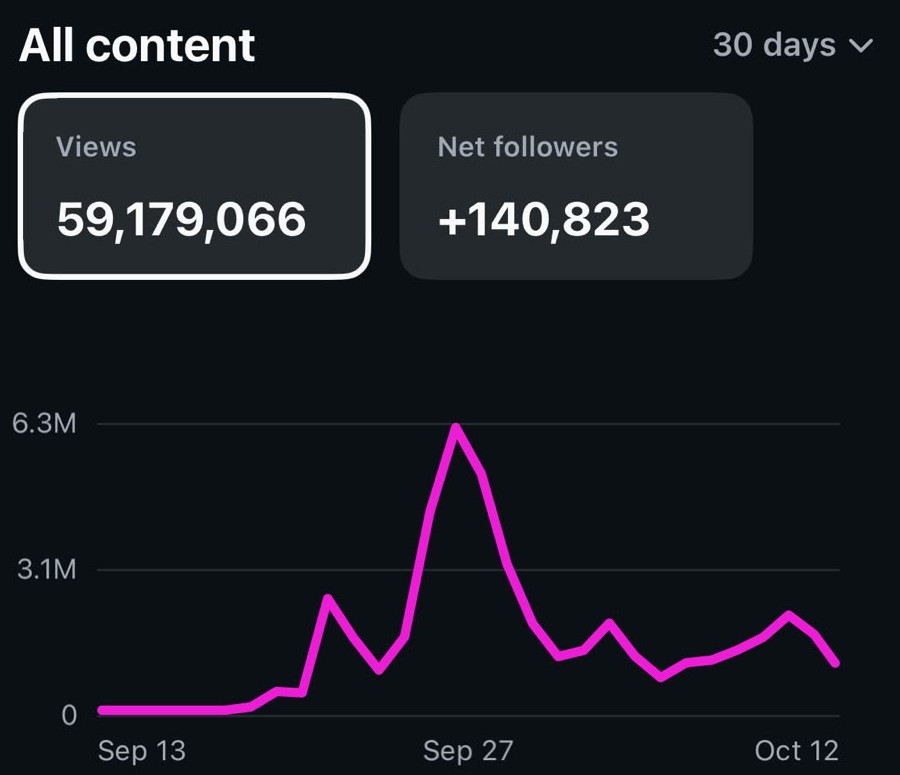
Instagram Insights: 59M views in 30 days
What were the biggest lessons learned from building Kolbo.AI?
My biggest mistake was thinking virality is a business. Millions of views felt like success, but they barely moved revenue until I gave people a reason to act. Virality is the door. The tutorial is what people walk through.
The best decision I made was to give away my recipe. Opening the whole project, every prompt and every generation, brought more customers than anything I could have hidden.
Timing helped too: AI video got good enough this year that one person can make something millions of people watch.
My top tip, especially if you think you're not technical: you don't need permission or a degree. I had zero programming background. Learn in public, ship, and teach what you learn.
Discover Similar Business Ideas Like Kolbo.AI






More about Kolbo.AI:
Who is the owner of Kolbo.AI?
Zohar Vanunu is the founder of Kolbo.AI.
When did Zohar Vanunu start Kolbo.AI?
2025
How much money has Zohar Vanunu made from Kolbo.AI?
Zohar Vanunu started the business in 2025, and currently makes an average of $720K/year.
More Case Studies Like This


Starter Story × HubSpot
Free tools for every part of your business.
Find customers, win deals, and automate the busywork with HubSpot's free tools.