How I Built A $250K/Month App For Managing And Valuing Wine Collections
Who are you and what business did you start?
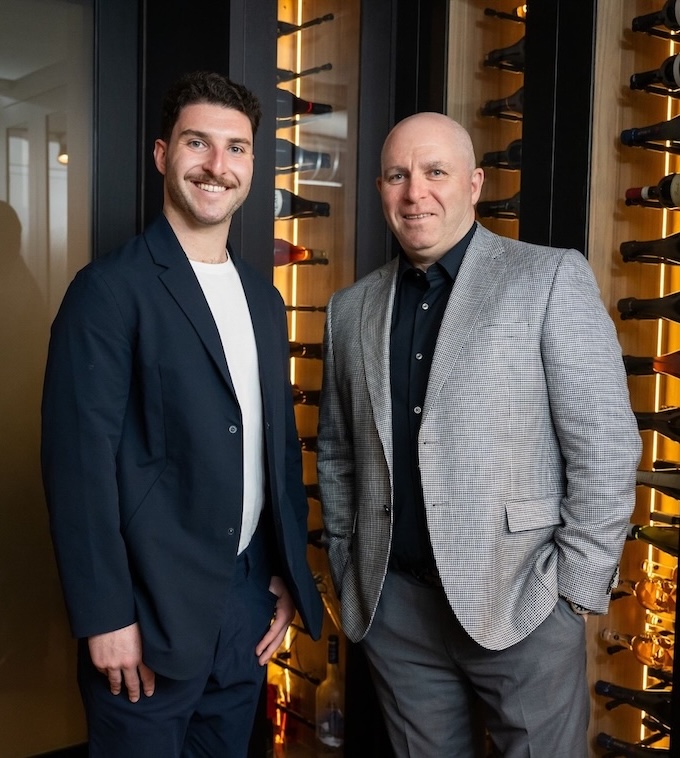
Hey! I’m Josh Daiter, co-founder and CEO of InVintory, the #1 app for wine collectors. I started it in 2018 with my dad Jeff after he smashed a bottle of Caymus while hunting for it in his cellar. I built the first version on a family vacation just to catalog his wines.
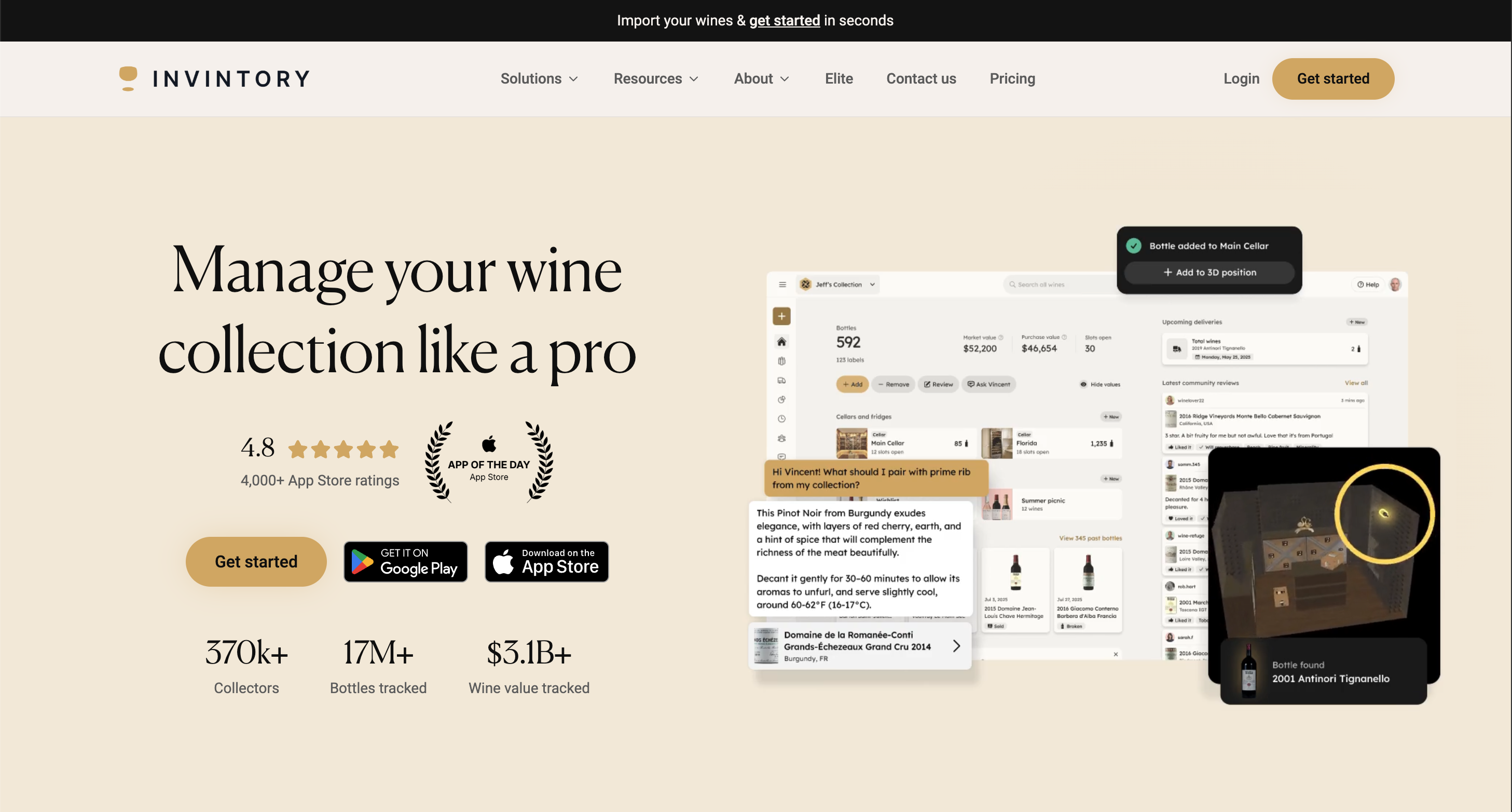
Today about 500K collectors use InVintory to manage over $3B in wine, from a single wine fridge to 10,000+ bottle cellars. What sets us apart is a sommelier-curated database of 2M+ wines, a 3D replica of your cellar so you can find any bottle instantly, and Vincent, our AI sommelier.
Today we bring in around $250K/month.
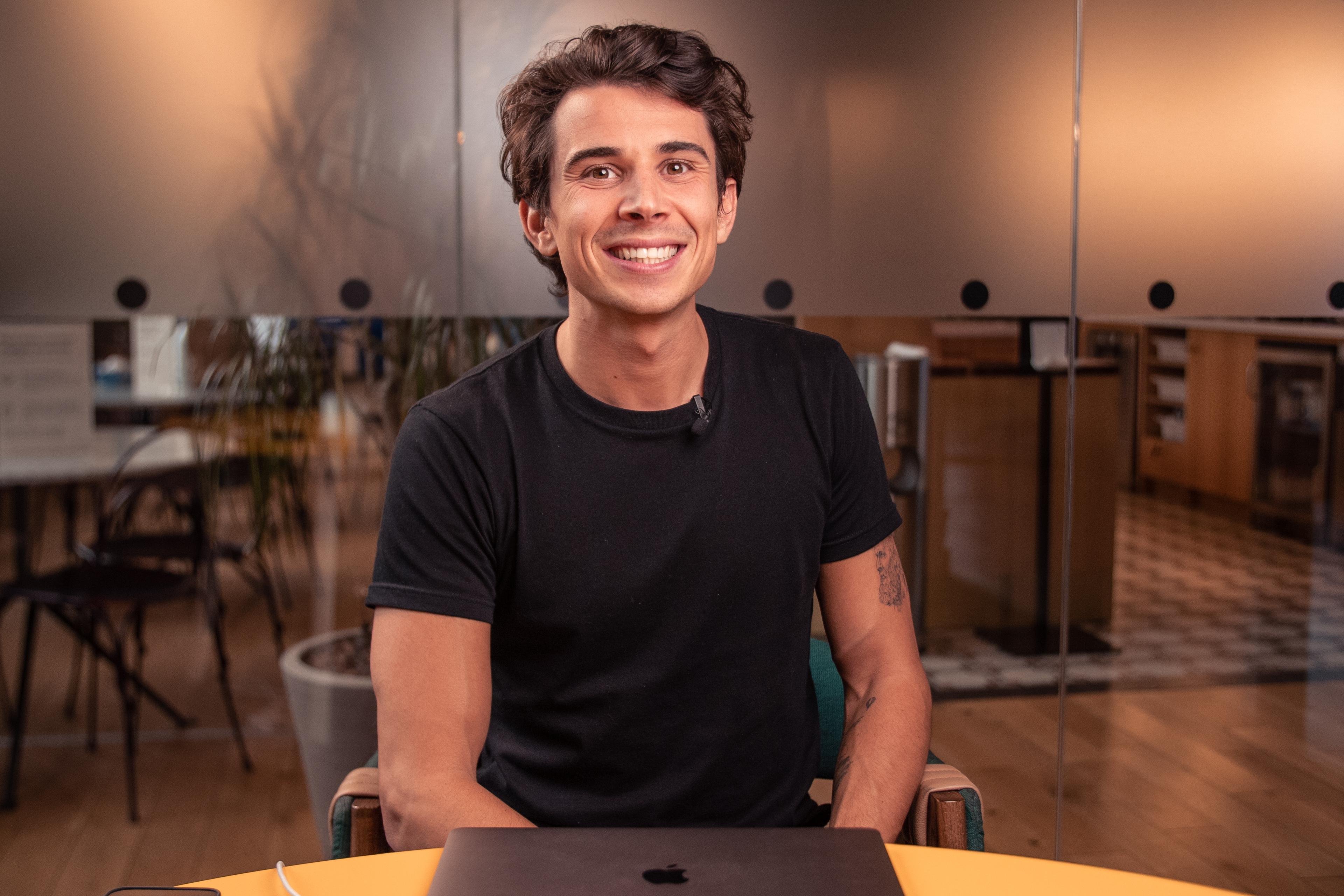
My image
How do you come up with the idea for InVintory?
The idea was my dad’s. Jeff is a serious collector who’d tried every cellar app out there, and none of them could tell him where his wine actually was. It came to a head the night he smashed a bottle of Caymus looking for it.
Honestly, I didn’t believe in it at first. I was a university student who knew nothing about wine. I’d caught the startup bug with Skipp, an app for skipping lines at bars, but this solved a real problem without depending on a bunch of venues. Dad knew wine collecting inside out. I’m an engineer who studied AI and knew how to build great UX.
The first version did one thing: log every bottle and show you exactly which rack and slot it’s in. We tested willingness to pay from day one with a free tier and a paid tier, then (kind of stupidly) put 15k of ads behind it one summer. It caught on. Our first paying customer gave us about $50 for unlimited bottles.
My aha moment came around 2022. The emails kept coming, NBA players and business leaders were using it, and one night over a bottle with my dad it hit me: people really care about this. By the end of 2023 we had 22,500 monthly active users, paid users cost us $79 to acquire and paid that back within 10 months, and our paywall converted at roughly twice the typical app.
How did you launch InVintory and get initial traction?
We launched with a big paid push on Facebook, Instagram and Google. The ads were simple: “Can’t find your wine? Start tracking with InVintory.” Back then Vivino was the only one advertising, and they were selling wine, not cellar management, so we had the lane to ourselves. In the year to May 2023 we spent about $240K on marketing, and revenue nearly doubled the year after. People loved it. They wrote us literal essays on how to make it better, which let us iterate fast.
Our first sale came a couple weeks after launching on the App Store. That $50 unlimited-bottles plan became Prestige, our paid tier.
The big lesson: we spent too long perfecting the product before the business model, and pricing took years to settle. Two reasons. We kept adding features instead of testing price, and annual subscribers renew at the price they first paid, so any change takes a full year to show up in revenue. When we finally tested properly, $149.99 a year beat $124.99: 10.9% conversion vs 7.1%. Charging more converted better. If I did it again, I’d obsess over time to first dollar and test price from week one.
It also taught me a lot about myself. Early on we just threw money at the problem. Now I live in cohorts and unit economics, and I know which numbers actually matter: CAC, payback and renewal rate.
What was the growth strategy for InVintory and how did you scale?
Our main growth channel is Meta. We spend about $81K a month on ads: 80% Meta, 17% Apple Search Ads, 3% Google. Our blended CAC is about $80, and a new subscriber’s predicted two-year value is $225-270, roughly 3x what we pay to get them.
What made it work was building a creative machine. Our best ad ever was a concept called “The $400 Mistake,” about what it costs to lose track of a great bottle. It carried about 31% of our Meta spend, and that was also the problem. As it wore out, costs climbed, and our agency couldn’t make new concepts fast enough. So we ended the agency and moved all creative in-house using AI. Now we make many versions a week, test each on a small budget, kill the losers fast and only scale winners. Our best international ads run $31-46 per trial vs $118 in the US, and a new global campaign is testing at $28.
The real unlock was pairing organic with paid. We started posting reels of people using Vincent, our AI sommelier. Three went viral with over 1M views each, and that attention created a halo on our ads. People had already seen us in their feed, so they converted better. It worked because the product is visual and Vincent is fun to watch. Someone asking an AI what to drink tonight is just shareable.
We also moved buyers off Apple. Stripe web checkout now handles 40% of revenue, up from 17%. Apple takes 15-30%, Stripe about 3%, and Stripe subscribers renew at about 91% vs 62-65% on the App Store.
The result: MRR doubled year over year and we’re at 15,900 paying subscribers.
My advice: your bottleneck is probably creative, not budget. Make a lot of ads, test them cheaply, and know your CAC and payback before you scale anything.
What were the biggest lessons learned from building InVintory?
My most expensive mistake was believing more spend meant more growth. In March and April we pushed ads to $93-123K a month and CAC jumped to $148-187, nearly double our normal. When we pulled back over the summer, CAC dropped and growth barely slowed. The last dollars are always the most expensive. Find that ceiling before you blow through it.
Second mistake: launching a test without checking what happens after the click. Our first web trial test generated about 9,000 trials, and almost none paid. We fixed the flow, and Stripe hit record months right after: 356 new paid subscribers in July, 419 in August.
Some things went our way too. The AI wave hit right as we launched Vincent, and it gave us a story people wanted to share. Vincent messages are up 6.7x year over year. AI also changed how we build. 60-80% of our code is now written with AI, and the same team of about eight shipped more this quarter than ever.
My top tips: test the scary thing, because our higher price converted better. Watch for one ad or one channel carrying your whole business. And don’t be afraid to start something you don’t fully believe in yet. I didn’t, and it became my life’s work.
Discover Similar Business Ideas Like InVintory





More about InVintory:
Who is the owner of InVintory?
Josh Daiter is the founder of InVintory.
When did Josh Daiter start InVintory?
2018
How much money has Josh Daiter made from InVintory?
Josh Daiter started the business in 2018, and currently makes an average of $3M/year.
More Case Studies Like This




Starter Story × HubSpot
Free tools for every part of your business.
Find customers, win deals, and automate the busywork with HubSpot's free tools.