How Timothy Bramlett Bootstrapped Stammer.ai to Hundreds of Paying Customers in Weeks

Who is Timothy Bramlett?
Timothy Bramlett, co-founder of Stammer.AI, began his career as a senior software engineer before transitioning into product management; originally from the United States, he later moved to California in 2023 to focus on entrepreneurial ventures alongside Ross Fledderjohn.
What problem does Stammer.AI solve?
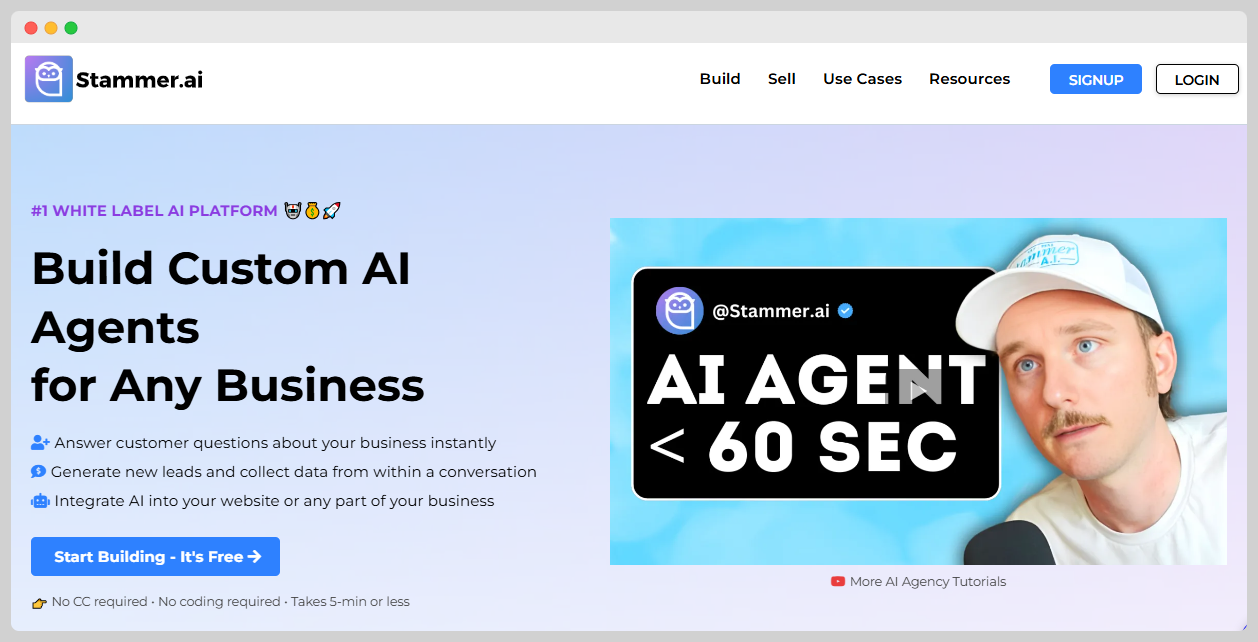
Stammer.AI helps agencies offer customized AI solutions to their clients, solving the problem of needing specialized tech without the hassle of in-house development.
How did Timothy come up with the idea for Stammer.AI?
The idea for Stammer.AI was born from the experiences of its founders, who faced constraints in traditional product management roles and frustrations with existing AI tools. Observing that many business owners were interested in AI but lacked the skills or resources to customize and implement it, they saw an opportunity. Inspired by Ross’s expertise in digital marketing and web development, and influenced by the potential seen in OpenAI's ChatGPT, the founders envisioned a platform where agencies could easily white-label AI services.
They began by validating their concept through feedback from agency owners, rapidly developing a Minimum Viable Product (MVP) that allowed customers to test and provide insights. Real-world feedback was crucial, as it helped them refine their core offering by identifying bugs and improving functionality. The challenge was ensuring the platform was accessible and customizable, leading them to focus first on the foundation, such as custom domains and integration features.
The process taught them the importance of community-driven development and direct customer interaction. They overcame initial hurdles by being responsive to user needs, which not only validated their concept but also helped them build a product that resonated with their audience. Key lessons included the value of iterative development and listening to customer feedback to guide product enhancements.
How did Timothy Bramlett build the initial version of Stammer.AI?
Stammer.AI was built with a focus on creating a robust foundation for white labeling, enabling agencies to rebrand and customize the AI chatbot platform for their clients. The development process prioritized the integration of features like Stripe for seamless transactions and custom domains for a fully white-labeled experience. The initial MVP was ready by May 2023, and the team used valuable feedback from alpha users to iteratively squash bugs and enhance functionality, rapidly moving from concept to market.
Building the platform was a collaborative effort, involving community-driven development through active customer interaction, including feedback sessions, office hours, and a vibrant Discord community. Despite being challenging, with complexities in ensuring seamless white labeling capabilities, the initial development was completed in less than a year, resulting in a scalable product with high demand among agencies seeking AI solutions.
How did Timothy launch Stammer.AI and get initial traction?
Social Media Buzz
Before the official launch of Stammer.ai, co-founder Ross Fledderjohn began organically building interest by discussing AI topics in his videos and casually mentioning Stammer.ai. This attracted attention from various AI tool "experts," who then started promoting Stammer in their content. This created a viral effect, bringing in thousands of new users in a short amount of time.
Why it worked: The strategy capitalized on Ross’s existing audience and network, allowing the product to gain visibility within the relevant community. By leveraging influencers who trusted and followed Ross's insights, Stammer.ai quickly reached a broader audience eager to explore new AI solutions.
Early Adopter Engagement
Stammer.ai targeted agency owners, engaging them through free weekly office hours where they could ask questions, seek assistance, and share experiences. This direct interaction offered insights that were used to refine the product and encouraged agencies to start using and promoting the platform themselves.
Why it worked: Providing value and building community fostered trust and loyalty among early adopters. This personal touch helped generate word-of-mouth promotion as these agency owners shared their positive experiences with others in their networks.
White Label Incentive
A key part of Stammer.ai's initial appeal was its white-label capabilities, allowing agencies to rebrand the software and sell it to their own clients. This approach resonated well with agencies looking to incorporate AI offers into their portfolios without developing the tech from scratch.
Why it worked: With the white-label feature, agencies could easily add a new revenue stream, providing them with a compelling reason to promote and sell Stammer.ai to their clients, thus expanding the customer base rapidly.
What was the growth strategy for Stammer.AI and how did they scale?
Social Media and Viral Content
Stammer.AI gained significant traction through social media, particularly utilizing platforms like YouTube. Co-founder Ross Fledderjohn, with a background in web development and digital marketing, began creating videos discussing AI and casually mentioning Stammer. This sparked interest, causing AI tool "experts" to start promoting Stammer in their own content. This word-of-mouth promotion led to thousands of new users discovering and trying out Stammer.AI themselves.
Why it worked: Leveraging Ross's existing audience and the credibility of AI influencers brought instant visibility to Stammer. The viral aspect arose from tapping into the burgeoning interest in AI tools and automation, with the added credibility of organic mentions by recognized figures in the field.
White Labeling and Community Engagement
Stammer.AI's significant growth was also fueled by its commitment to community engagement and white-labeling practices. Agencies had the opportunity to rebrand and customize the tool to serve their specific clientele. This model not only attracted agencies looking to offer AI solutions but also encouraged deeper integration and reliance on Stammer.AI's capabilities.
Why it worked: The white-label approach catered to business owners eager to provide AI solutions without the hassle of developing them from scratch. It turned users into dedicated partners by intertwining their success with that of Stammer.AI. Additionally, regular office hours and an active Discord community provided continuous support and fostered a collaborative environment, enhancing customer loyalty and retention.
Weekly Office Hours and Community Building
Stammer.AI practiced an open-door policy with its weekly office hours, encouraging agency owners to engage directly with the team. This facilitated real-time feedback, troubleshooting, guidance, and contributed to an evolving platform shaped by user needs and insights.
Why it worked: Regular, direct interaction not only solidified customer relationships but also allowed Stammer.AI to iterate its product quickly based on actual user challenges and suggestions, thus improving the product-market fit and ensuring customer satisfaction.
What's the pricing strategy for Stammer.AI?
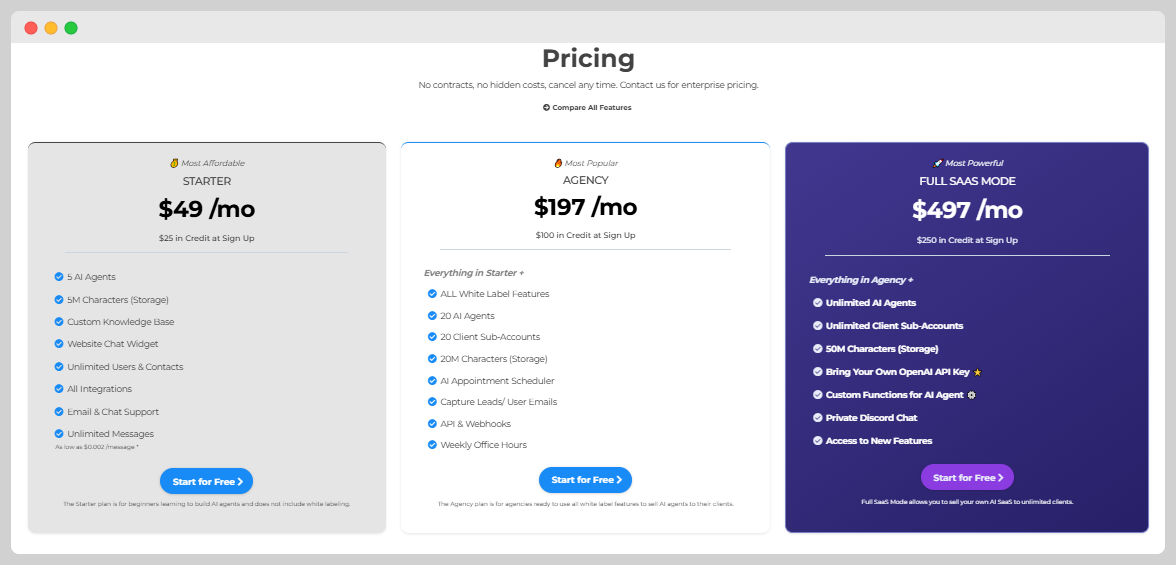
Stammer.AI offers a free signup, with pricing for white-label AI services starting at approximately $49 per month, allowing agencies to resell under their own brand.
What were the biggest lessons learned from building Stammer.AI?
- Build a Strong Foundation: Stammer.ai focused on building a robust platform with essential features like white labeling and custom domains first. This foundational strength allowed them to seamlessly add more features over time, ensuring stability and flexibility.
- Listen and Adapt: By leveraging direct customer feedback through weekly office hours and an active Discord community, Stammer.ai continuously improved and adapted their platform. This iterative approach helped them quickly address bugs and expand functionality based on real user needs.
- Embrace Community-Led Growth: Stammer.ai's strategy of fostering a strong community allowed them to benefit from organic growth. Engaging directly with users not only improved the product but also expanded their user base through word-of-mouth and social media sharing.
- Focus on Customer Empowerment: By offering a white-label platform, Stammer.ai empowered agencies to sell customized AI solutions. This not only provided a direct source of revenue for customers but also gave them ownership and brand recognition, increasing customer loyalty and satisfaction.
- Innovate with Market Trends: Recognizing the demand for AI and automation, Stammer.ai positioned their product to capitalize on this trend. By enabling agencies to offer AI solutions, they tapped into a growing market need and stayed ahead of the competition.
What platform/tools does Stammer.AI use?
Discover Similar Business Ideas Like Stammer.AI
|
|
Idea
|
Revenue
|
|---|---|---|
|
AI quiz generator for educators.
|
$4K
monthly
|
|
|
"AI tool for effortless video content creation."
|
$600K
monthly
|
|
|
AI tool that helps content creators, founders, ...
AI tool that helps content creators, founders, and marketers make VIRAL content & ads with AI while saving 100's of hours per month |
$400K
monthly
|
|
|
"Email signature marketing hub for solopreneurs."
|
$55K
monthly
|
|
|
AI-powered social media carousel creator.
|
$10K
monthly
|
|
|
AI chatbot builder for businesses.
|
$180K
monthly
|
|
|
"Create real-time status pages for seamless cus...
"Create real-time status pages for seamless customer updates." |
$24K
monthly
|






More about Stammer.AI:
Who is the owner of Stammer.AI?
Timothy Bramlett is the founder of Stammer.AI.
When did Timothy Bramlett start Stammer.AI?
2023
What is Timothy Bramlett's net worth?
Timothy Bramlett's business makes an average of $/month.
How much money has Timothy Bramlett made from Stammer.AI?
Timothy Bramlett started the business in 2023, and currently makes an average of .