How Snow W Lee Grew a No-Code AI Platform to $100K ARR

Who is Snow W. Lee?
Snow W. Lee, the co-founder and CEO of Runbear, hails from a background in tech entrepreneurship and is known for pivoting to innovative AI solutions; they have shared insights publicly about their journey through platforms like Medium and Twitter.
What problem does Runbear solve?
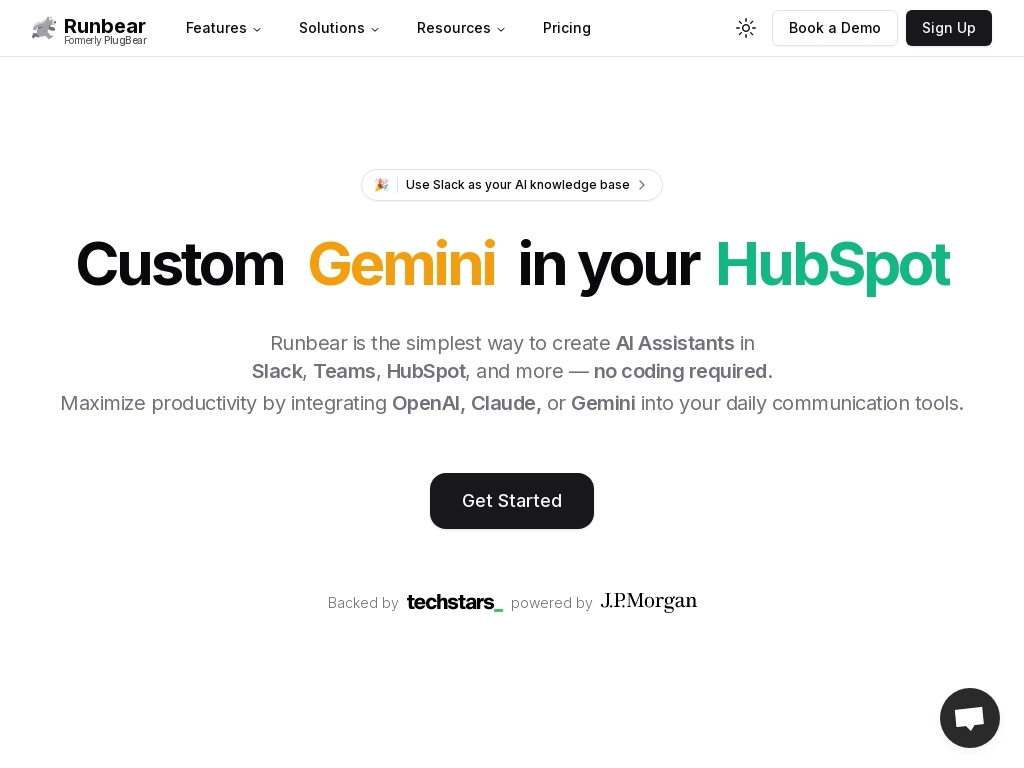
Runbear helps users easily integrate AI into tools like Slack without coding, simplifying automation and productivity for those without technical skills.
Founder-Market Fit
Skills
What skills did Snow W. Lee have that led to their success?
How did Snow come up with the idea for Runbear?
Snow W. Lee's journey to create Runbear began amidst a challenging time in the AI startup space. OpenAI's event dramatically changed the landscape, rendering many similar AI projects obsolete, including Snow's initial venture focused on building AI copilots for technical support. Recognizing that continuing in the same direction would mean competing in a market dominated by larger players, Snow identified an opportunity in the growing complexity of integrating AI into everyday workflows for businesses.
Reflecting on this insight, Snow chose to pivot and solve a different problem: simplifying AI integration into popular work tools like Slack and Teams without requiring coding skills. This decision was grounded in the observation that while businesses could now easily create custom AI apps, integrating these into daily operations remained complicated. By focusing on this pain point, Snow aimed to empower businesses to utilize their AI solutions more effectively.
Snow adopted a "launch fast and learn from users" approach to validate this new direction. By quickly developing a basic version of the product and gathering feedback through platforms like Product Hunt, Snow could refine and adjust Runbear based on real user needs and insights. This iterative process allowed him to overcome early-stage challenges and better align the product with customer expectations, providing valuable learning experiences in adaptability and customer-focused innovation.
How did Snow W. Lee build the initial version of Runbear?
Runbear was developed as a no-code platform that allows companies to integrate AI assistants like OpenAI and Claude into communication tools such as Slack and Microsoft Teams. The founders opted for a rapid development approach, managing to build and release a basic version of the product in just one week. The process involved minimal coding, relying on existing APIs and a user-friendly interface to connect AI models to business tools without requiring technical expertise. Initial development hurdles included the need to pivot after an industry shift that made many AI startups obsolete, leading them to focus on integration rather than building AI models themselves. This pivot was crucial and challenging, as it required reimagining their product's core purpose and target market under tight time constraints.
What was the growth strategy for Runbear and how did they scale?
Content Marketing
Runbear utilized content marketing to educate its audience and demonstrate the value of its product. They created and shared valuable content, including tips, insights, and guides to inform potential users about AI integration and automation. This approach served dual purposes: it educated potential customers and subtly promoted Runbear as an efficient tool for making workflows more streamlined. By consistently publishing content that resonated with users' needs, Runbear established trust and showcased the platform’s capabilities.
Why it worked: Content marketing attracted users by providing them with insightful and educational material that answered their questions and addressed their needs. This helped position Runbear as an authority in AI integration, enticing users to explore their offerings.
Social Media Engagement
Runbear leveraged platforms like Medium, Reddit, and X (formerly Twitter) to engage with their audience and create a community around their product. They shared updates, product features, and use cases, driving traffic to their website and increasing brand awareness. Medium allowed them to write in-depth articles, while Reddit offered direct engagement with interested communities.
Why it worked: Social media enabled Runbear to interact directly with potential customers, creating a dialogue that fostered interest and built a supportive community. These platforms allowed Runbear to amplify their message and reach audiences interested in AI solutions.
Product-Led Growth (PLG)
Runbear embraced a product-led growth approach, letting the quality and functionality of their platform drive user acquisition and retention. By focusing on creating a product that users found intuitive and advantageous, they ensured that once people tried Runbear, they appreciated its value and were inclined to continue using and recommending it.
Why it worked: The PLG strategy relied on the product to naturally attract and retain users. Since the platform effectively met users' needs, it facilitated organic growth through recommendations and continued use, reducing reliance on aggressive sales tactics.
Paid Marketing Optimization
While initial efforts in paid marketing didn't yield the expected results, Runbear optimized their strategy by significantly reducing the cost per click (CPC) from $1.06 to $0.15. This sevenfold performance boost allowed them to effectively engage in paid advertising without excessive expenditure, thus attracting more users at a lower cost.
Why it worked: Optimizing paid marketing allowed Runbear to make it a viable channel by enhancing the return on investment and reaching a wider audience efficiently. By lowering acquisition costs and improving advertisement performance, they turned a previously ineffective channel into a supportive growth driver.
What's the pricing strategy for Runbear?
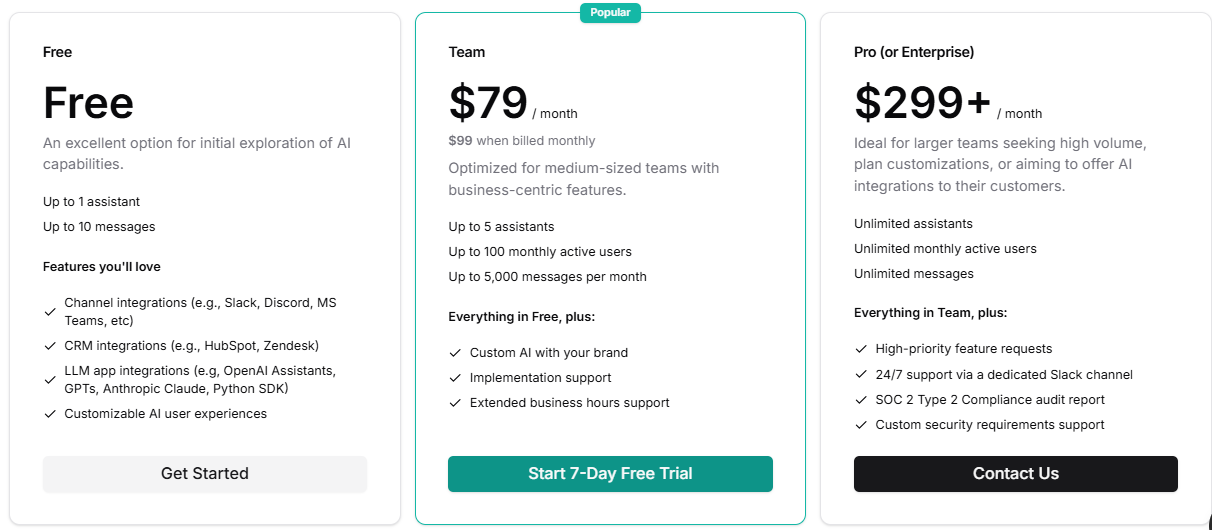
Runbear prices its no-code AI integration platform at $29 per user/month with a free trial, emphasizing a product-led growth strategy to attract and retain users.
What were the biggest lessons learned from building Runbear?
- Deliver Consistent Value: Runbear realized that continuously providing value beyond the initial offering is key to growth. Customers find the product useful for exploring new ideas and features, which keeps them engaged and loyal.
- Embrace Product-Led Growth: By focusing on a product-led growth strategy, Runbear let the product speak for itself. The platform's usability and effectiveness led customers to naturally recommend it to others, supporting organic growth.
- Focus Efforts Strategically: Attempting too many strategies at once proved unhelpful. Runbear learned to concentrate on one approach at a time to measure effectiveness and determine the best path for progress.
- Pivot Efficiently: After facing challenges in competing with larger companies, Runbear pivoted their approach swiftly, choosing to integrate into workflows rather than compete directly. This flexibility allowed them to find new opportunities.
- Build in Public: Runbear leveraged the "build in public" strategy to gather user feedback, maintain transparency, and stay motivated. Sharing regular updates and engaging with the community fast-tracked user growth and improvement cycles.
What platform/tools does Runbear use?
Discover Similar Business Ideas Like Runbear
|
|
Idea
|
Revenue
|
|---|---|---|
|
AI quiz generator for educators.
|
$4K
monthly
|
|
|
"AI tool for effortless video content creation."
|
$600K
monthly
|
|
|
AI tool that helps content creators, founders, ...
AI tool that helps content creators, founders, and marketers make VIRAL content & ads with AI while saving 100's of hours per month |
$400K
monthly
|
|
|
"Email signature marketing hub for solopreneurs."
|
$55K
monthly
|
|
|
AI-powered social media carousel creator.
|
$10K
monthly
|
|
|
AI chatbot builder for businesses.
|
$180K
monthly
|
|
|
"Create real-time status pages for seamless cus...
"Create real-time status pages for seamless customer updates." |
$24K
monthly
|





More about Runbear:
Who is the owner of Runbear?
Snow W. Lee is the founder of Runbear.
When did Snow W. Lee start Runbear?
2023
What is Snow W. Lee's net worth?
Snow W. Lee's business makes an average of $8.3K/month.
How much money has Snow W. Lee made from Runbear?
Snow W. Lee started the business in 2023, and currently makes an average of $99.6K/year.