How Pendo's Founders Achieved $200M ARR Through Strategic Growth

Who is Todd Olson?
Todd Olson is the founder and CEO of Pendo, originally from Raleigh, North Carolina, and he has a strong background in product management and entrepreneurship, having previously started 6th Sense and Cerebellum before launching Pendo in 2013. Prior to founding Pendo, Olson was a developer and VP of product, holding deep expertise in user-centric design and product development methodologies.
What problem does Pendo solve?
Pendo helps product teams see how users interact with their software, which saves countless hours by eliminating the need for constant developer involvement and improves user experience significantly.
How did Todd come up with the idea for Pendo?
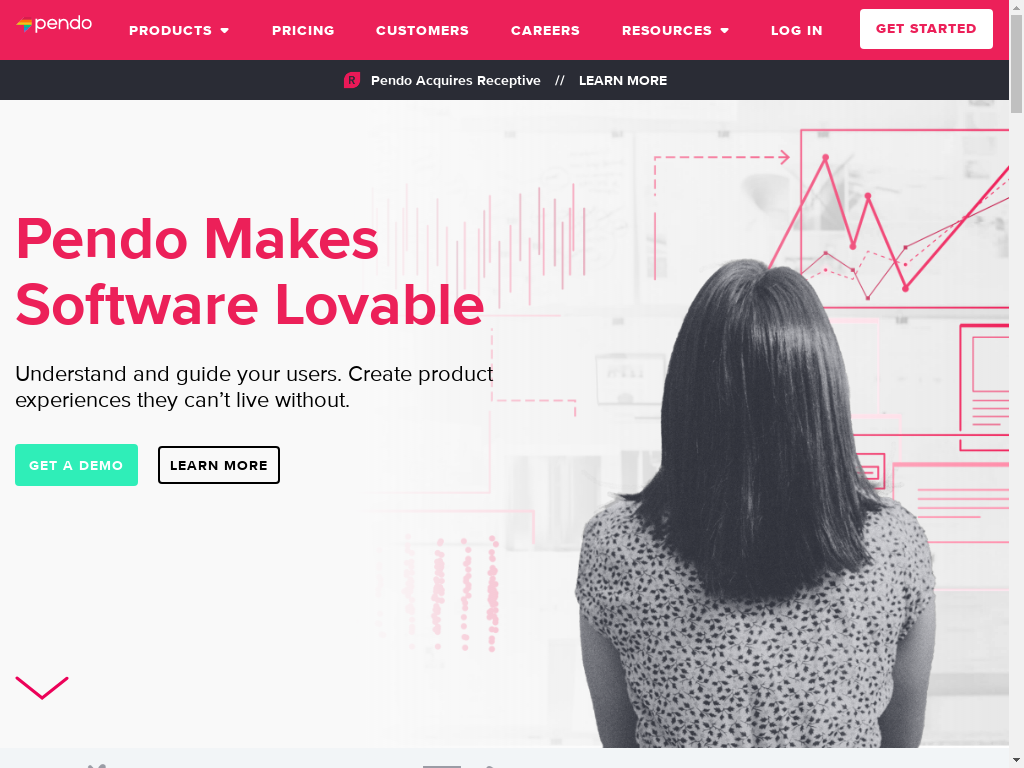
Todd Olson, the founder of Pendo, came up with the business idea from his first-hand experience as a VP of Product. He identified a significant gap in visibility over product usage and user engagement, which often required extensive engineering resources to address. Seeing this as a widespread pain point, Olson decided to create a solution that would empower product teams with insights without the need for heavy engineering input.
Before diving into full-scale development, Olson validated his problem-solution fit through his personal struggles and interactions with other product teams. This direct connection to the issue lent credibility and empathy in conversations with prospective users, who valued the product's unique proposition. Key lessons emerged from these early engagements, particularly in iterating quickly based on customer feedback and staying laser-focused on solving a specific problem, which helped refine Pendo’s product offering to meet real market needs.
How did Todd Olson build the initial version of Pendo?
To build Pendo, Todd Olson and his team centered their initial product development on deeply understanding the pain points faced by product teams, leveraging Olson's background as a VP of product. They focused on creating a tool that could offer visibility and drive user engagement without requiring extensive engineering resources, which was a significant challenge for product leaders. The initial prototype and early iterations emphasized a no-engineering-required approach, setting Pendo apart by addressing this critical need. The development process hinged on rapid measurement, iteration, and customer feedback, often involving beta programs where user feedback was exchanged for early, free access. This emphasis on understanding and addressing user pain established a strong foundation, though the process was more complex than initially anticipated, exemplifying a blend of technical acumen and market empathy.
How did Todd launch Pendo and get initial traction?
Direct Sales
Pendo used direct sales campaigns to get their first initial customers. They spent time and effort in connecting with potential customers directly through targeted outreach, emails, and calls.
Why it worked: Direct sales allowed Pendo to have personalized interactions with potential customers, which helped build trust and establish relationships in the early stages.
Product Hunt
Pendo also leveraged Product Hunt to get the word out about their product. By showcasing their platform on Product Hunt, Pendo was able to reach a wider audience and gain visibility in the product management community.
Why it worked: Product Hunt provided a platform for Pendo to showcase their product to a relevant audience interested in product management tools.
Acquisition of Chisel Labs
Pendo accelerated its growth strategy by acquiring Chisel Labs, an AI-powered product management platform. This strategic acquisition helped Pendo deepen its focus on AI capabilities and leverage Chisel's expertise to enhance their own product offerings.
Why it worked: The acquisition of Chisel Labs enabled Pendo to tap into specialized AI frameworks and engineering talent, helping them accelerate the development of autonomous agents for product teams.
Acquisition Metrics
- Chisel Labs Acquisition: Acquired in February 2026.
- Forwrd Acquisition: Acquired on July 8, 2025.
- Zelta Acquisition: Acquired on July 31, 2024.
These strategic acquisitions helped Pendo expand its product offerings, enhance its AI capabilities, and establish itself as a leader in the software experience management space.
What was the growth strategy for Pendo and how did they scale?
Product-Led Growth
Pendo focused heavily on creating a product that could largely sell itself by being indispensable to its users. They prioritized building a platform that catered specifically to product teams, allowing these users to understand their customers better and improve user experience. This focus created strong word-of-mouth referrals and an organic growth loop as satisfied users naturally recommended Pendo to peers.
Why it worked: The emphasis on crafting a valuable and user-friendly product ensured that the user experience itself became a key selling point. This led to increased adoption and retention as the platform provided tangible value in improving product management and user engagement.
Direct Sales Approach
In the early stages, Pendo's founder engaged directly in sales activities, opting not to immediately hire a sales team. This hands-on approach allowed them to gain critical insights from first-hand customer interactions, which informed product improvements and sales strategies. Eventually, Pendo built out its sales team to focus on larger enterprise sales, further driving company growth.
Why it worked: By initially handling sales personally, the founder could gather invaluable feedback and iterate quickly on product features. This direct connection allowed for more informed adjustments and fine-tuning of both the sales pitch and product offering, eventually translating into robust sales processes as the company scaled.
Free Trials and Product Utilization
Pendo utilized free trials to onboard potential clients, capitalizing on their strong conversion rates from trial to subscription. They focused on enabling teams to see direct value from the product during the trial period, which simplified the sales process and increased conversion rates significantly.
Why it worked: By offering free trials, Pendo minimized the barriers to entry, allowing users to experience the platform's value firsthand. This approach helped secure commitment and fidelity, as users had already integrated Pendo into their workflow and experienced its benefits before making a purchasing decision.
What's the pricing strategy for Pendo?
Pendo employs a usage-based pricing strategy, where prices start at $12,000 annually and scale according to monthly active users, facilitating a focus on customer value.
What were the biggest lessons learned from building Pendo?
- Focus on Product Fundamentals: Pendo's growth was driven by getting the basics right—creating a product that tackles real pain points, akin to a must-have solution rather than a nice-to-have.
- Iterate Based on Customer Feedback: Emphasizing customer involvement allowed Pendo to refine its offerings continually, adapting features based on user needs to ensure the product remained valuable.
- Adapt Pricing Strategically: Pendo learned that aligning pricing with perceived value, rather than just costs, was key. Rising prices judiciously ensured customer commitment and filtered out less engaged users.
- Balance Product-Led and Sales-Led Growth: The company leveraged a mix of product trials and sales expertise to drive adoption, illustrating flexibility in growth strategies tailored to customer engagement.
- Cultivate Company Culture Intentionally: A great culture was fundamental to Pendo's success, and it required ongoing effort. Maintaining this culture ensured employee satisfaction, which translated into better customer engagement and business outcomes.
What platform/tools does Pendo use?
Discover Similar Business Ideas Like Pendo







More about Pendo:
Who is the owner of Pendo?
Todd Olson is the founder of Pendo.
When did Todd Olson start Pendo?
2013
What is Todd Olson's net worth?
Todd Olson's business makes an average of $16.7M/month.
How much money has Todd Olson made from Pendo?
Todd Olson started the business in 2013, and currently makes an average of $200M/year.
Sources (58)