How Gemma Vincent Bootstrapped an AI Chatbot Business to $12K MRR

Who is Gemma Vincent?
Gemma Vincent, originally from the south coast of England, discovered her passion for coding at Bournemouth University and went on to found a design agency to combat workplace sexism, later co-founding Chat Thing with her husband, Jozef Maxted.
What problem does Chat Thing solve?
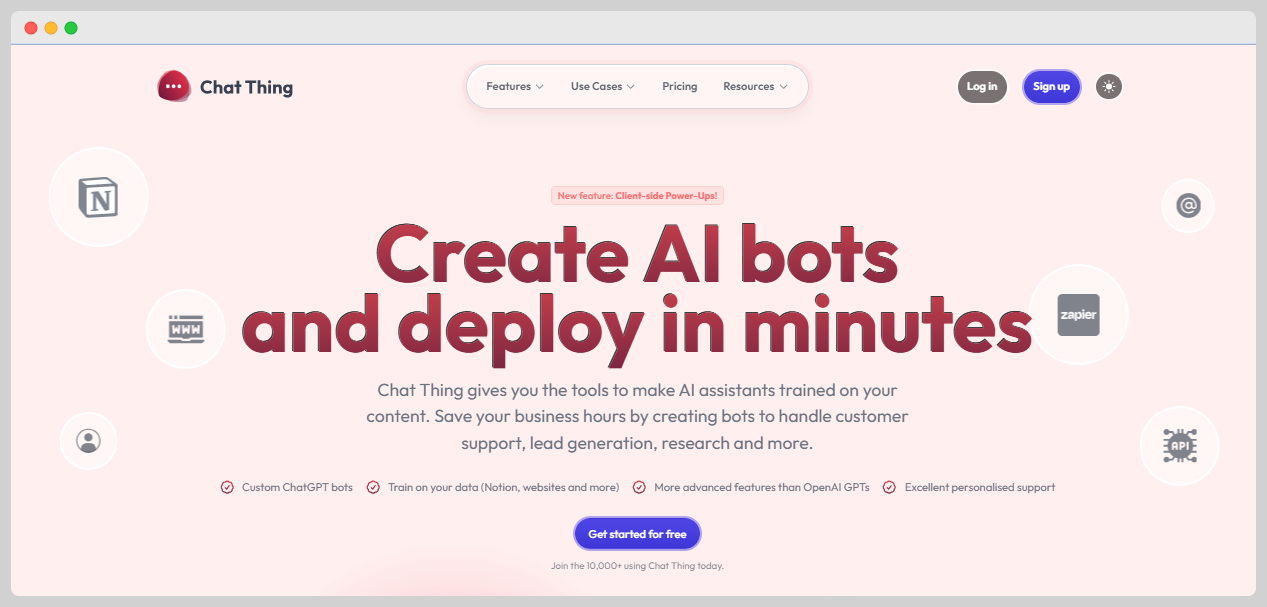
Chat Thing solves the problem of creating AI chatbots without coding, making it easy for individuals and businesses to automate tasks and enhance productivity, all without technical hassle.
Founder-Market Fit
Skills
What skills did Gemma Vincent have that led to their success?
How did Gemma come up with the idea for Chat Thing?
Gemma Vincent's journey to creating Chat Thing stemmed from her love for coding, which blossomed during her university days. Alongside her husband Zef, Gemma left a conventional job environment marked by sexism and launched a design agency where inclusivity was prioritized. Their combined passion for developing products led them to experiment with various ideas until they stumbled upon the rapidly evolving world of AI.
In response to the growing AI hype, they saw an opportunity to blend their coding skills with AI capabilities. Inspired by an article on creating chatbots, they decided to quickly develop their AI bot generator. The idea was to get a viable product out swiftly, testing its functions with potential users, which led to surprising early successes and valuable real-world feedback.
The pair embraced an iterative approach, initially focusing on a basic model before refining user experience and interface design based on user insights. Throughout the ideation phase, they faced challenges typical of side projects, such as balancing client work and their own projects. However, their willingness to adapt and remain resilient in a highly competitive field served as key lessons in turning an initial concept into a promising business venture.
How did Gemma Vincent build the initial version of Chat Thing?
Gemma Vincent and Jozef Maxted rapidly developed their AI chatbot generator, Chat Thing, as a weekend project, focusing initially on speed rather than perfection. Within just a week of conceptualization, they had a basic prototype ready that utilized Notion pages as data sources. They used Nuxt for the front-end development of the site and integrated various APIs to expand data sourcing capabilities, including input from websites and YouTube. The development process was intentionally scrappy and leaned on their ability to adapt quickly, with iterations based on early user feedback and experiences. One significant challenge was managing the data synchronization aspect, which involved a complex job/queuing system to process and transform user data efficiently across different sources.
What were the initial startup costs for Chat Thing?
- Logo and Domain: They spent 15 minutes on creating an uninspired logo and purchased the domain chatthing.ai.
- Landing Page: They focused on a basic landing page using a TailwindUI template.
How did Gemma launch Chat Thing and get initial traction?
Building a Waitlist
Chat Thing began by setting up a waitlist to gauge interest and build anticipation before officially launching. They set up a basic landing page showcasing a demo video and example bots, encouraging visitors to sign up. Over a period of less than a month, they managed to draw significant attention through regular updates on platforms like Twitter, resulting in over 1,319 subscribers by March 27th.
Why it worked: By creating a sense of exclusivity with the waitlist, interested individuals felt compelled to be a part of the service early on. The use of teasers and progress updates kept potential customers engaged and excited, driving them to sign up and await the product's launch.
Social Media Engagement
Initially, Chat Thing faced challenges with their Twitter debut, receiving minimal engagement on their first post. However, persistence paid off as they improved their approach by adding more example bots in subsequent posts, generating better reception and interest. These social media interactions were instrumental in driving traffic to their site and increasing signups.
Why it worked: The iterative process of refining and re-posting demonstrated adaptability and responsiveness to audience preferences. Social media platforms provided a direct line to potential users for immediate feedback and increased visibility, ultimately enhancing interest in their offering.
Early Collaborations and Endorsements
A pivotal moment for Chat Thing was an unexpected connection with Seth Godin, a prominent figure who endorsed their product after using it for his own blog. This endorsement gave Chat Thing validation and visibility, leading to increased trust and credibility among wider audiences and attracting more customers.
Why it worked: Collaborations with well-known personalities or influencers can serve as a strong endorsement of a product's value. Such endorsements leverage existing networks to reach a broader audience quickly, adding a layer of credibility and attracting new users based on their trust in the recommender.
What was the growth strategy for Chat Thing and how did they scale?
Twitter and AI News Accounts
Chat Thing gained significant attention by strategically using Twitter to share demo videos. They posted multiple times to increase visibility, and eventually, their content was picked up by prominent AI news accounts. This initial exposure helped them reach a wider audience and even led to features in large newsletters.
Why it worked: Twitter allowed Chat Thing to tap into the tech community, where AI enthusiasts are highly active. By repeatedly sharing engaging demo videos, they caught the attention of key influencers in the AI space, which amplified their reach and credibility.
Waitlist and Early Access Strategy
Before fully launching, Chat Thing created a waitlist to build anticipation and gauge interest. They launched with a simple landing page featuring demo videos and a call to action to join their waitlist. This approach resulted in over 1,300 sign-ups within a month, which they converted into early users by inviting them in small batches.
Why it worked: The waitlist strategy effectively created a sense of exclusivity and urgency, enticing early adopters to join. By managing the user onboarding process in small batches, they could ensure a smooth experience, garner feedback, and make necessary improvements before a full launch.
Celebrity Collaboration and PR
A major turning point for Chat Thing was when Seth Godin, a well-known author, reached out to them. By collaborating with him to create a bot based on his extensive blog, they not only gained credibility but also benefited from the traffic spike when he linked to their product in a blog post. This collaboration provided further validation and exposure.
Why it worked: Partnering with a celebrity or influencer brings significant attention and social proof to a product. Seth Godin’s endorsement served as a strong testament to Chat Thing’s capabilities and increased their visibility in the market.
Organic Discovery and Word of Mouth
Initially, Chat Thing relied heavily on organic growth. By focusing on creating a usable product quickly and sharing it widely, they received organic traction and feedback. Word of mouth from early adopters and the novelty of their product in the AI space contributed to their growth.
Why it worked: Organic growth channels are powerful in building a genuine user base. By delivering a product that addressed a real need and ensuring it was easily discoverable, Chat Thing benefited from natural recommendations and user advocacy, which helped sustain their growth momentum.
What's the pricing strategy for Chat Thing?
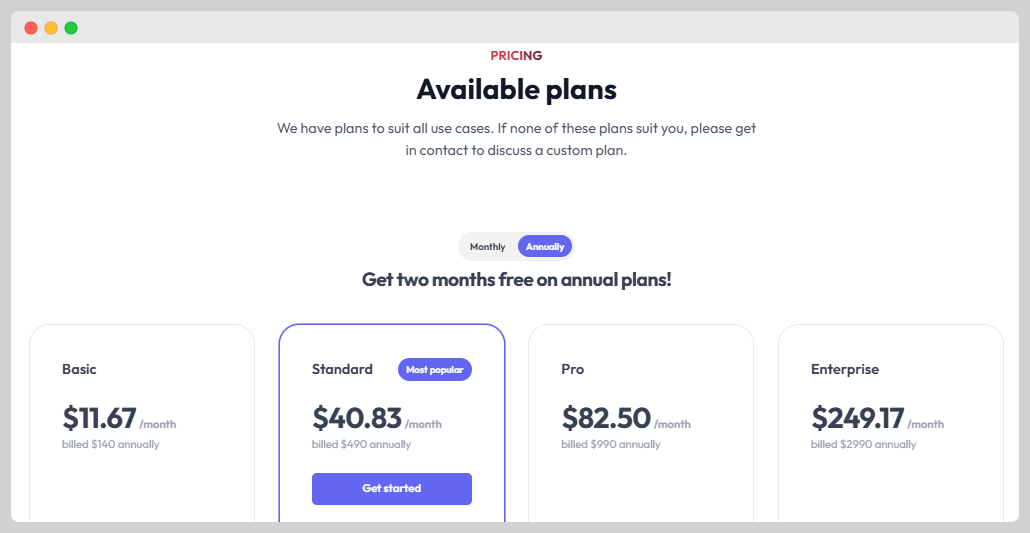
Chat Thing offers AI chatbot creation with subscription pricing, starting at $29 per month for limited data sources and scaling up to $199 monthly for advanced integrations and power-ups.
What were the biggest lessons learned from building Chat Thing?
- Launch Fast and Iterate: Chat Thing's founders focused on getting a basic version of their AI chatbot generator into the market quickly, even if it wasn't perfect. This allowed them to gather user feedback early and refine their product based on real needs.
- Adapt to Market Changes: By supporting various AI models beyond OpenAI, Chat Thing reduced its platform risk and offered customers flexibility, showing the importance of adapting to an evolving tech landscape.
- Emphasize Storytelling: Despite not being marketers, the founders learned the value of selling a compelling story rather than just features. This approach, although challenging, can attract more user interest than purely technical superiority.
- Stay Resilient Through Competition: The team faced anxiety about not innovating fast enough as competitors emerged rapidly. Staying focused on user-demanded features and releasing improvements helped them maintain their unique position.
- Balance Work and Life: By integrating their work with personal experiences, such as traveling around England in a van, the founders demonstrated that maintaining a work-life balance is possible and can be a source of creativity and motivation.
What platform/tools does Chat Thing use?
Discover Similar Business Ideas Like Chat Thing





More about Chat Thing:
Who is the owner of Chat Thing?
Gemma Vincent is the founder of Chat Thing.
When did Gemma Vincent start Chat Thing?
2023
What is Gemma Vincent's net worth?
Gemma Vincent's business makes an average of $12K/month.
How much money has Gemma Vincent made from Chat Thing?
Gemma Vincent started the business in 2023, and currently makes an average of $144K/year.