How Two Brothers Bootstrapped Buildpad Into a $6K MRR Business

Who is David Heikka?
Buildpad was co-founded by Felix and David Heikka, two brothers who turned their own startup failures into a learning experience, with backgrounds in software development and a passion for helping entrepreneurs build successful products. Originating from Finland, they previously tackled two unsuccessful projects before creating Buildpad.
What problem does Buildpad solve?
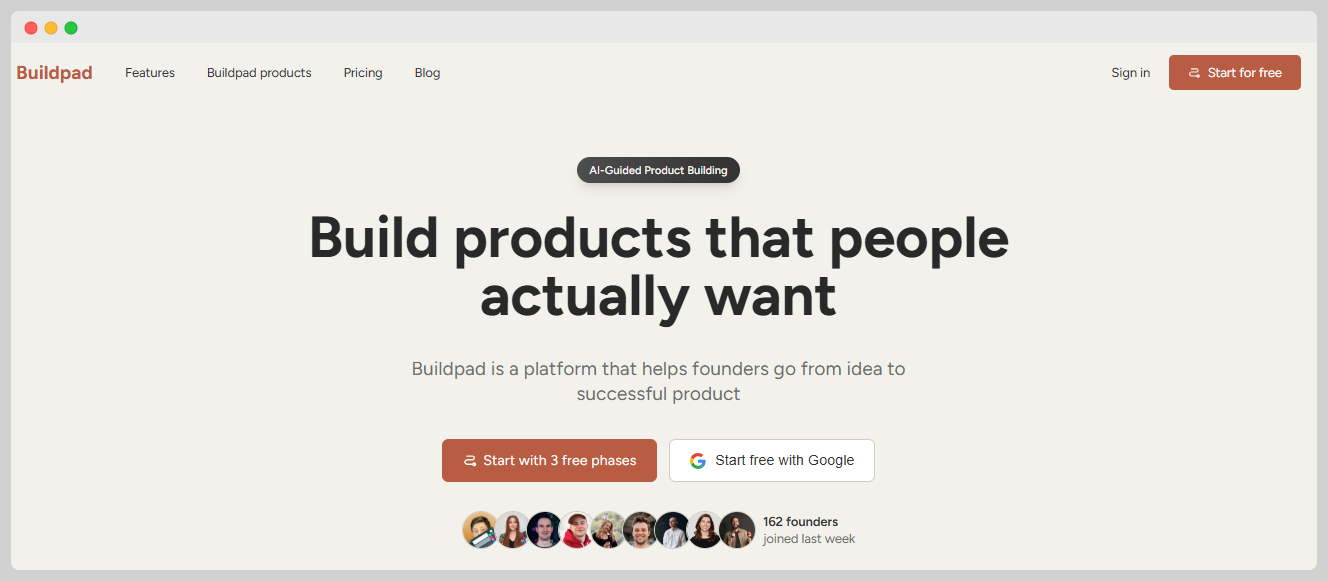
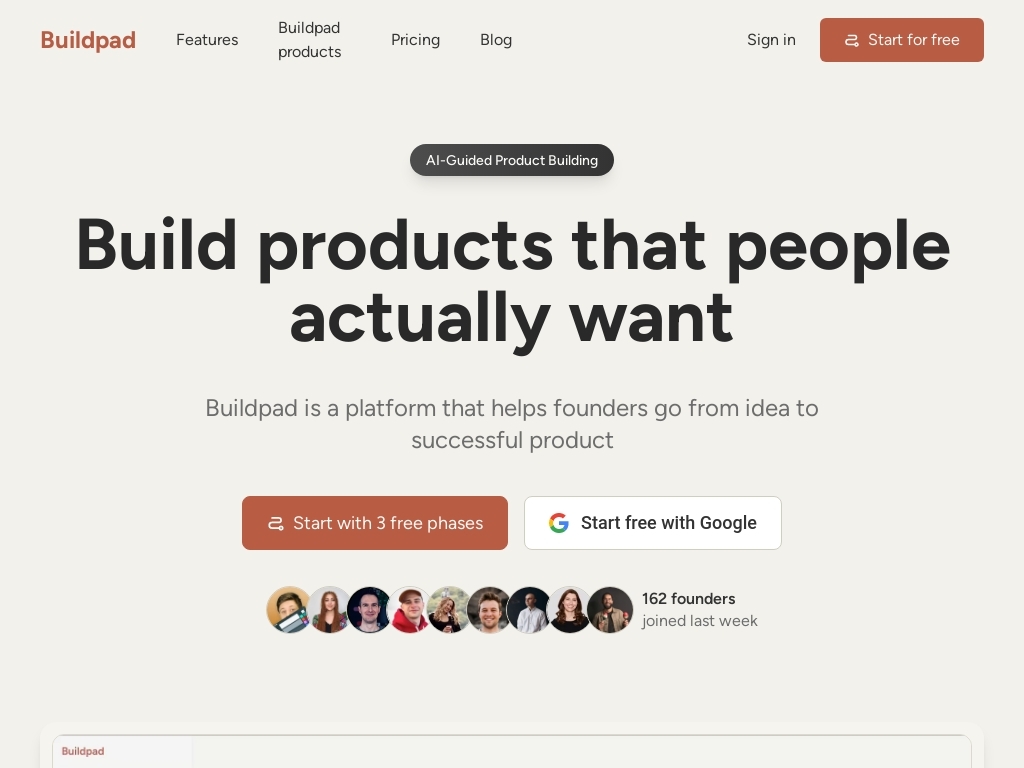
Buildpad helps founders avoid wasting time on unwanted products by validating ideas with real data, guiding them through building a successful product.
How did David come up with the idea for Buildpad?
Felix and David Heikka came up with the idea for Buildpad after experiencing the frustration of launching two unsuccessful startups. Rather than seeing this as a failure, they realized that the root issue was a lack of validation for their product ideas. This reflection prompted them to create a tool that would ensure entrepreneurs are building products that people actually want.
To avoid repeating past mistakes, they decided to validate their new idea directly with their target audience—indie hackers, solopreneurs, and small teams. They engaged in conversations on platforms like Reddit, exchanging feedback with others, which confirmed the widespread issue of building unneeded products. This validation solidified their belief in the need for a structured system to aid in product creation.
In the early stages, they faced the challenge of developing a platform that not only facilitates product validation but also integrates AI to support builders throughout the process. Despite these challenges, they learned that the key to successful ideation is gathering real-world feedback and staying flexible to refine the product based on user insights. This approach not only helped them refine Buildpad but also laid a strong foundation for future innovations.
How did David Heikka build the initial version of Buildpad?
Building Buildpad was an intricate process focused on rapid development and validation. The initial MVP (Minimum Viable Product) was developed in just one month, despite significant technical challenges. David Heikka, the coding expert of the team, led this intense phase of development. They utilized AI and special tools to streamline the MVP development, ensuring the product met the needs identified during their validation phase with potential users, primarily indie hackers and solopreneurs. The creators embraced a learning curve, spending extensive time reading tutorials and employing AI to resolve technical issues, which was harder than initially anticipated. Feedback from early users was crucial in refining the product, highlighting the iterative process of development that shaped Buildpad's full version.
What was the growth strategy for Buildpad and how did they scale?
Product Hunt Launch
Buildpad's significant boost in traffic and initial sales came from their successful launch on Product Hunt, where they earned over 500 upvotes, ranked as the #4 product of the day, and signed up nearly 1,000 new users in a short period. They strategically chose Product Hunt as it aligned well with their target audience of indie hackers and entrepreneurs. Their messaging, emphasizing the pain points of building unwanted products, resonated deeply with this community. Furthermore, the timing of their launch coincided with some drama in the indie hacker community regarding VC-backed companies, which they leveraged to gain support and upvotes by positioning themselves as a champion for independent creators.
Why it worked: Product Hunt is a popular platform among tech enthusiasts, startups, and entrepreneurs, making it an ideal launching pad for a product aimed at founders. The platform's community aspect allows a well-received product to gain rapid visibility and engagement. In addition, their active participation during the launch day through posting and responding to comments amplified their presence and drove more traffic.
Community Engagement on Social Platforms
Buildpad actively engaged with communities on platforms like X (formerly Twitter) and Reddit, which are filled with their target demographic—indie hackers, solopreneurs, and tech enthusiasts. They consistently posted about topics related to their product, shared their journey, and provided value by offering feedback on other users' projects while subtly promoting Buildpad. This strategy helped grow their user base from just a few users to over 100 before the full launch.
Why it worked: Being present and active in such communities builds credibility and trust. Regular interactions, especially those that provide value through feedback, establish relationships and organically promote the product. By participating in discussions and supporting other community members, Buildpad was able to attract genuine interest and users who were invested in their success.
Word of Mouth and Newsletters
A significant portion of Buildpad's traffic also came from word of mouth as initial users began recommending the platform. They received exposure through mentions in various newsletters that cater to entrepreneurs and startup founders, further amplifying their reach. These referrals and features acted as trust signals for potential users, encouraging them to check out Buildpad.
Why it worked: Word of mouth and third-party recommendations are powerful because they rely on the existing trust people have in their networks or trusted sources. Since newsletters are often curated and focused around specific themes, securing a feature ensured that Buildpad reached a highly relevant audience likely to be interested in their product.
Feedback-Driven Product Improvement
Buildpad prioritized incorporating user feedback from the onset. By engaging directly with their early users on multiple platforms and taking their suggestions seriously, they continuously refined their product. This approach not only retained current users but also attracted new ones through improved features and validated solutions to common industry problems.
Why it worked: A feedback loop ensures that the product evolves according to actual user needs, significantly improving user satisfaction and retention. Happy users are more likely to become advocates for the product, spreading the word and bringing in new users. Additionally, showing responsiveness to feedback builds a sense of community and partnership with users, enhancing loyalty.
What's the pricing strategy for Buildpad?
Buildpad employs a freemium model with a basic free plan and premium subscriptions starting at $20 per month, offering AI-guided product development.
What were the biggest lessons learned from building Buildpad?
- Validate Your Idea: Buildpad emphasizes the importance of validating your idea with potential users before building the product. Skipping validation can lead to wasted time on a product that no one wants. Ensuring there's a demand can save resources and guide better decision-making.
- Leverage Community Feedback: The founders engaged with communities like Reddit and Product Hunt to get feedback and refine their product. Engaging with potential users early helps in gathering valuable insights and iterating effectively based on real-world needs.
- Effective Use of Product Launch Platforms: The successful launch on Product Hunt was pivotal, leveraging the platform's audience that matched their target user profile. Timing and strategic positioning during the launch, including engaging with community dynamics, played a significant role in gaining traction.
- Build a Supportive Community: Beyond just acquiring customers, Buildpad focused on community building through platforms like Twitter and Discord. This approach not only helps in retaining customers but also in evolving the product based on continuous feedback and engagement.
- Resilience and Persistence: The journey to Buildpad's success was preceded by two failed projects, underscoring the importance of resilience. Consistent effort and learning from past failures were key in eventually gaining paying customers and achieving product-market fit.
Discover Similar Business Ideas Like Buildpad
|
|
Idea
|
Revenue
|
|---|---|---|
|
AI tool that helps content creators, founders, ...
AI tool that helps content creators, founders, and marketers make VIRAL content & ads with AI while saving 100's of hours per month |
$400K
monthly
|
|
|
"Email signature marketing hub for solopreneurs."
|
$55K
monthly
|
|
|
AI-powered social media carousel creator.
|
$10K
monthly
|
|
|
AI chatbot builder for businesses.
|
$180K
monthly
|
|
|
"Catholic prayer and meditation app fostering f...
"Catholic prayer and meditation app fostering faith growth." |
$278K
monthly
|
|
|
QR code management for dynamic tracking and edi...
QR code management for dynamic tracking and editing. |
$300K
monthly
|
|
|
Trend-spotting platform for untapped market ins...
Trend-spotting platform for untapped market insights. |
$1K
monthly
|






More about Buildpad:
Who is the owner of Buildpad?
David Heikka is the founder of Buildpad.
When did David Heikka start Buildpad?
2024
What is David Heikka's net worth?
David Heikka's business makes an average of $6K/month.
How much money has David Heikka made from Buildpad?
David Heikka started the business in 2024, and currently makes an average of $72K/year.