How Two Brothers Built BePresent to Combat Tech Addiction and Thrived

Who is Jack Winston?
Jack and Charles Winston, founders of BePresent, are brothers from New York City who come from a Gen Z background; Jack previously worked in consulting at EY and marketing analytics at DraftKings, while Charles was a Googler, showcasing expertise in data-driven insights and tech development.
What problem does Be Present solve?
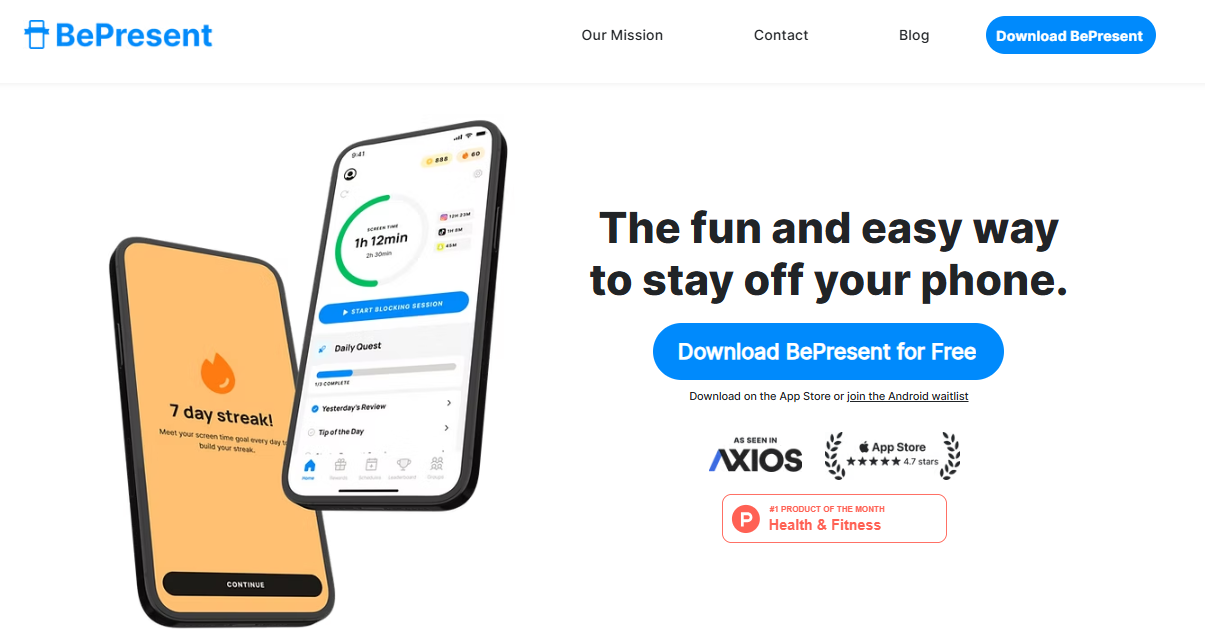
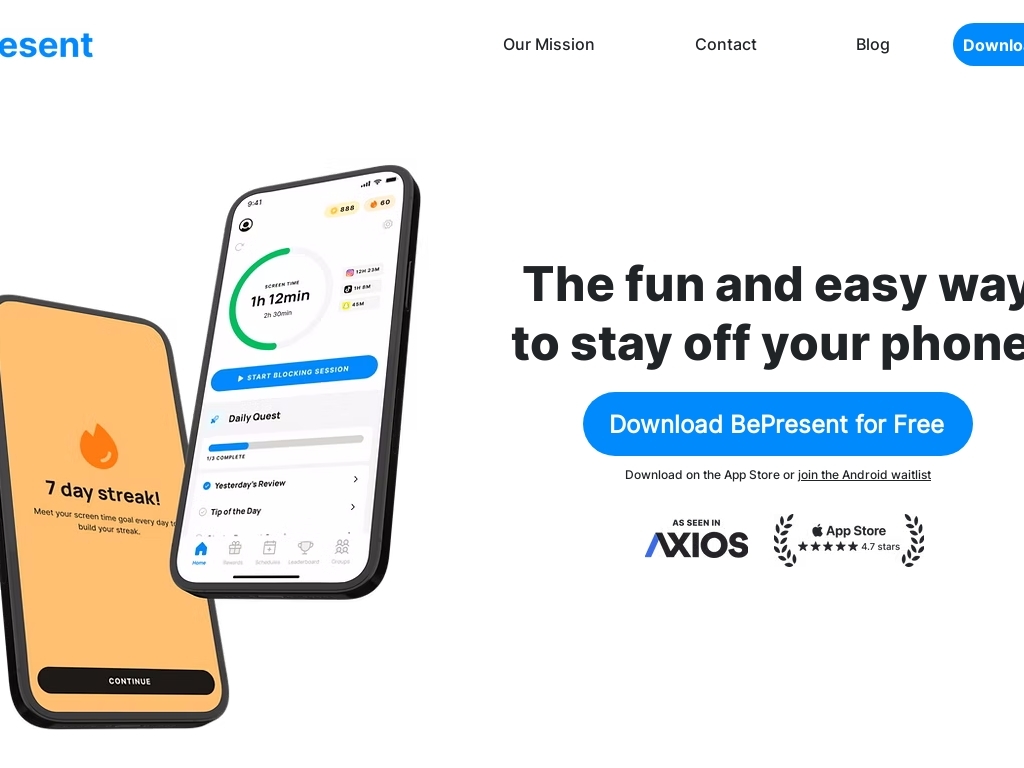
BePresent helps people break free from smartphone addiction, reducing stress and anxiety by using gamification to foster healthier phone habits, which users appreciate for the positive impact on their well-being and productivity.
How did Jack come up with the idea for Be Present?
The founders of BePresent, Jack and Charles Winston, came up with their business idea by witnessing firsthand the negative impacts of excessive screen time and social media usage, particularly on their generation, Gen Z. They noticed how people around them, including themselves, struggled to manage their phone habits using existing tools. This observation sparked the idea to create a solution that utilizes the same psychological techniques big tech companies use for addiction, but instead to promote healthy phone usage.
Before diving into development, the brothers recognized the growing demand for solutions to tech addiction among their peers and realized there was a market ready for disruption. They also considered the feasibility of executing their idea, knowing that they could leverage Apple's new screen time API. This technical advancement provided the opportunity to effectively integrate their solution into users' everyday phone habits.
A key lesson they learned in the ideation phase was the importance of creating a user experience that doesn't limit technology but enhances the way people interact with it. They creatively flipped the addictive techniques used by social media companies to encourage mindfulness and set digital boundaries. Their experience, combined with validation from peers and potential users, gave them the confidence to pursue this venture, despite initial obstacles.
How did Jack Winston build the initial version of Be Present?
The development of BePresent was rooted in leveraging psychological techniques similar to those used by social media firms, but for encouraging healthy behaviors. Jack and Charles Winston, the founders, utilized Apple's screen time API to synchronize user data and effectively incorporate game-like elements such as points, streaks, and leaderboards to make reducing screen time engaging and rewarding. They began by designing app elements in Figma and meticulously detailing product specifications in Excel, before coding the app themselves. It took significant effort and iteration; the game-like mechanics, which improve user compliance and awareness, were complex to develop and required a deep understanding of behavior design and habit formation. The development process was challenging as the founders had to overcome technical obstacles and ensure that the app was not just restrictive but authentically engaging, effectively fusing engineering and psychology to fulfill their visionary goals.
What was the growth strategy for Be Present and how did they scale?
Social Media and Community Engagement
BePresent effectively utilized social media and online communities to grow their user base. The founders actively participated in discussions on platforms like Reddit and social media channels to spread awareness about the app. They engaged directly with users, shared their value proposition, and encouraged downloads through these platforms.
Why it worked: This strategy worked because it targeted users where they were already discussing issues related to screen time and phone addiction. By engaging with these communities, BePresent tapped into existing conversations and positioned their app as a solution to a widely acknowledged problem.
Gamification
The app uses gamification techniques, such as leaderboards, streaks, challenges, and rewards, to make reducing screen time engaging and competitive. Users can earn points, which can be redeemed for real-life rewards, fostering a sense of accomplishment and ongoing motivation.
Why it worked: Gamification appeals to users' natural tendencies to compete and achieve. By integrating these elements, BePresent encourages users to stay committed to their screen time goals in a fun and engaging way. This approach not only attracts new users but also retains them by making the process enjoyable and rewarding.
Word of Mouth and Referrals
The inherent need and solution offered by BePresent encourage users to discuss their experiences and successes with the app, naturally leading to word-of-mouth promotion and referrals. Many users compare their previous struggles with screen time to their improved lifestyle while using the app.
Why it worked: Personal recommendations from satisfied users are powerful motivators for potential customers. As people notice their friends or family using the app and benefiting from it, they are more likely to try it themselves. The personal success stories highlight the effectiveness of BePresent, making it more appealing to prospective users.
What's the pricing strategy for Be Present?
BePresent offers a free app with optional premium features, pricing around $10/month, leveraging gamification and real-life rewards to encourage reduced screen time.
What were the biggest lessons learned from building Be Present?
- Use Psychology to Your Advantage: BePresent flipped addictive tech methods to encourage healthy phone habits, showing that using psychological techniques positively can foster better behavior.
- Gamification Works: They turned reducing screen time into a game, which kept users engaged and motivated, emphasizing the power of gamification in habit change.
- Embrace Co-Founding Synergy: The Winston brothers highlighted the importance of a personal connection in co-founding, where open communication and shared passion can drive a business forward.
- Tackle Meaningful Problems: They focused on a widespread issue affecting many, ensuring a strong market demand from people wanting to solve their addiction to tech.
- Build Community and Awareness: They effectively used social media and in-person networks to spread the word about their app, emphasizing the value of grassroots promotion.
What platform/tools does Be Present use?
Discover Similar Business Ideas Like Be Present





More about Be Present:
Who is the owner of Be Present?
Jack Winston is the founder of Be Present.
When did Jack Winston start Be Present?
2022
What is Jack Winston's net worth?
Jack Winston's business makes an average of $/month.
How much money has Jack Winston made from Be Present?
Jack Winston started the business in 2022, and currently makes an average of .