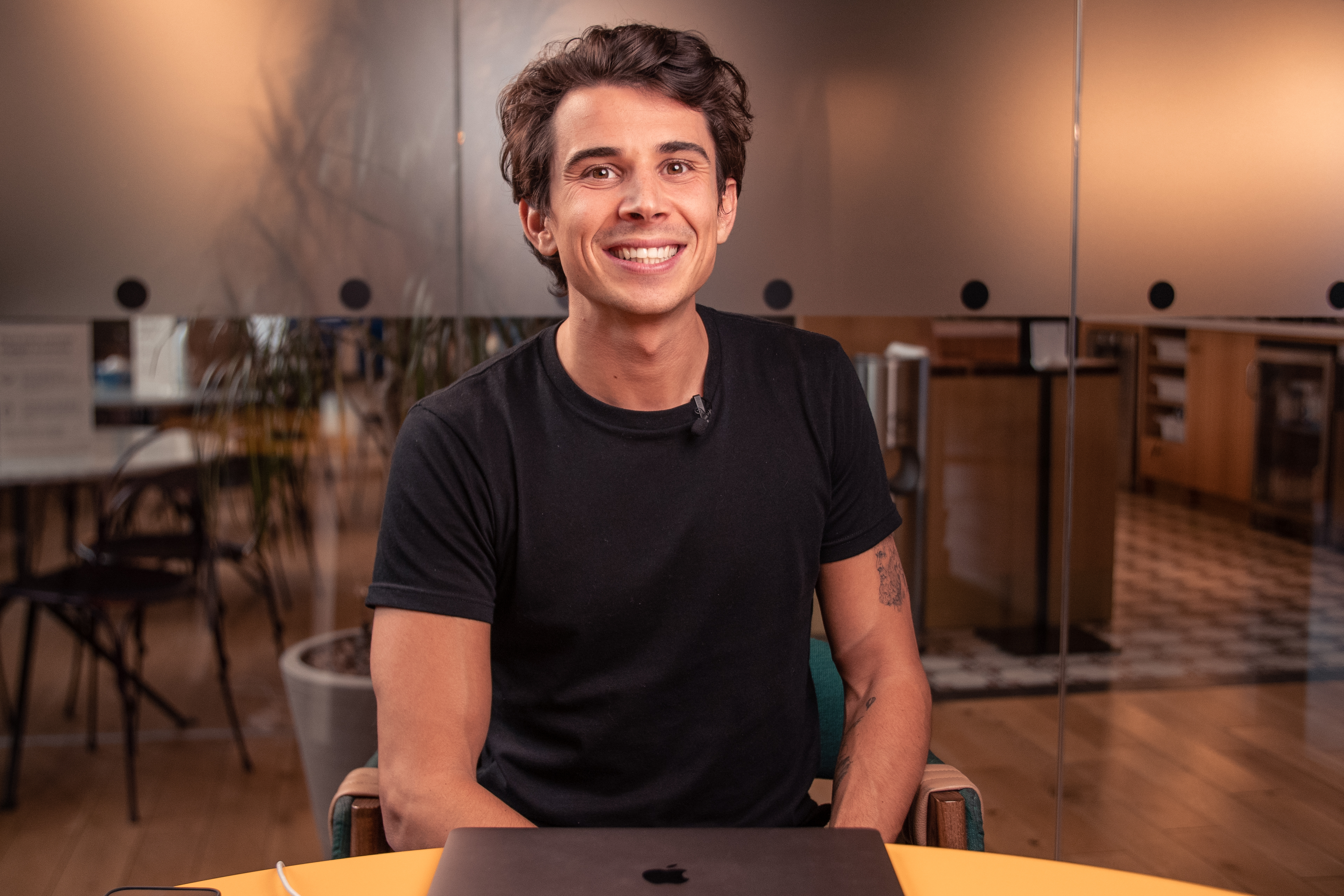
How Cristian Tăbăcitu Grew Backpack for Laravel to 340K Downloads

Who is Cristian Tabacitu?
Cristian Tăbăcitu, the founder of Backpack, is a seasoned web developer from Romania with a passion for building online products; he gained experience through various roles, including as a freelancer and entrepreneur, and has worked with technologies like PHP and Laravel.
What problem does Backpack solve?
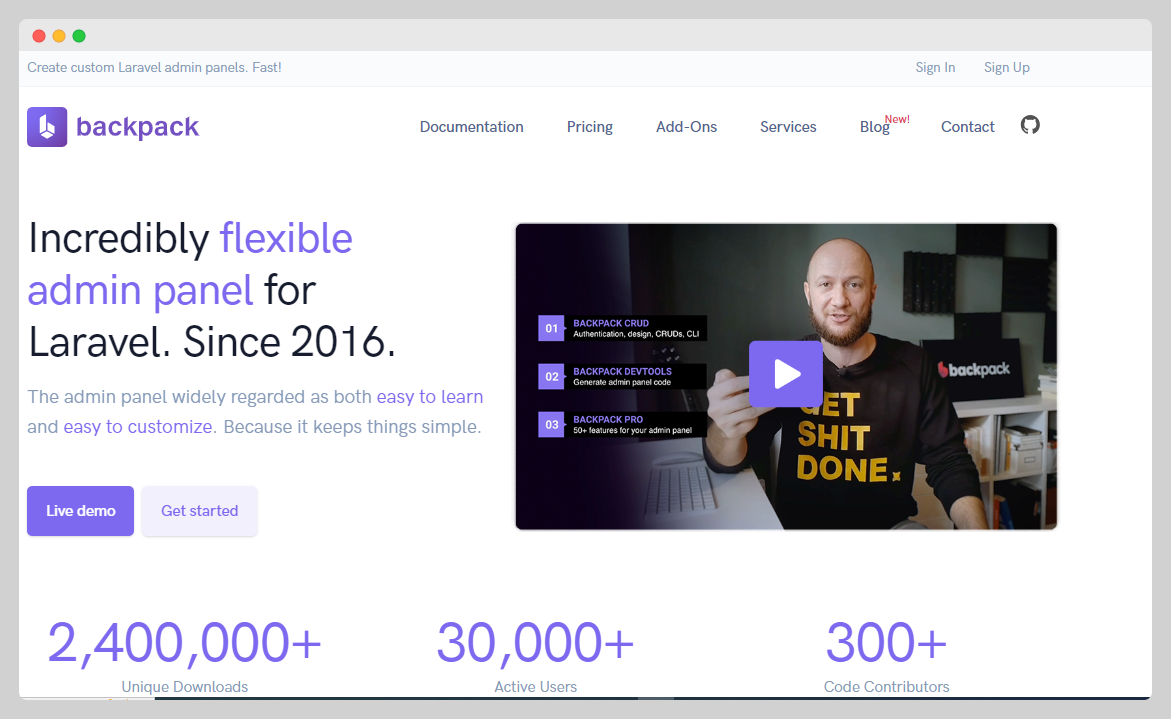
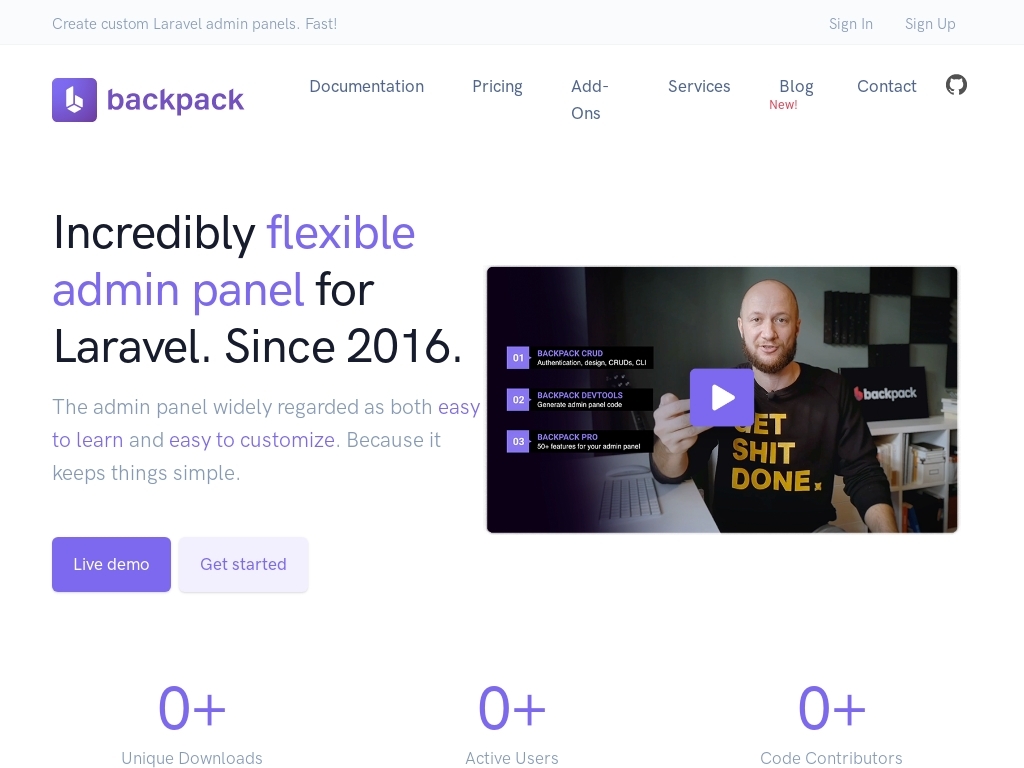
Backpack helps Laravel developers avoid repetitive coding by providing an easy-to-use admin panel toolkit, saving vital time and reducing hassle in web development.
Founder-Market Fit
Skills
What skills did Cristian Tabacitu have that led to their success?
How did Cristian come up with the idea for Backpack?
Cristian Tăbăcitu came up with the idea for Backpack as he repeatedly encountered the hassle of building admin panels for multiple projects at his web development agency. Frustrated with the time-consuming nature of this repetitive process, he realized that a solution tailored to his needs could simplify and streamline his workflow. Drawing inspiration from his role as both a developer and an early user, he identified the specific requirements developers like himself would find beneficial.
Before fully committing to the idea, Tăbăcitu experimented with previous iterations, learning from each failure. He created several other products that didn't succeed because they targeted unfamiliar markets, but Backpack addressed his direct challenges and needs. Through rapid prototyping and repeatedly using the software in real-world scenarios, he refined Backpack based on feedback from a small but engaged community of developers who helped validate the concept and its usability.
One significant challenge Tăbăcitu faced during the ideation phase was balancing practicality with functionality, ensuring the tool was helpful without overwhelming users. By frequently iterating on his prototypes and welcoming community input, he learned the importance of getting a product into users' hands quickly to gather valuable insights. This experience reinforced the lesson that building for a familiar audience, like himself in the Laravel ecosystem, amplified both the relevance and potential success of Backpack.
How did Cristian Tabacitu build the initial version of Backpack?
Backpack for Laravel was initially born out of a need to streamline the repetitive task of building admin panels for web applications. The initial prototype, named "Cornel," was developed using CodeIgniter and a library called GroceryCrud, which helped automate common tasks such as authentication and datatable management. This early version was intensely focused on functionality, foregoing design and ease of use for flexibility and speed. Upon transitioning to the Laravel framework in 2014, the tool underwent a substantial rewrite to become "Viorel," further cementing its capabilities but still not open-sourced.
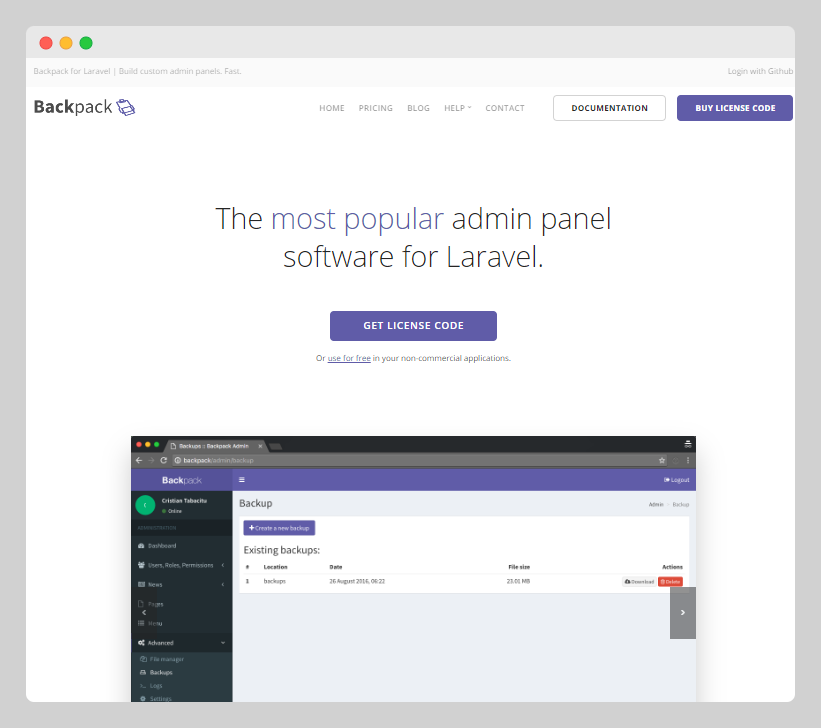
The development process involved rapid prototyping to quickly test the feasibility of solutions, which allowed for quick iterations based on initial feedback. This approach facilitated the creation of "Dick," a more polished version that was eventually open-sourced. Despite its humorous name, the product resonated with a lot of developers due to its simplicity and efficacy, although it faced challenges such as time constraints and a professional name. These challenges were overcome in 2016 with "Backpack," which was streamlined into Composer packages, making it easier for users to pick features and apply updates without disrupting custom code. Building Backpack involved a great deal of effort with initial long working hours, highlighting the complexities of creating open-source software while garnering community involvement to improve and promote the product.
How did Cristian launch Backpack and get initial traction?
Here's how the founder of Backpack for Laravel, Cristian Tabacitu, launched the business and attracted initial customers:
Community Engagement
Cristian utilized popular Laravel communities as a sounding board for his product's existence. He shared Backpack in forums like Laravel News, Laracasts, and relevant subreddits. By tapping into platforms where his potential customers already engaged, he managed to spread awareness organically without a marketing budget.
Why it worked: These platforms housed a concentrated audience of Laravel developers who were already interested in admin panel solutions. Engaging directly with this community allowed Cristian to reach users effectively and authentically.
Word of Mouth
Once a few early adopters in the Laravel community tried out Backpack, word-of-mouth marketing naturally picked up. Developers who found Backpack useful shared their experiences with peers, contributing to a snowball effect.
Why it worked: Developers trusted recommendations from other developers, more so than paid advertising. Since Backpack solved a practical problem for them, they enthusiastically spread the word, driving more users to the product.
Early Product Feedback
Cristian involved potential users in the development process by sharing early iterations and seeking feedback. This iterative approach built a sense of ownership among initial users.
Why it worked: Engaging users in the development cultivated a loyal community that felt connected to the product's evolution. Their direct input ensured the product met real needs, while also fostering a base of early advocates eager to promote it.
What was the growth strategy for Backpack and how did they scale?
Word-of-Mouth and Community Engagement
Backpack for Laravel grew significantly through word-of-mouth. Founder Cristi Tabacitu initially attracted attention by addressing a problem that many developers faced, which gave the product intrinsic value and naturally led users to talk about it. The Laravel ecosystem, known for its supportive and open community, played a crucial role in spreading the word as developers often share tools they find beneficial. The positive experiences developers had with Backpack led them to recommend it to others, helping to foster organic growth.
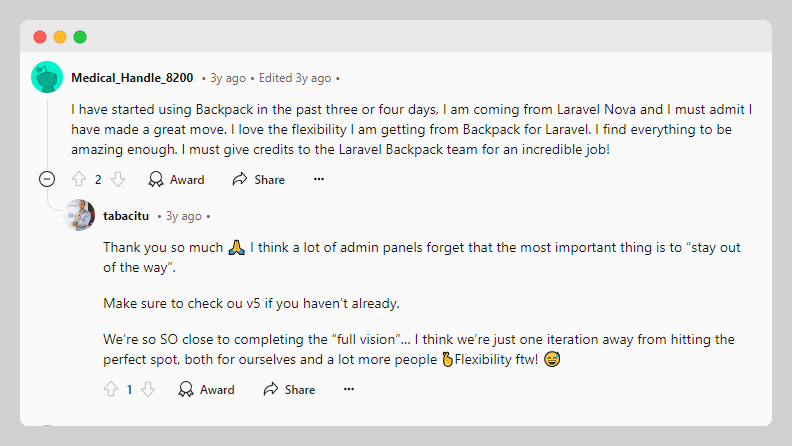
Why it worked: Developers trusted recommendations from their peers, and due to Backpack solving common pain points in developing admin panels, it quickly became a go-to solution. Cristi being an active part of that community, both as a user and creator, bolstered credibility and trust significantly.
Product Launch through Developer Channels
The initial launch strategy for Backpack involved targeting key spaces where Laravel developers gathered. Mentioning Backpack on platforms like Laravel News, Laracasts, and Reddit helped to gain visibility within the developer community without a marketing budget. These environments are where Laravel developers naturally seek out new tools and frameworks, making it an ideal place for Backpack to be highlighted.
Why it worked: By engaging with developers where they were already congregated, Backpack was able to rapidly gain attention. The strategy leveraged existing networks and communities to spread awareness, ensuring the product reached the right audience effectively and efficiently.
Open-Source Contribution and Support
The open-source nature of Backpack encouraged contributions from its user base, with many developers getting involved in building and improving the product. This community-driven approach not only enhanced the feature set of Backpack but also increased user buy-in, as contributors often advocated for and supported software they helped build. Furthermore, this involvement led to indirect promotion as developers shared their contributions and experiences with their networks.
Why it worked: Open-source engagement fostered a sense of ownership and community among users. When developers contribute code or other resources, they are more likely to promote the product to others, enhancing Backpack's visibility and credibility within the developer community.
What's the pricing strategy for Backpack?
Backpack employs an open-core model with a dual-license system, offering their core features for free and charging €19 per project for commercial use.
What were the biggest lessons learned from building Backpack?
- Scratch Your Own Itch: Building Backpack for a market he was part of helped Cristian deeply understand user needs, resulting in a product that resonated well with fellow developers. Navigating into a familiar space proved more successful than previous ventures into unknown markets.
- Prototype and Iterate Quickly: Cristian emphasized starting with a functional prototype, gathering real user feedback, and iterating openly. This lean approach resulted in more valuable software development, focusing on essential features rather than getting lost in design.
- Community Engagement: Backpack's growth was largely driven by community involvement. Emphasizing word-of-mouth and contributions from users built a strong support network and fostered organic growth, demonstrating the importance of nurturing a loyal user base.
- Adapt Your Business Model: Transitioning Backpack to an open-core model with add-on features led to a significant boost in profitability. This switch helped create a sustainable income stream and allowed for expansion, highlighting the importance of revisiting and refining your business approach when needed.
- Balance User Feedback with Practicality: While being responsive to customer needs, it’s crucial not to overcommit to features that only a minority will use. Backpack learned to weigh requests carefully to achieve a mature product without unnecessary complexity, ensuring long-term reliability.
What platform/tools does Backpack use?
Discover Similar Business Ideas Like Backpack
|
|
Idea
|
Revenue
|
|---|---|---|
|
AI quiz generator for educators.
|
$4K
monthly
|
|
|
"AI tool for effortless video content creation."
|
$600K
monthly
|
|
|
AI tool that helps content creators, founders, ...
AI tool that helps content creators, founders, and marketers make VIRAL content & ads with AI while saving 100's of hours per month |
$400K
monthly
|
|
|
"Email signature marketing hub for solopreneurs."
|
$55K
monthly
|
|
|
AI-powered social media carousel creator.
|
$10K
monthly
|
|
|
AI chatbot builder for businesses.
|
$180K
monthly
|
|
|
"Create real-time status pages for seamless cus...
"Create real-time status pages for seamless customer updates." |
$24K
monthly
|




More about Backpack:
Who is the owner of Backpack?
Cristian Tabacitu is the founder of Backpack.
When did Cristian Tabacitu start Backpack?
2016
What is Cristian Tabacitu's net worth?
Cristian Tabacitu's business makes an average of $/month.
How much money has Cristian Tabacitu made from Backpack?
Cristian Tabacitu started the business in 2016, and currently makes an average of .