Warmly
Who are you and what business did you start?
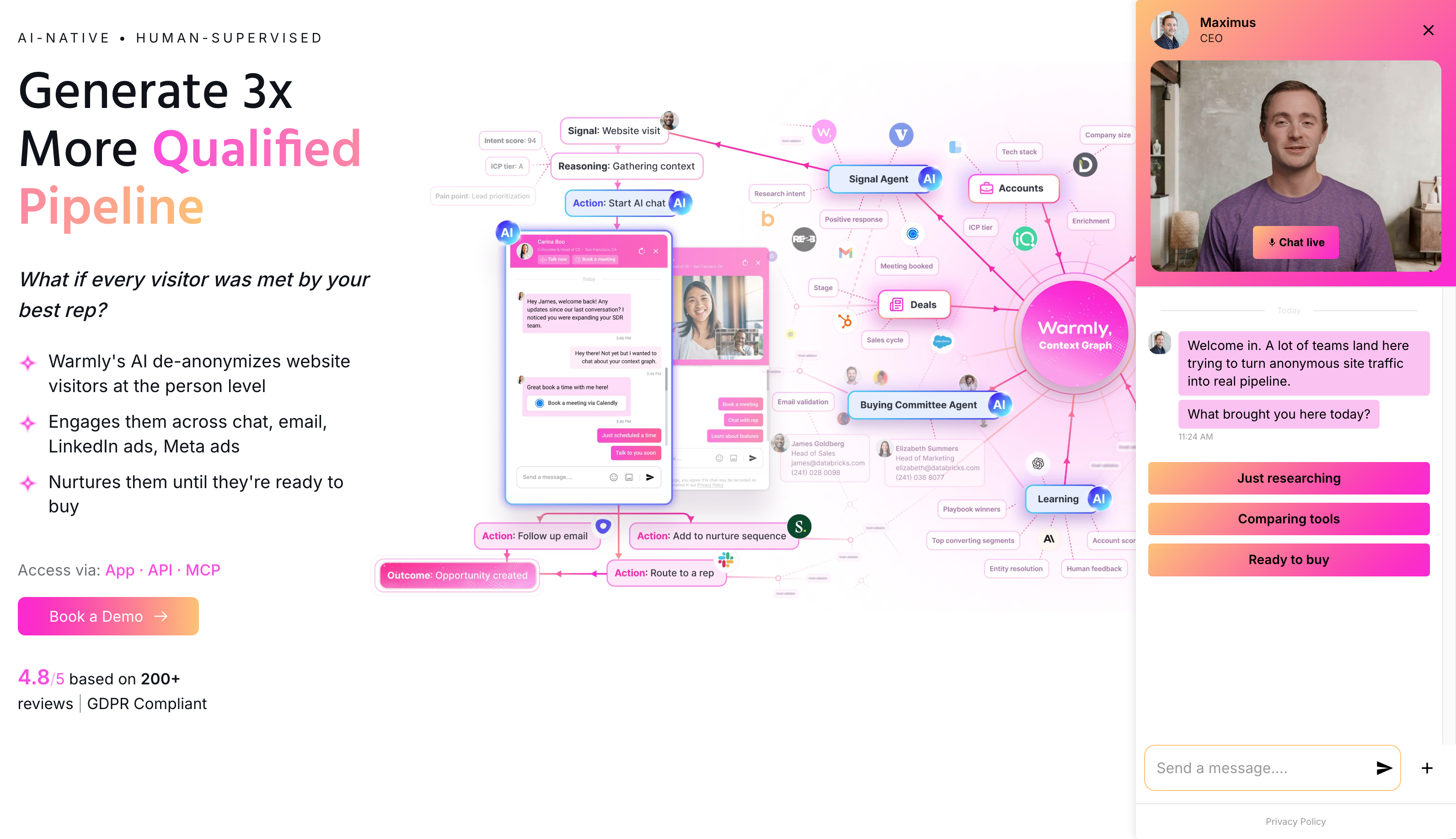
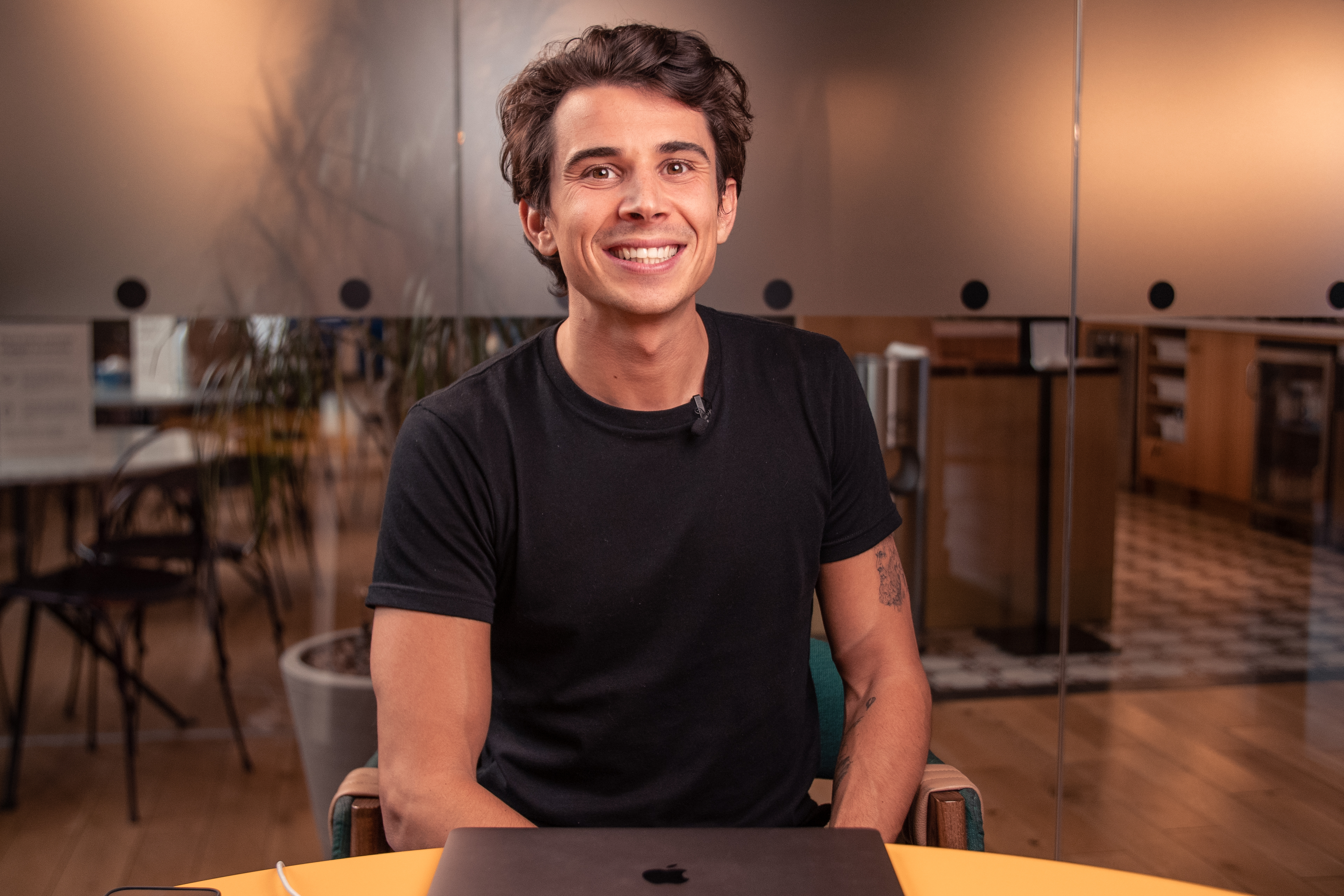
Maximus Ringwald previously worked at Google before founding Warmly. He led the company through multiple pivots over three years, focusing on overcoming product-market fit challenges and aligning with customers for sustainable growth.
How do you come up with the idea for Warmly?
The original idea came from the founders' personal struggle: as Google employees wanting to start a business, they found it difficult to discover co-founders. This inspired the 'Tinder for co-founders' concept, meant to solve the pain point by matching aspiring founders via a swiping app. Their early research consisted of building and shipping the concept to see if people would actually engage, but real-world usage showed neither true desire nor willingness to pay. Their process was hands-on and iterative: try an idea, get it in front of users, gather feedback, and then honestly assess product/market fit. Each failed prototype prompted direct customer interviews and problem-finding, which led to substantial pivots—six in total over three years. Their main lesson was to avoid clinging to failed ideas, run time-boxed 'explore then commit' phases, and seek signals of real demand (actual budget holders willing to pay), not just user enthusiasm.
How did you build the initial version of Warmly?
Warmly's first product—a swiping app for matching startup co-founders—was built by a small founding team shortly after leaving Google in late 2019. Development was digital, primarily leveraging standard app and web development frameworks, though the specific tech stack is not cited. The team moved quickly to a prototype (the 'Tinder for co-founders'), testing it live, and realized it was something users didn't want or pay for. This initial design was rapidly iterated, but each version failed to achieve traction, prompting pivots. Across the following three years, Warmly cycled through at least six distinct product prototypes, including a digital business card product, a LinkedIn job-change tracker for CRM, and a virtual Zoom name tag—each built, tested for user and buyer demand, and iterated or abandoned when results didn't meet expectations. The main challenge was not technical but in searching for something people would actually pay for; the repeated pivots were driven by either poor user adoption or lack of willingness to pay.
What was the growth strategy for Warmly and how did you scale?
Outbound Sales Warmly initially focused on outbound sales, aggressively selling their evolving product even before it was fully refined. They prioritized getting real customers and revenue early, which created momentum and customer learning loops that shaped the product further. Why it worked: This pragmatic sales-first approach generated the "oxygen" (revenue) needed for survival and led to direct customer feedback, accelerating finding product-market fit.
Thought Leadership & Founder-Led Content on LinkedIn Founder Max Greenwald began sharing monthly updates and transparent "Clear" series posts on LinkedIn, reaching thousands beyond just an email list. This 'building in public' approach drove awareness and trust, and engaged a community of prospects, peers, and potential customers who resonated with Warmly's journey and candor. Why it worked: Authenticity and public learning attracted inbound interest, expanded their network, and reinforced Warmly's brand among its target B2B audience.
Product-Led Lead Generation (Dogfooding) As Warmly's product matured, the company used its own platform for generating and identifying warm leads, which now drives about 45% of their own revenue. By demonstrating the tool’s value through their own pipeline, they showcased real efficacy to potential customers. Why it worked: Using the product themselves offered a credible demonstration and case study, converting prospects who sought evidence of real-world value.
What were the biggest lessons learned from building Warmly?
One key lesson is that momentum often precedes perfection and is critical to maintaining team enthusiasm. Another is that focusing too heavily on standard product-market fit metrics can mislead founders away from what truly matters, like actual revenue. Finally, brand is the last defensible moat in B2B SaaS and is a function of reputation built by what customers say about you.
What platform/tools does Warmly use?
Discover Similar Business Ideas Like Warmly






More about Warmly:
Who is the owner of Warmly?
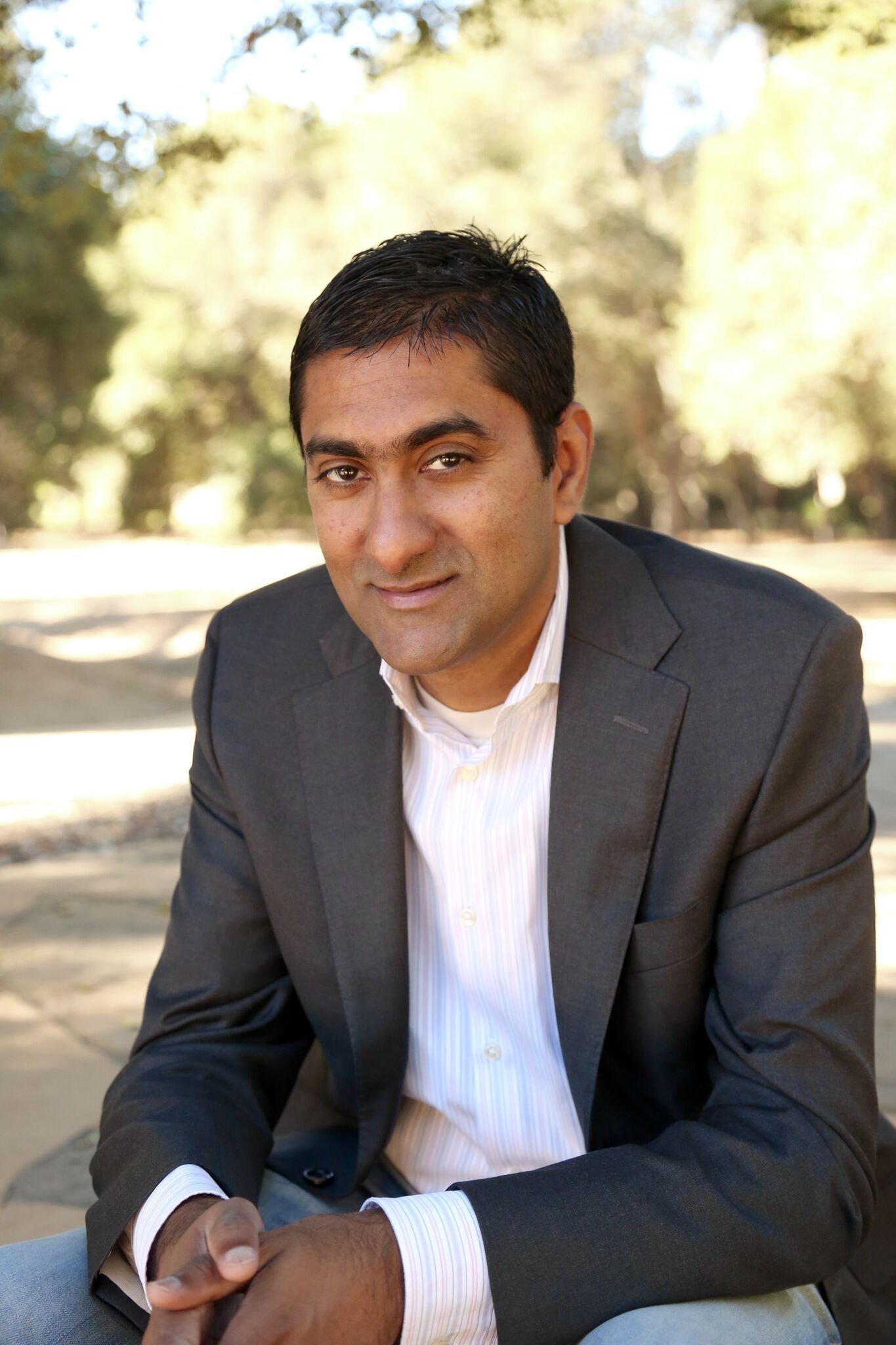
Keegan Otter is the founder of Warmly.
When did Keegan Otter start Warmly?
2023
How much money has Keegan Otter made from Warmly?
Keegan Otter started the business in 2023, and currently makes an average of $3.2M/year.
More Case Studies Like This



Starter Story × HubSpot
Free tools for every part of your business.
Find customers, win deals, and automate the busywork with HubSpot's free tools.