My Code Templates Make $20K/Month
Who are you and what business did you start?
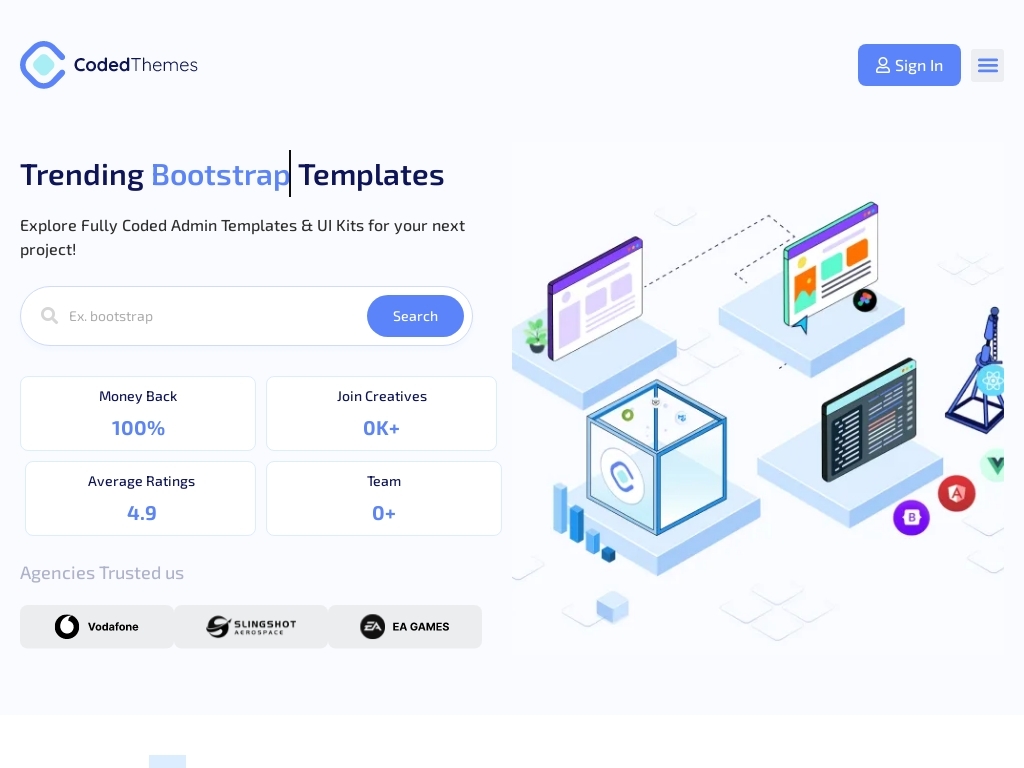
Hi, I’m Rakesh Nakrani, the co-founder of CodedThemes. At CodedThemes, we create premium admin dashboard templates, UI kits, and landing page templates designed for developers, designers, and businesses building modern web applications. Our templates are built using popular technologies like Bootstrap, React, Angular, and Vue, making them easy to customize and integrate into any project.
What makes CodedThemes stand out is our commitment to design excellence and functional performance. We don’t just create templates that look good - we build solutions that help developers save time and focus on delivering projects faster. Our customers appreciate the clean code structure, flexibility, and comprehensive documentation that makes customization a breeze. Whether you're a solo developer, a design agency, or an enterprise team, our templates provide a strong foundation for your web projects.
Today, CodedThemes generates around $20K monthly in revenue, and we’ve proudly served over 200K customers, including companies like Vodafone, EA Games, and Stanford University.
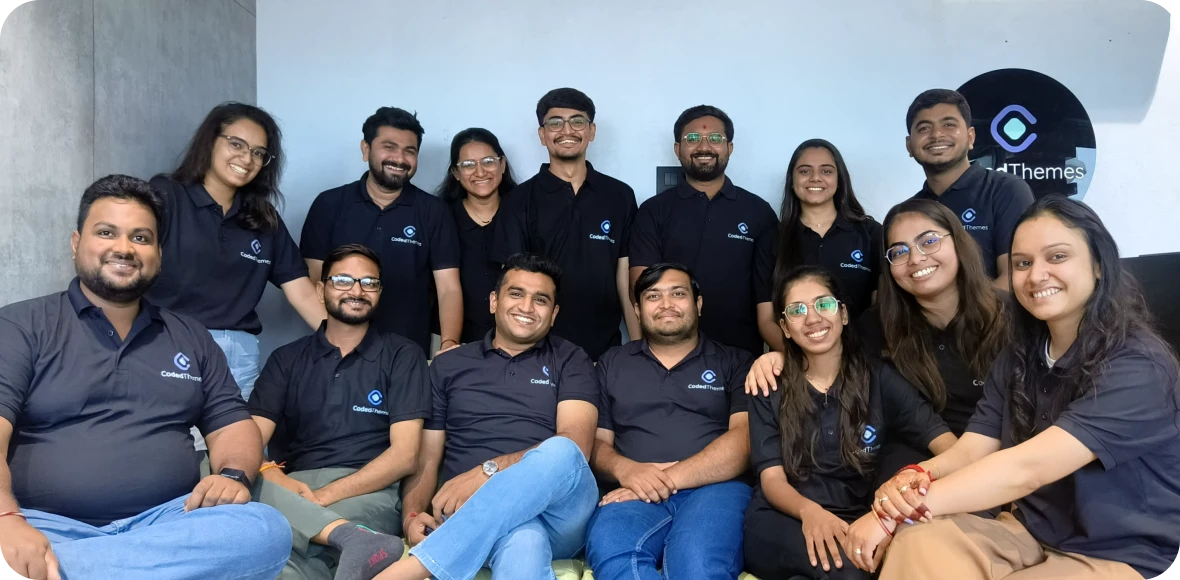
CodedThemes Team
How do you come up with the idea for CodedThemes?
The idea for CodedThemes came from my personal experience as a UI/UX designer and front-end developer.
In 2013, I started building web templates and quickly realized a growing demand for ready-to-use admin dashboards and UI kits. Developers and businesses needed high-quality templates to speed up their projects, especially when building internal tools, SaaS platforms, or CRM systems.
The real "aha" moment came in 2015 when I began selling my templates on popular marketplaces like Envato and WrapBootstrap. The sales were promising, but I noticed a major pain point - high platform commissions and limited control over my own products and branding.
That’s when I realized there was an opportunity to launch my own store, where I could offer a curated collection of templates directly to customers, while also building a community around my brand.
Unlike other ideas I considered - like WordPress themes or niche landing pages - I felt a strong connection to admin templates. This was where my passion and expertise truly aligned. Plus, the demand for flexible, developer-friendly dashboards kept growing, which gave me confidence that I was working in the right niche.
With a background in UI design, front-end development, and customer support, I knew I could deliver both aesthetically pleasing and technically strong products.
To validate my idea, I analyzed marketplace trends, talked to existing customers, and collected feedback from developers to understand exactly what they were looking for. When we launched CodedThemes in August 2017, the response was positive - that early traction validated my belief that focusing on admin templates was the right move.
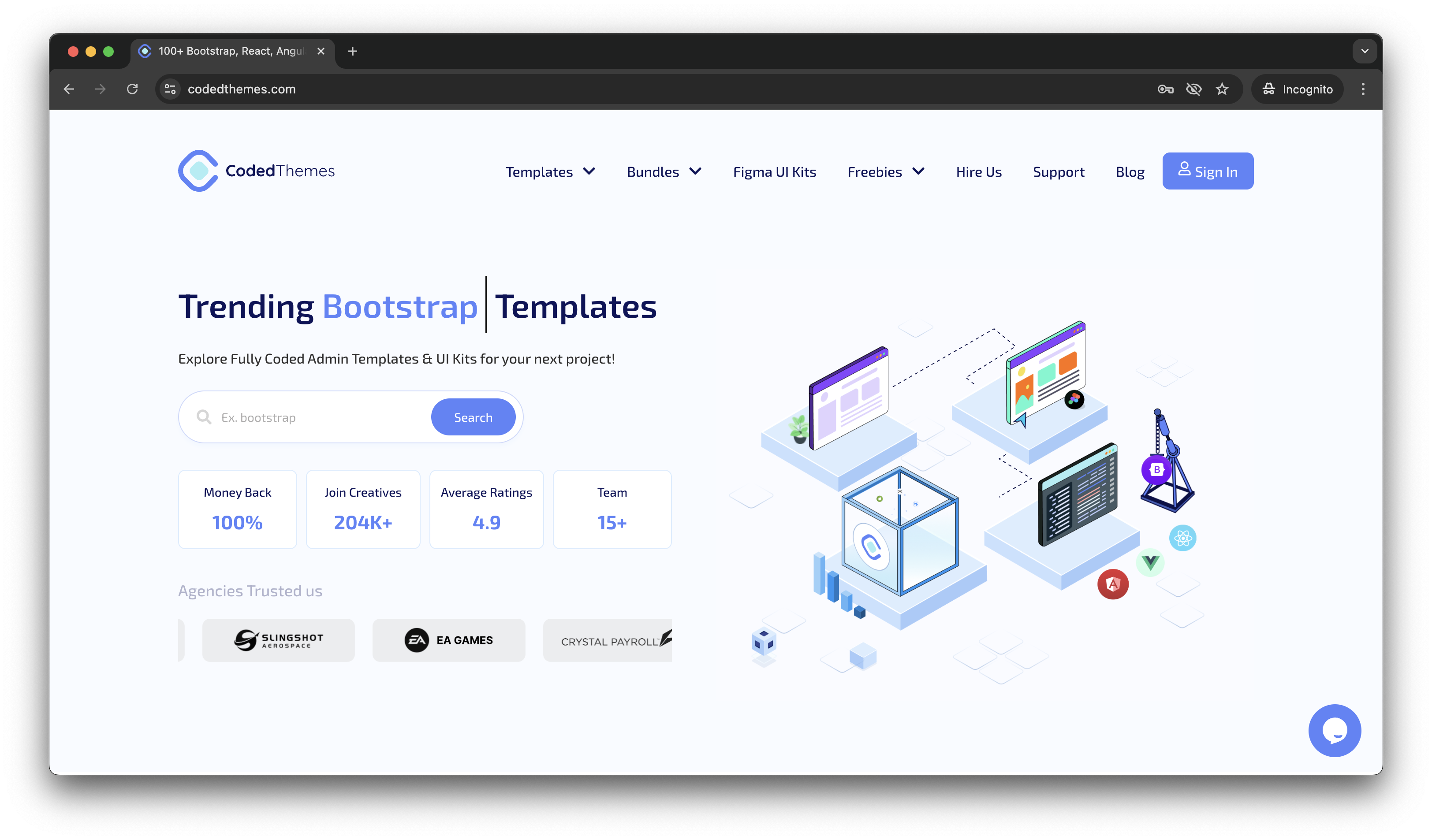
CodedThemes Store
How did you build the initial version of CodedThemes?
The first step in building CodedThemes was deciding to focus on admin templates - a niche we already had experience in. I started by analyzing the best-selling templates on Envato and WrapBootstrap, noting design patterns, features, and common customer pain points. With that research, I created a basic wireframe for our first product, Able Pro, using Figma for design and Bootstrap 4 for development.
The initial costs were minimal - around $100 for domain and hosting, $300 for some design assets and tools, and a lot of my time. Since it was a bootstrap project, I funded everything from personal savings.
The business model was simple — one-time product sales with regular updates and customer support, and that has stayed mostly the same with some expansions into subscription-based UI kits.
We used Bootstrap, HTML, CSS, jQuery, and Gulp to develop the first version, which took around 2 months to complete. The process was challenging but exciting — balancing design, code, and figuring out customer needs all at once was tough, but seeing the product live on our own website made it worth it.
How did you launch CodedThemes and get initial traction?
We officially launched CodedThemes by releasing our first product, Mash Able, on ThemeForest. Listing it on such a large marketplace gave us instant visibility, as Envato already had a built-in audience of developers and designers looking for high-quality templates.
At the same time, we created a simple landing page website for CodedThemes to showcase the template and share updates.
Our main strategy was leveraging Envato’s exposure, combined with content marketing - writing blog posts about dashboard design trends, and sharing in niche Facebook groups, design communities, and developer forums.
The response was better than expected. Mash Able got a couple of sales within the first week, which was a huge confidence booster. We saw customers appreciated the clean design and flexibility, but they also had feature requests - which became valuable input for our future updates.
The biggest lesson from the launch was: that understanding your audience’s needs matters more than flashy marketing. We focused on the developer experience, and that paid off.
Our first sale came within 3 days, and that moment was pure validation - it was proof that someone found value in our work. Over the next month, word-of-mouth and customer reviews started driving organic sales. That first sale taught me that good products combined with listening to customers can build long-term trust and revenue.
What was the growth strategy for CodedThemes and how did you scale?
Growing CodedThemes has been a combination of organic SEO, community engagement, and smart email marketing strategies.
From day one, we believed that SEO would be the most sustainable growth channel for our business. Our website is optimized for keywords that developers and businesses search for - terms like “Bootstrap Admin Dashboard,” “React Templates,” and “Dashboard UI Kits.” This focus on organic traffic brings in a consistent flow of qualified leads every month.
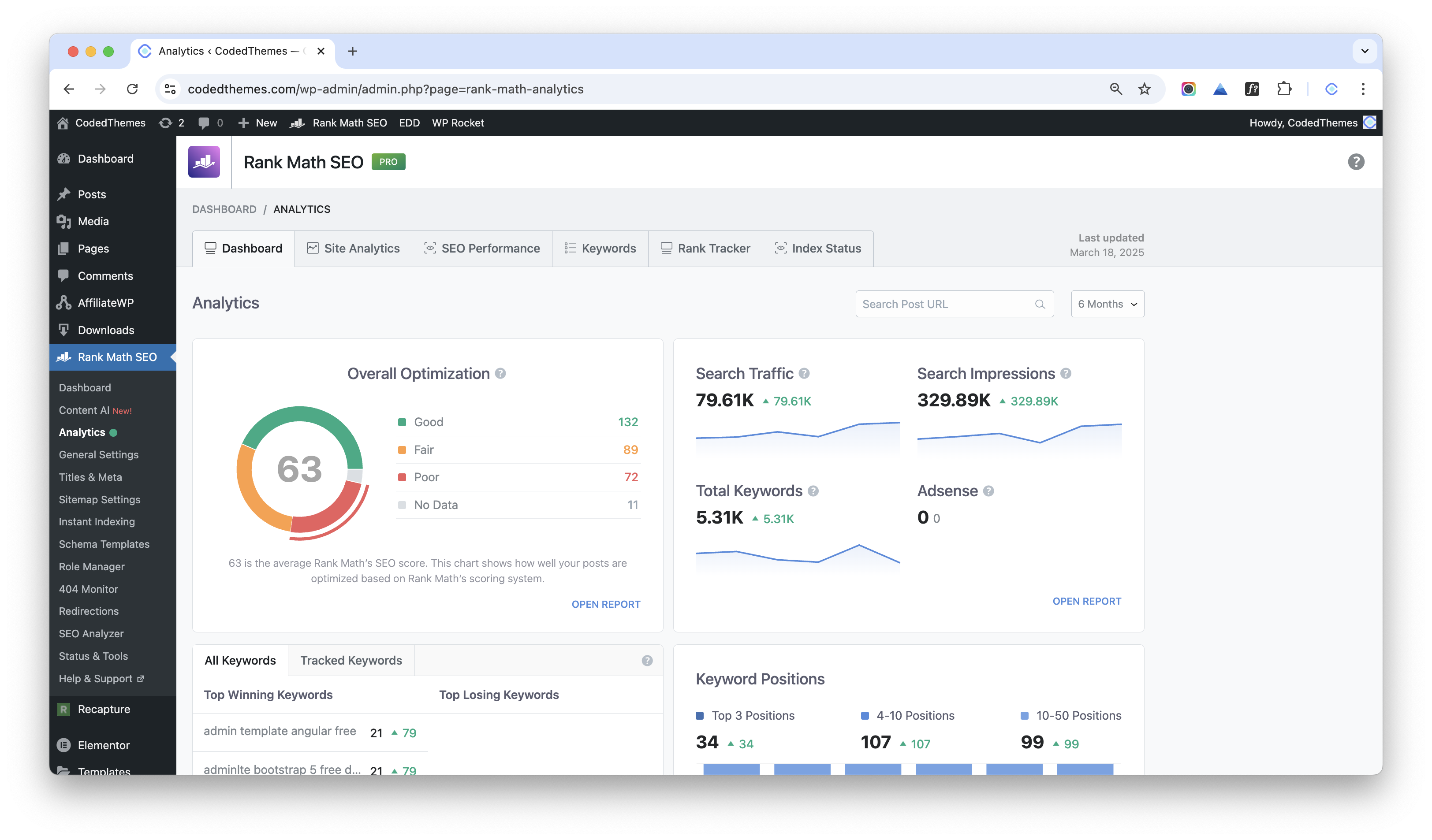
SEO Analytics
On the social media side, we maintain a presence on Instagram and LinkedIn, but our biggest wins come from developer-focused platforms like Dev.to, Dribbble, and Reddit. These platforms allow us to directly engage with developers and designers, which is exactly our target audience. We share product announcements, tips, and even behind-the-scenes content to build authenticity and trust.
One successful strategy we use is newsletter marketing to our freebie users. When users download our free templates, they are added to our email list. We regularly send them valuable content - from tutorials and product updates to exclusive discounts on our premium templates.
We also use A/B testing for subject lines and email content to improve open rates and conversions. Tracking UTM tags helps us monitor where our best traffic comes from, allowing us to double down on high-performing channels.
One of our biggest lessons has been: to focus on platforms where your audience already hangs out. That’s why Dev.to, Reddit, and Dribbble work well for us - they’re natural homes for developers and designers.
For aspiring entrepreneurs, my advice is: don’t chase every channel - experiment, track your results, and focus on 2-3 channels where you see traction. Also, build a direct line to your customers - a strong email list is one of the best assets you can own.
Game-Changing Growth with Material UI Store
In 2021, we entered the Material UI Store and launched Berry Dashboard, a top-tier UI experience built on Material UI components. This was a game-changing moment for us! The Material UI Store only allows top-quality authors, and we were honored to be among them.
A year later, we launched Mantis Dashboard, targeting enterprise customers. Both products quickly gained traction, earning 4.8/5 ratings and becoming customer favorites. To date, over 7,000 customers have used these dashboards in their projects.
Material UI Store gave us the wings to fly, taking us beyond regular growth and into a new level of industry recognition.
What were the biggest lessons learned from building CodedThemes?
Starting and scaling CodedThemes has been a journey filled with lessons, mistakes, breakthroughs, and constant learning. One of the biggest mistakes we made early on was building products purely based on our instincts, without collecting enough real-world feedback from the community.
We focused too much on what we thought customers wanted, rather than asking them directly. This lack of feedback left us flying blind when it came to product roadmaps, updates, and features. Another missed opportunity was underestimating the power of email outreach. We built a strong freebie user base, but failed to nurture them into paying customers early on - something we actively fixed later.
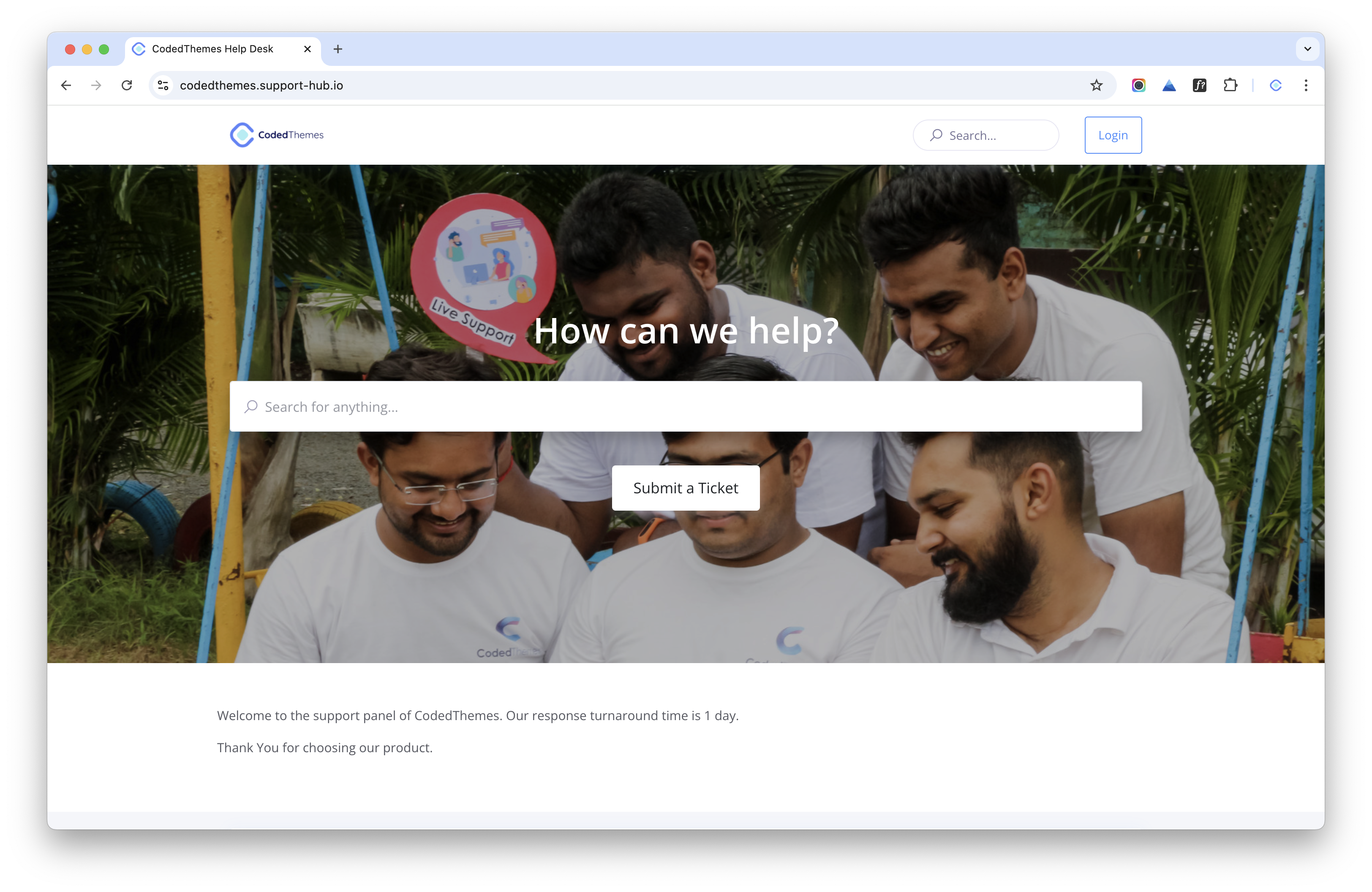
Support Desk
One of the best decisions we made was to build an ecosystem around each product, not just the product itself. We improved our presale process, and ensured every product had well-crafted landing pages, proper documentation, video tutorials, and a streamlined support process. We also made sure to offer freebies to potential customers so they could experience our quality before committing to a paid purchase. This holistic approach strengthened our reputation and boosted customer trust.
Timing and trends also played in our favor. When Bootstrap 5 was still in beta, we were one of the first to release a complete dashboard template, which gave us an early mover advantage. Staying on top of tech trends and building for popular frameworks like React, Angular, and Vue also ensured we were always relevant to what developers needed.
The most important lesson we learned? Don’t wait. There’s no perfect time to act. If you delay product updates, ignore trends, or skip user feedback - your competitors will catch up fast. We also learned that customer feedback is gold. Before adding major features, we now ask our users directly to make sure it solves their real pain points.
If I had to give one piece of advice to new entrepreneurs, it would be: focus on fewer products but go all-in on quality. I see too many creators blindly copying trends or launching products without a clear vision for support, marketing, or long-term updates. Treat every product like a living entity - nurture it, refine it, and most importantly, listen to your customers.
At CodedThemes, we’re not perfect - we’re constantly evolving - but after 10+ years in this space, we know that adaptability, community focus, and quality over quantity are what makes a sustainable business.
What platform/tools does CodedThemes use?
CodedThemes Acquisition: How much did CodedThemes sell for and what was the acquisition price?
🚀 As of now, CodedThemes is still independently owned and operated. We are continuously growing, evolving our products, and serving a global community of developers and designers.
While we’ve received some interest from potential acquirers, our current focus remains on expanding our product lineup, strengthening our customer relationships, and staying ahead of industry trends. However, we are always open to opportunities that align with our vision and values.
Discover Similar Business Ideas Like CodedThemes




More about CodedThemes:
Who is the owner of CodedThemes?
Rakesh Nakrani is the founder of CodedThemes.
When did Rakesh Nakrani start CodedThemes?
2017
How much money has Rakesh Nakrani made from CodedThemes?
Rakesh Nakrani started the business in 2017, and currently makes an average of $240K/year.
More Case Studies Like This





Starter Story × HubSpot
Free tools for every part of your business.
Find customers, win deals, and automate the busywork with HubSpot's free tools.