How We Built a Profitable SaaS That Connects Stripe Revenue Data to HubSpot
Who are you and what business did you start?
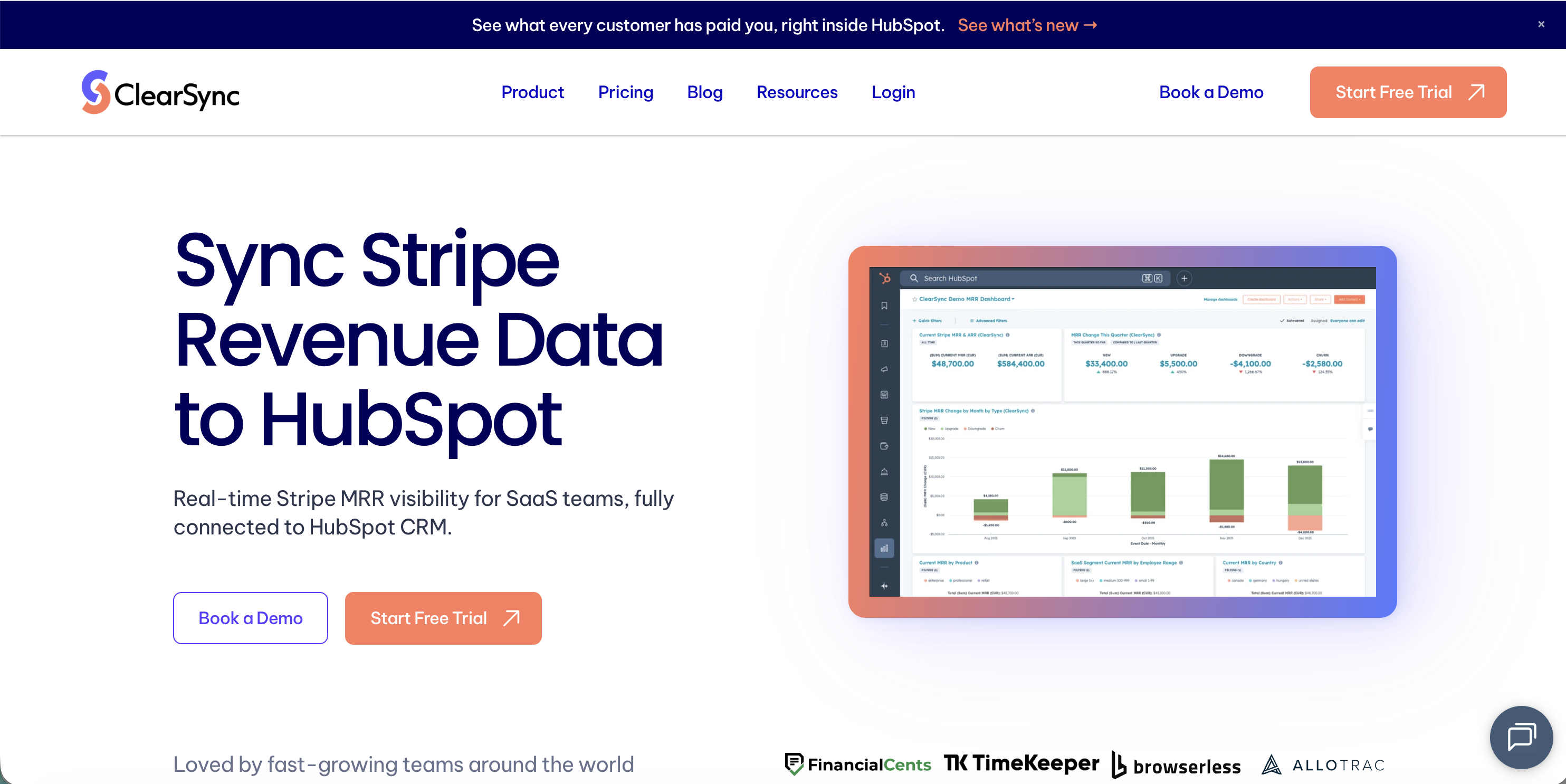
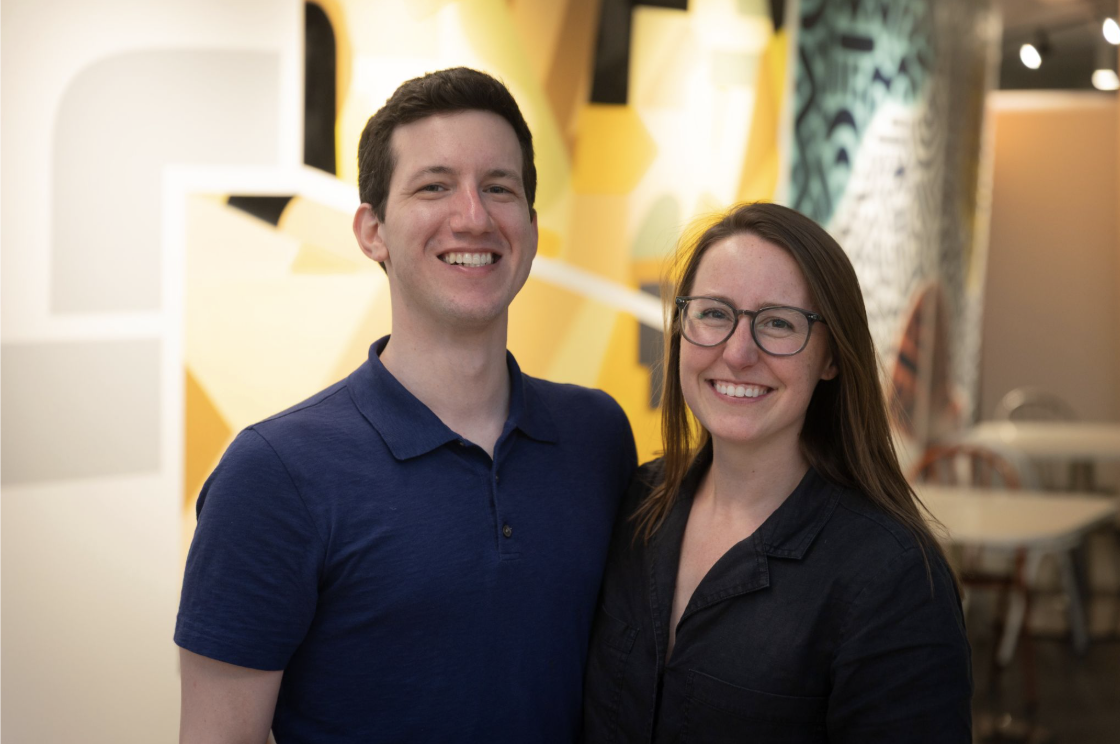
We're Rachel Decker and Joss Poulton, cofounders of ClearSync. We help GTM teams take action on their Stripe revenue data in HubSpot. We're former HubSpotters who have been supporting, building, and using HubSpot since 2011, so we know HubSpot customers and their problems really well.
Our customers are B2B SaaS companies that bill in Stripe and run their go-to-market in HubSpot, usually PLG or a mix of self-serve and sales-assisted. Their founders, RevOps, finance, and CS teams want to know who upgraded, who downgraded, who's about to churn, and what MRR actually did last month, without exporting spreadsheets or hiring a data team. That's what ClearSync does for them.
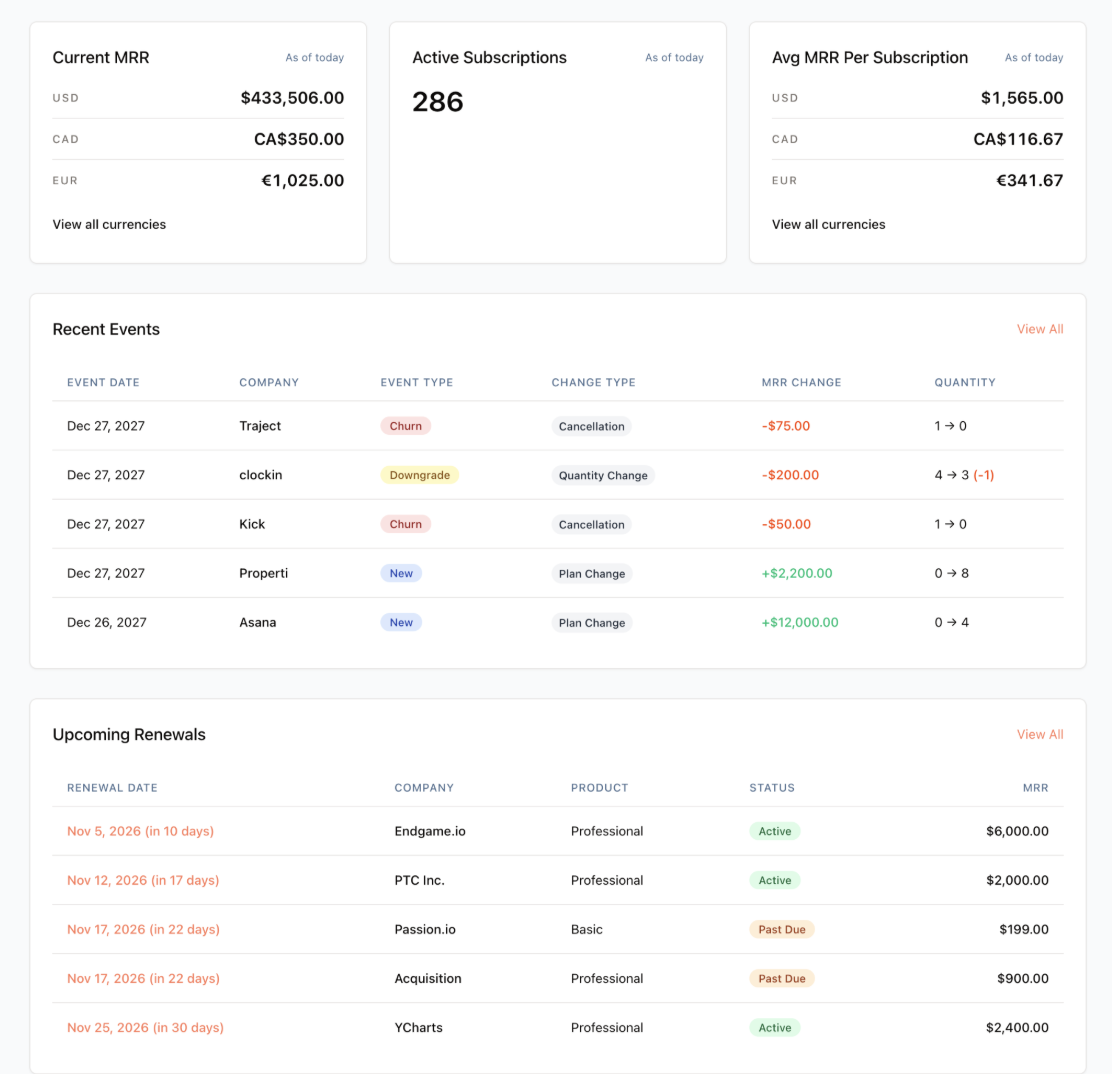
Most Stripe and HubSpot integrations treat the systems they build on as ancillary and just copy over a snapshot of a few current fields onto the wrong HubSpot objects. We deeply understand the needs of our customers, how they want to use the data, and how Stripe and HubSpot's data models work. We rebuild a full MRR history, so every new subscription, upgrade, downgrade, and cancellation shows up in HubSpot next to the customer it belongs to. Marrying revenue data with customer data gets the right numbers to the right people, and they can report on it and build workflows from it. There are tons of edge cases and data integrity decisions you need to make when building something like this and we've accounted for them.
We're profitable and fully bootstrapped.
How do you come up with the idea for clearsync.ai?
When Joss and I started talking about bootstrapping a company together, we researched a few ideas and kept coming back to one Joss had been living with for 15 years.
Joss has run RevOps at multiple PLG companies and kept hitting the same issues trying to see revenue data in the CRM. He kept seeing the product team pick Stripe for billing and GTM teams pick HubSpot, but nobody could get the subscription data into the CRM easily. There was no revenue context alongside the customer context that the GTM teams needed. We always say: "How can you do RevOps if there is no revenue source of truth in your CRM?" And there was no good solution on the market.
Since we're former HubSpotters who know the platform, its partners, and its customers, we decided to play where we have an unfair advantage. Joss is an archetype of our ideal customer and knows the pains and the market inside and out. My background is product and UX research, so I know how to turn a problem into a product. With all of this together, we knew this idea was a good fit for us.
We validated it the scrappy way: vibe coding a prototype and trying to sell it before it was really production-ready. We had a ton of great, actionable conversations getting feedback on our idea and building a prototype before it was ready for prime time.
How did you launch clearsync.ai and get initial traction?
Our launch was getting approved on the HubSpot App Marketplace in September 2025 and announcing it on LinkedIn. Joss and I shared it with our networks, and because a lot of our former HubSpot colleagues and RevOps friends knew exactly how annoying this problem is, the response was really warm.
We got some decent traction on our launch on the HubSpot marketplace, but the first dollar came from AI search. HubSpot's AEO tool recommended a content gap around a question people were asking LLMs about Stripe and HubSpot, so I wrote a piece to answer it properly. About three months later, someone asked ChatGPT about Stripe revenue data in HubSpot, ChatGPT pointed them to our blog, and they signed up. It was amazing. From then on, I decided to focus on AEO as a cornerstone of our strategy, and it has worked.
The launch taught me a couple of things:
A marketplace listing gives you credibility and a place to send people, but it's not a distribution plan on its own. We expected more from it than it gave us, and I'd plan for that up front next time.
Content, on the other hand, compounds slowly and then all at once. Three months felt like a long time, but our content is still a cornerstone strategy. It also brings in better leads. People who find us through an LLM are already prequalified, because their search was so specific and personalized to their needs that they show up ready to use what was recommended to them.
What was the growth strategy for clearsync.ai and how did you scale?
Over the last year, about half of our customers came from organic search, LLMs, and YouTube. The rest came from our HubSpot network, partner referrals, the HubSpot Marketplace, and LinkedIn.
Our biggest channels are organic and AEO. We use HubSpot's AEO tools to see which buyer questions we're invisible for in AI answers, then write content that answers those questions directly.
Comparison content has been important. Our most-cited pages compare the different ways to connect Stripe and HubSpot, including the options that aren't us. We say plainly that HubSpot's free Stripe app is a great fit if you mostly sell one-time products. Buyers trust the truth, and so do LLMs.
YouTube content also works well for us. We made a video about HubSpot's free Stripe app because there was no information about it online, and we didn't even know much about it. We created that content, and it has genuinely helped people and generated leads for us. People find us through videos like that and they come away seeing us as a trusted source of expertise.
The people who buy ClearSync are RevOps and GTM folks who research carefully before they commit to anything that touches revenue data. They ask Google and ChatGPT detailed questions, so our job is to have the most honest, specific answer out there.
My advice for other founders is to track the source on every deal because you can't double down on what you can't see. Ask every new customer how they found you. AI referrals don't always show up in click data, but when we started asking, more people said an LLM pointed them to us than our analytics suggested.
What were the biggest lessons learned from building clearsync.ai?
First, we expected more good-fit distribution from the marketplaces than we got. We assumed being listed on the Stripe and HubSpot marketplaces would bring a steady stream of good-fit customers. It brought installs, but many of them weren't the PLG or hybrid SaaS companies ClearSync is built for. The listings give us credibility and are a consistent channel for discovery, but not conversion.
Building on an ecosystem also means you're always catching up. HubSpot and Stripe ship constantly, and every time they release something new on the revenue side, we have to figure out what it means for our customers and our product. You don't control the roadmap you're building on, so we treat each release as a reason to update our content and talk to customers about what changed.
We should have hired a real engineer earlier. I built a lot of the early product myself with AI coding tools. Vibe coding gets you about 80% of the way, but that last 20% is tough, and I held on too long because I wanted to figure it out myself. I should have spent more of my early time focused on marketing and sales.
Finally, cofounder fit is key. Joss has lived the customer's problem for 15 years, and I've spent my career figuring out how to turn problems into products. We are close friends who trust each other completely, which makes decision-making fast and easy.
The mistake I see most often is founders building a product before they deeply understand the problem underneath it. "Just sync Stripe to HubSpot" sounds simple and isn't, thanks to discounts, proration, upgrades mid-cycle, and every other real-world edge case. Find a problem that looks easy from the outside and is hard on the inside, especially one you or your cofounder have personally lived.
Discover Similar Business Ideas Like clearsync.ai
|
|
Idea
|
Revenue
|
|---|---|---|

Collaborative video gifting tool
vidday.com
Video maker for celebrations, collaborative videos, and digital gifts.
|
Video maker for celebrations, collaborative videos, and digital gifts. |
$80K /mo |

Marketplace for hiring professional bands, DJs & musicians
fixthemusic.com
|
Marketplace for hiring professional bands, DJs & musicians |
$100K /mo |

Instagram messages without the feed, reels and explore.
konvoinstall.com
|
Instagram messages without the feed, reels and explore. |
$10K /mo |

Affordable web design agency
aundigital.ae
Affordable web solutions specializing in UAE startups.
|
Affordable web solutions specializing in UAE startups. |
$20K /mo |
|
The Global Drone Service Foundation. DJI drone repair & refurbishment specialist. |
$2.8K /mo | |

Affordable stylish eyewear
specscart.co.uk
Fastest Growing Eyewear Brand in the UK
|
Fastest Growing Eyewear Brand in the UK |
$350K /mo |
|
Eclipse is B2B content infrastructure for agencies: research to CMS publish plus AI visibility. |
$8K /mo |

More about clearsync.ai:
Who is the owner of clearsync.ai?
Rachel Decker is the founder of clearsync.ai.
When did Rachel Decker start clearsync.ai?
How much money has Rachel Decker made from clearsync.ai?
Rachel Decker started the business in , and currently makes an average of .
More Case Studies Like This




Starter Story × HubSpot
Free tools for every part of your business.
Find customers, win deals, and automate the busywork with HubSpot's free tools.