How Robby Russell Built Oh My Zsh To A Global Community Project Used By Thousands

Who is Robby Russell?
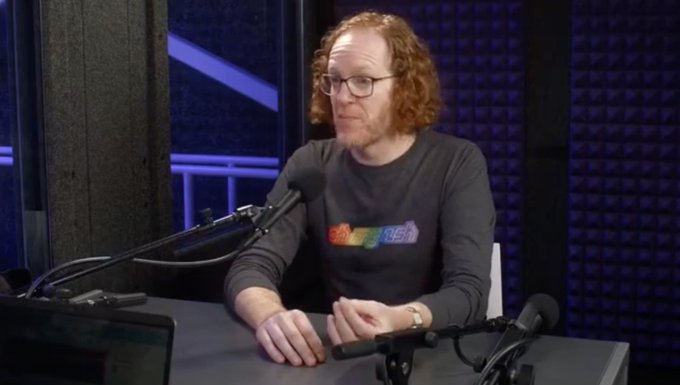
Robby Russell is a software developer originally from Gilroy, California, who dropped out of high school, eventually finding his way into the tech industry in Portland, Oregon. Despite a non-linear path that included painting houses and working in IT support, he ultimately founded the web consultancy Planet Argon and created the popular open-source project Oh My Zsh, building a strong reputation in the tech community.
Robby Russell
What problem does Oh my zsh solve?
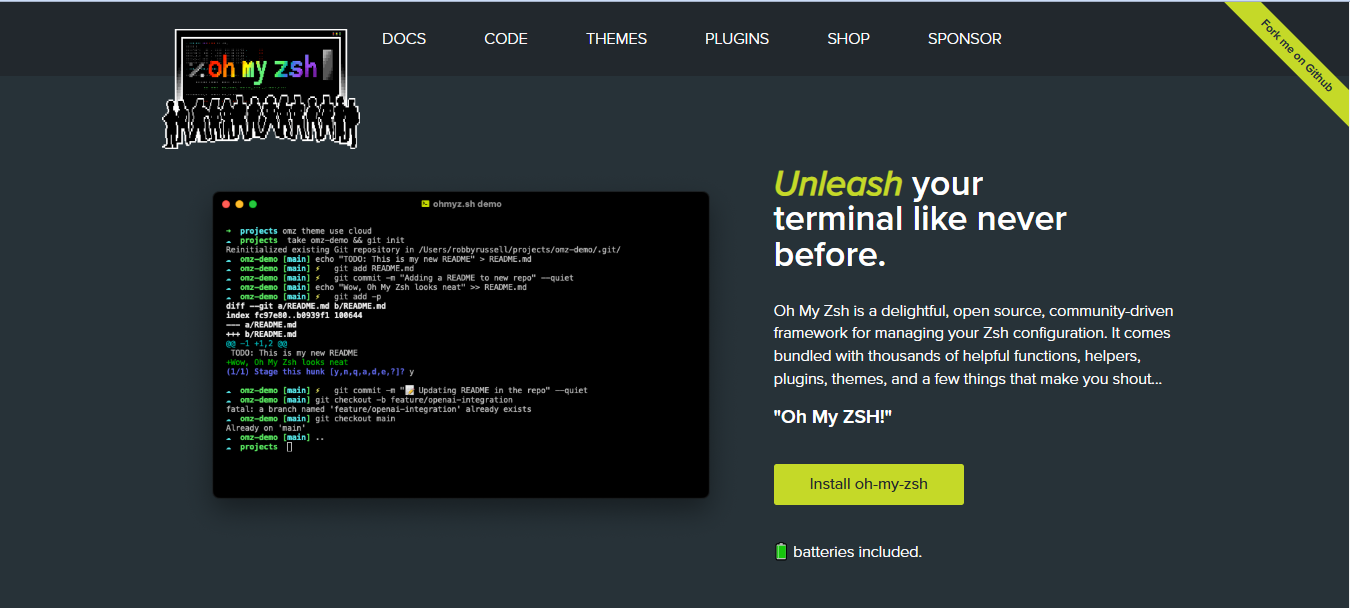
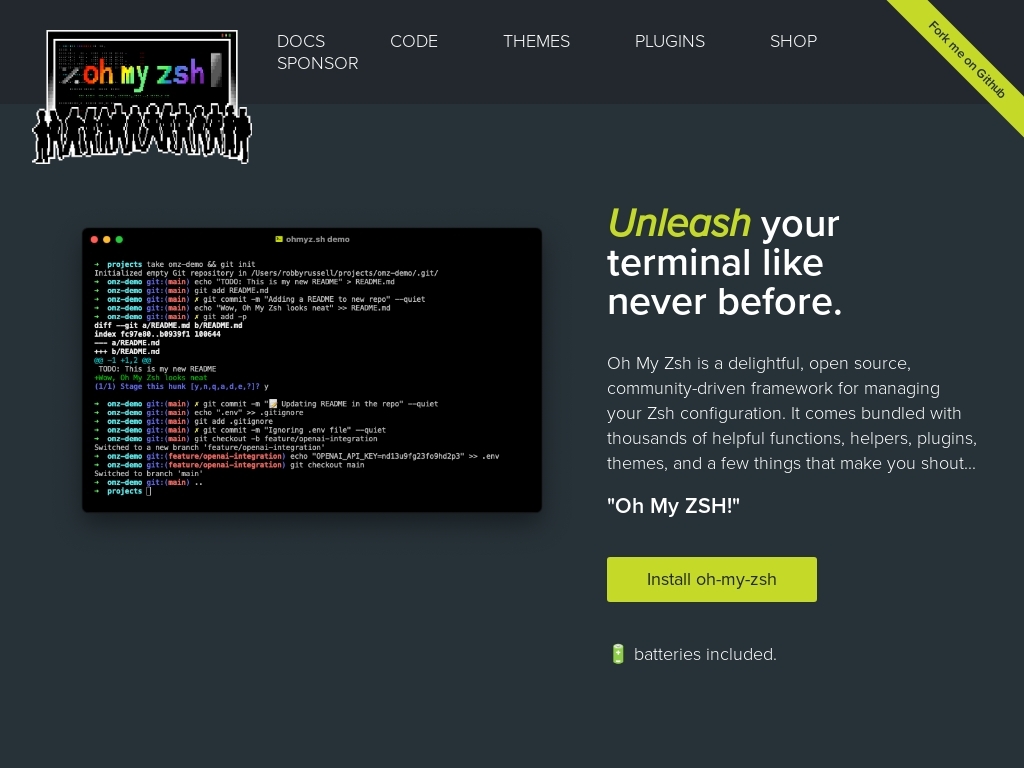
Oh My Zsh solves the problem of a cumbersome and unintuitive command line experience, making it far more customizable, efficient, and visually appealing for developers who often find the default terminal experience lacking. Its huge range of plugins and themes simplifies and enhances the terminal use, allowing developers to work more comfortably and impressively.
Homepage
How did Robby come up with the idea for Oh my zsh?
Robby Russell, the creator of Oh My Zsh, stumbled upon this idea while working with his colleagues, who were initially reluctant to switch to the Zsh shell despite its advantages. Through his interactions, he recognized an opportunity to simplify the transition for them, as their unfamiliarity with terminal commands was hindering productivity. To address this, Robby reorganized his tangled Zsh configuration files and created documentation to aid understanding among his coworkers.
Wanting to make adoption smoother and more collaborative, he set up a Git repository to enable his peers to contribute and personalize their setups without disrupting others. Robby's project quickly gained traction as he shared it with the Ruby on Rails community, which led to diverse contributions that enriched the tool with a variety of themes and plugins. His approach was always collaborative, aiming to keep the process casual and straightforward, welcoming input from others. Initially an internal team solution, Oh My Zsh grew organically into a widely adopted tool among developers, reinforcing the idea that even small, community-driven initiatives can have a significant impact.
How did Robby Russell build the initial version of Oh my zsh?
Oh My Zsh, an open-source dev tool created by Robby Russell, began as a simple, organized Zsh configuration file around August 28, 2009. It quickly evolved as Robby and his Ruby on Rails coworkers at Planet Argon shared and customized shortcut settings, leading to the introduction of features such as themes and plugins. Robby initially structured his .zshrc file into smaller, manageable files and turned it into a Git repository for easy collaboration, which soon became a community project beyond its original intent as coworkers started requesting customization options. Within months, the project snowballed, attracting contributions from the community, rapidly growing to over 60 themes and plugins. Surprisingly, Robby embraced the growing community, allowing the project to flourish through contributions while maintaining its core of making the terminal experience friendly and accessible for all users.
How did Robby launch Oh my zsh and get initial traction?
Community Outreach
To launch Oh My Zsh, Robby Russell started by sharing his Zsh configuration with coworkers who were unfamiliar with the Zsh shell. He engaged with them through informal conversations and showed them how much easier Zsh made their terminal experience. This interaction served as the initial word-of-mouth promotion, which quickly spread among his peers in the Ruby on Rails community.
Why it worked: This approach created a personal connection to the product, making it more relatable and accessible. By demonstrating the value of Zsh through direct experience, Robby effectively convinced his coworkers to adopt it.
GitHub Launch
Robby eventually decided to publish his Zsh configuration as an open-source project on GitHub, naming it "Oh My Zsh." This move was significant as it allowed others to contribute and improve the framework. Within a short period, the project began attracting attention from other developers, which rapidly increased its visibility.
Metrics:
- Within the first few months of launching on GitHub, Oh My Zsh garnered around 1,000 stars.
- In the first year, more than 100 contributors participated in enhancing the framework, leading to a steady stream of improvements and extensions.
Why it worked: By leveraging GitHub's platform, Robby tapped into an existing community of developers eager to collaborate on open-source projects. The repository’s format encouraged contributions, thus creating a sense of ownership among users, which in turn fostered community growth.
Blogging and Documentation
In parallel to his GitHub efforts, Robby began blogging about Oh My Zsh's features, setup instructions, and potential uses. This content not only provided clear documentation for users but also promoted the project to a wider audience. It established a knowledge base that people could refer to, increasing confidence in adopting Oh My Zsh.
Metrics: - Robby's blog posts attracted several thousand views within the first few months. - His visibility as a tech blogger helped Omy Zsh evolve into a niche resource for Zsh configurations, attracting hundreds of regular visitors.
Why it worked: His commitment to providing clear, helpful content meant that users had assistance in navigating the complexities of Zsh, making adoption more appealing. The combination of technical documentation and personal storytelling engaged users and encouraged them to share their experiences.
Social Media Engagement
Utilizing platforms like Twitter, Robby actively shared updates about Oh My Zsh, engaged with the community, and invited feedback. This engagement helped create a closer relationship with users, driving further interest and collaboration on GitHub.
Metrics: - Within a year, his Twitter account related to Oh My Zsh gained over 10,000 followers. - Regular interactions led to numerous pull requests and contributions, significantly growing the project’s repository and community involvement.
Why it worked: By maintaining a consistent social media presence, Robby kept the community informed and invested, helping to sustain interest and encourage collaboration on improvements and features. This engagement built a vibrant community around Oh My Zsh.
Overall, Robby's strategy focused on community engagement and collaboration from the very beginning, using personal anecdotes, social platforms, and blogging to create momentum for Oh My Zsh. This grassroots approach built a loyal user base and established an inviting atmosphere for contributions.
What was the growth strategy for Oh my zsh and how did they scale?
Community and Open Source
Oh My Zsh primarily grew through its strong open-source community. Initially, it began as Robby Russell's personal configuration for the Zsh shell, which he shared with his colleagues. This configuration file was improved by organizing it and putting it into a GitHub repository. Open-source contributors began submitting plugins and themes, expanding its functionality. This ease of contributing allowed the project to scale quickly.
Why it worked: Oh My Zsh leveraged the power of community collaboration. By being open-source on a platform like GitHub, it invited many developers to contribute. These contributions helped in the rapid expansion and improvement of the software, creating a tool that has something for everyone.
Word of Mouth and Developer Advocacy
While there wasn’t a focused marketing strategy, the word-of-mouth within developer communities significantly boosted Oh My Zsh’s popularity. Developers recommended it to their peers, and coding schools began introducing their students to it as a way of familiarizing them with the command line.
Why it worked: Trust and recommendation are strong influencers within tight-knit communities like software development. When a tool solves real problems and word spreads through peer advocacy, it speaks volumes about its utility and effectiveness.
Blogging and Online Content
Robby blogged about Oh My Zsh early in its lifecycle, reaching audiences already interested in similar developer tools. His blog posts educated potential users on how to maximize the tool's utility, catalyzing broader adoption.
Why it worked: Quality content that showcases usage scenarios and educational guidance can draw in users who are not just looking for a tool but also an easy way to implement it. Blogging created another touchpoint for developers searching for ways to streamline their workflow.
Product Design
Oh My Zsh was designed to be feature-complete from the start, meaning it could immediately add value as soon as installed. It incorporated an auto-update feature, ensuring users always had the latest updates and improvements with minimal effort.
Why it worked: By focusing on a strong first user experience and ease of updating, users were more likely to stay engaged. Having new features and bug fixes arrive automatically ensured the framework continued to provide value over time.
What's the pricing strategy for Oh my zsh?
Oh My Zsh is a free, open-source framework that enhances your Zsh terminal with themes and plugins, making it user-friendly and aesthetically customizable without direct monetary costs.
What were the biggest lessons learned from building Oh my zsh?
- Embrace Community Contributions: Oh My Zsh's growth was fueled by open community contributions, which enhanced the tool with numerous plugins and themes. By encouraging and accepting user input, Robbie harnessed the collective creativity and needs of developers worldwide.
- Keep Things Simple for Accessibility: Robbie resisted complicating Oh My Zsh with advanced features to ensure it remained accessible for beginners. This decision widened its appeal and made it a go-to choice for developers new to the command line.
- Adapt Based on Feedback: When themes and plugins were requested by users, the project adapted to these demands, allowing it to serve a broader audience. Flexibility and responsiveness can turn a small project into a widely-used tool.
- Balance Personal Life and Open Source: Despite Oh My Zsh's popularity, Robbie maintains that it's not his top priority, demonstrating the importance of finding balance and not letting a side project overshadow other life commitments.
- Make It Fun: From ASCII art to humorous readme files, adding elements of fun kept the project engaging and approachable, fostering a community that is vibrant and welcoming for contributors.
Discover Similar Business Ideas Like Oh my zsh






More about Oh my zsh:
Who is the owner of Oh my zsh?
Robby Russell is the founder of Oh my zsh.
When did Robby Russell start Oh my zsh?
2009
What is Robby Russell's net worth?
Robby Russell's business makes an average of $/month.
How much money has Robby Russell made from Oh my zsh?
Robby Russell started the business in 2009, and currently makes an average of .