How a Solo Founder Built Hyperping to $15K MRR in 7 Years

Who is Léo Baecker?
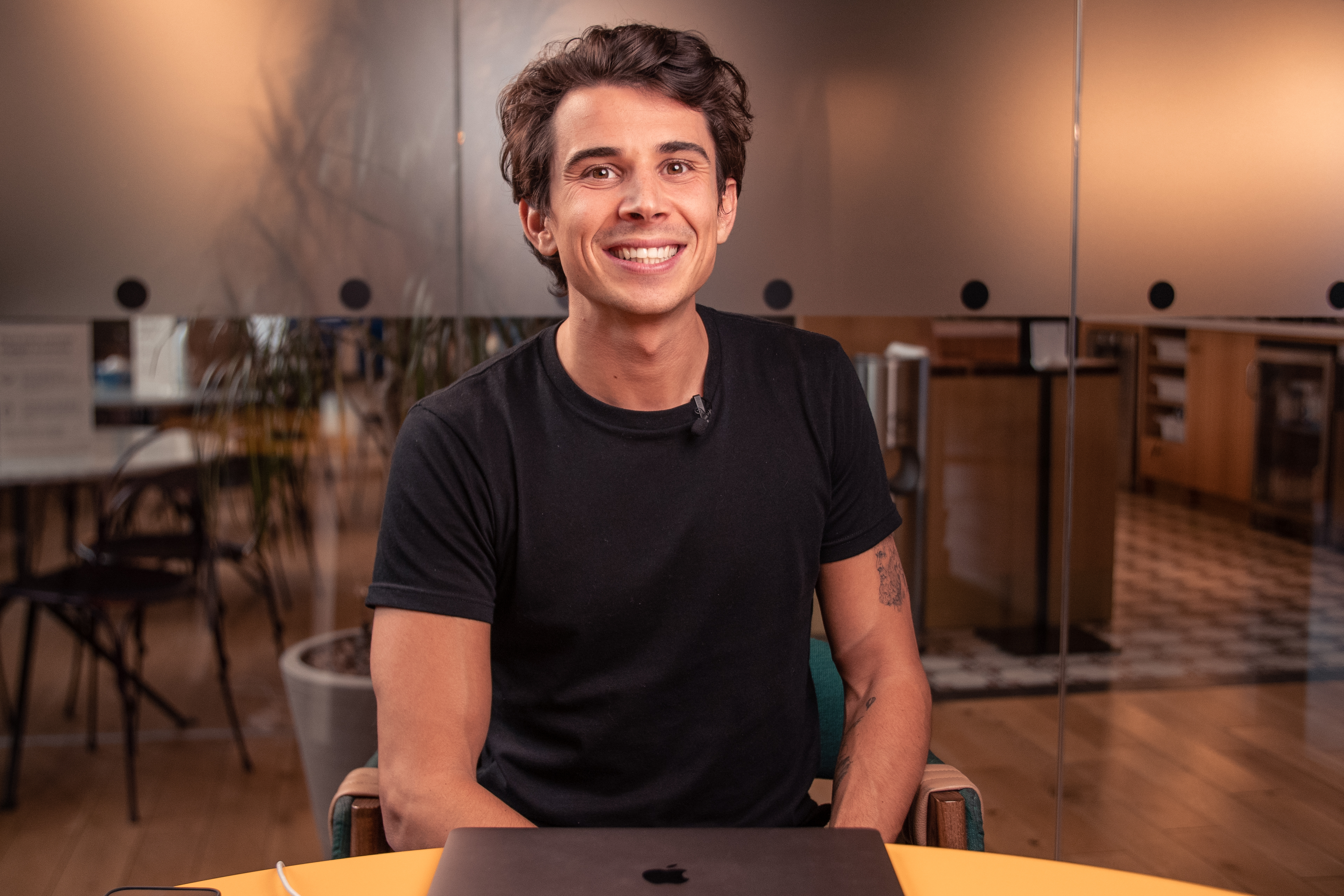
Léo Baecker, the founder of Hyperping, is a resilient entrepreneur from Paris, France, who began his journey into software engineering and startups at the age of 16 after facing challenging personal circumstances, eventually building his successful monitoring tool through strategic transparency and community engagement.
What problem does Hyperping solve?
Hyperping solves the critical issue of unexpected website downtime by providing reliable monitoring and instant alerts, allowing businesses to address problems swiftly and maintain customer trust.
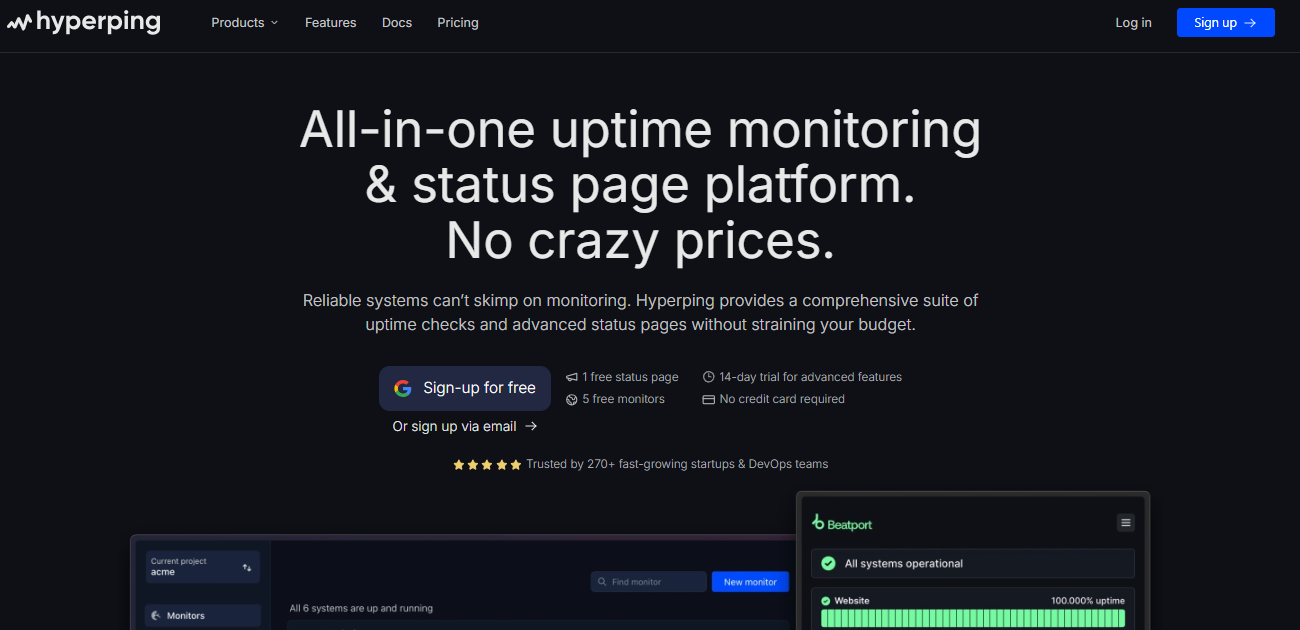
Hyperping Homepage
How did Léo come up with the idea for Hyperping?
The idea for Hyperping was sparked by a keen awareness of businesses' need to monitor online services and ensure minimal downtime. The founder, Leo Baecker, observed that many companies struggled with unexpected outages and the lack of immediate notifications, which inspired him to create a tool that could offer peace of mind. His personal experience with coding and product development, coupled with the challenges he faced with stability in web services, drove him to pursue a solution.
Leo's thought process involved developing a Minimum Viable Product (MVP) within a strict timeframe, leveraging community and user feedback to refine his vision. Despite facing initial setbacks, he adopted a transparent and iterative approach, sharing his progress openly with fellow creators to gather valuable insights. This not only helped in shaping Hyperping but also fostered a sense of community and engagement, which was crucial in validating and perfecting the final product.
Throughout the ideation phase, Leo remained committed to agility and responsiveness, emphasizing personal interactions to better understand user needs. This hands-on approach enabled him to overcome early challenges, gradually building a product that directly addressed a critical business pain point. The journey underlined the importance of persistence, real-world feedback, and adapting to user demands, all of which were central to the success of Hyperping.
How did Léo Baecker build the initial version of Hyperping?
Building Hyperping was a meticulous process carried out predominantly by Léo Baecker, the founder, who embarked on this solo venture in 2017 without external funding. Baecker employed a tech stack centered around web technologies to create the uptime monitoring tool, leveraging his skills as a front-end engineer. The initial prototype of Hyperping followed the Minimum Viable Product (MVP) framework, allowing for swift development and iterative improvements based on user feedback, all within a strict three-month timeline. The journey, however, was fraught with challenges, particularly in balancing the full-time job while refining Hyperping's features and ensuring robustness. Baecker emphasized transparency and community engagement during the build, using platforms like Product Hunt for public launches, which further helped in validating the product through real-world user feedback.
How did Léo launch Hyperping and get initial traction?
Hyperping was launched on Product Hunt, where it gained over 600 upvotes and reached the number three position on launch day, attracting thousands of visitors and converting many into paying customers. The launch was supported by marketing strategies including offering a 30% discount coupon and active community engagement.
What was the growth strategy for Hyperping and how did they scale?
Product Hunt
Hyperping's launch on Product Hunt was pivotal. It drew significant attention, receiving over 600 upvotes and reaching the #3 spot on the day's leaderboard. This platform was instrumental in validating the product idea and bringing in thousands of visitors, leading to numerous sign-ups and conversions to paid users.
Why it worked: Product Hunt is a community that values innovation and new tech products. Launching here allowed Hyperping to tap into a large audience of early adopters and tech enthusiasts actively looking for new solutions, giving the product vital exposure and social proof.
Building in Public
Léo Baecker, the founder, adopted a "building in public" strategy. He shared Hyperping's development process and engaged with the maker community on platforms like wip.chat. This transparency allowed for real-time feedback and adjustments, fostering a community around the product even before it fully launched.
Why it worked: Building in public cultivates trust and authenticity. It allows potential users to feel part of the journey, increasing their emotional investment in the product. The feedback and support from this engaged community are invaluable for iterative development and fostering a loyal user base.
Personal Engagement & Customer Loyalty
Léo personally connected with users, understanding their needs and solving their issues. This hands-on approach helped in building strong relationships with customers and driving loyalty. He offered a 30% discount for six months post-launch, which incentivized early adoption and subscription, ensuring a stable revenue flow.
Why it worked: Personal engagement showcases commitment and care to customers, which is key to retention. By directly addressing user concerns and fostering open communication, Hyperping built a community of loyal users who felt valued and invested in the product.
Open Startup Transparency
Hyperping operates as an open startup, sharing detailed financial data, including revenue and expenses. This transparency not only enhances trust with users but also stands as a testament to Hyperping's commitment to authenticity and reliability.
Why it worked: Transparency in operations builds trust and credibility among current and potential customers. This practice differentiates Hyperping from competitors, demonstrating confidence in their service and forming a deeper connection with the audience through openness.
What's the pricing strategy for Hyperping?
Hyperping employs a subscription-based pricing model, offering tiered plans starting at $10 per month, while openly sharing company metrics and offering transparency.
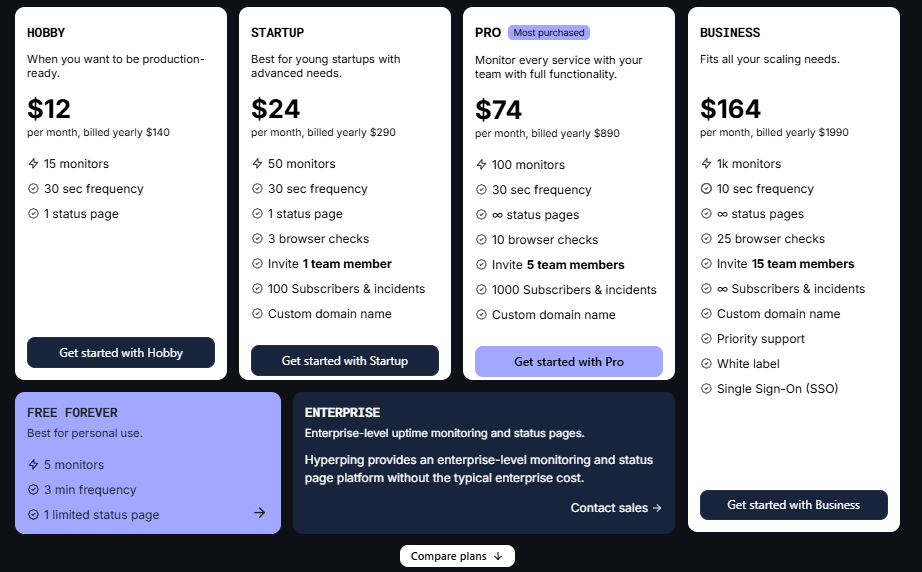
Pricing
What were the biggest lessons learned from building Hyperping?
- Bootstrap Success: Hyperping thrived without external funding, highlighting the power of self-funding in maintaining agility and focus on users. Even without venture capital, the company scaled to $11K MRR by carefully considering every business move.
- Transparent Operations: Openness about financials and challenges built trust with users. Sharing revenue numbers publicly as an open startup enhances credibility and attracts loyal customers who value transparency.
- Community Engagement: Engaging with users and the maker community allowed for real-time feedback, aiding product refinement. Building in public view and being part of communities helped Hyperping keep its offerings aligned with customers' actual needs.
- Innovative Marketing: Launching on Product Hunt and sharing progress online facilitated substantial growth. These strategic releases drew attention and converted interest into paying customers, boosting Hyperping's reputation and revenue.
- Resilience and Adaptability: Leo's journey from personal hardships to business success underscores the importance of persistence. Embracing setbacks and strategically adapting plans like using MVPs proved crucial in overcoming early failures.
What platform/tools does Hyperping use?
Discover Similar Business Ideas Like Hyperping







More about Hyperping:
Who is the owner of Hyperping?
Léo Baecker is the founder of Hyperping.
When did Léo Baecker start Hyperping?
2017
What is Léo Baecker's net worth?
Léo Baecker's business makes an average of $11K/month.
How much money has Léo Baecker made from Hyperping?
Léo Baecker started the business in 2017, and currently makes an average of $132K/year.