How Chris Poka Grew a Productized Service to $10K MRR

Who is Chris Poka?
Chris Poka, founder of Designpulse, hails from a small village in Hungary and has a background in product design, specializing in using no-code platforms to help non-technical founders build SaaS MVPs efficiently.
What problem does Designpulse solve?
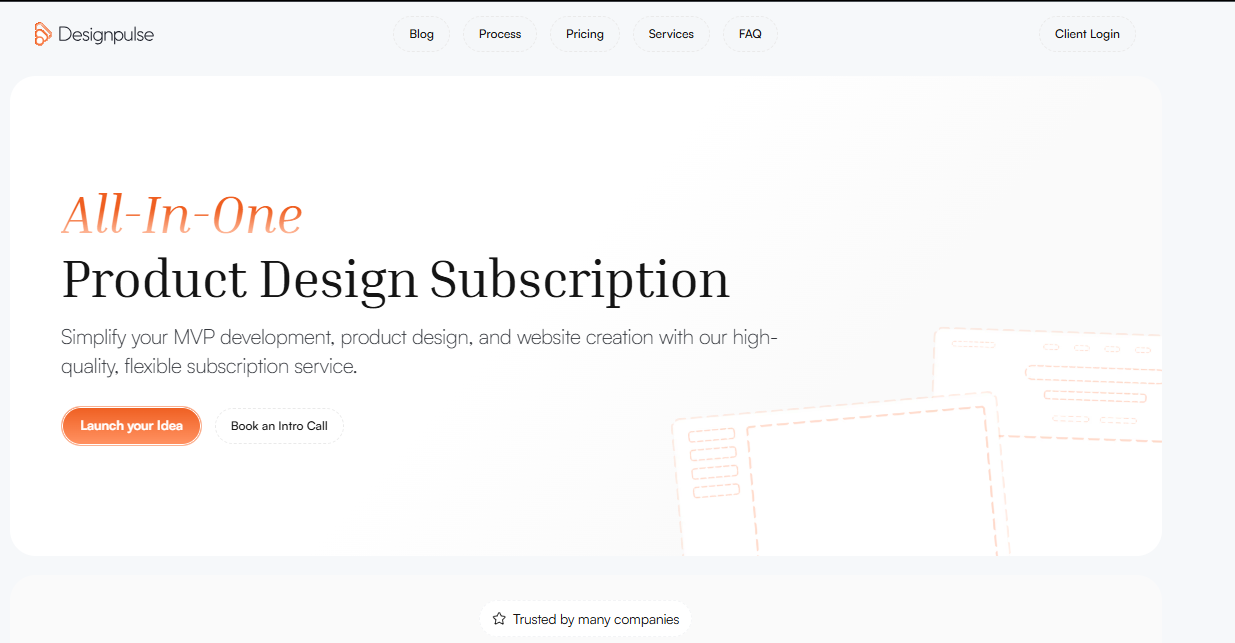
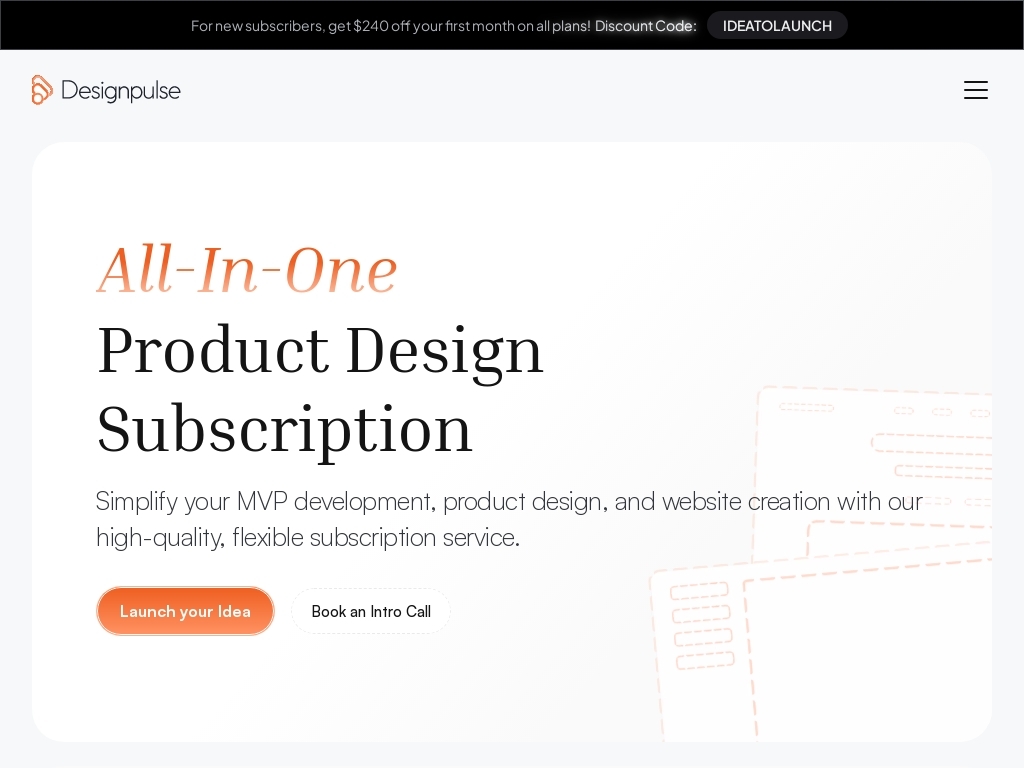
Designpulse solves the hassle of slow, costly design and development by offering businesses unlimited, rapid, no-code solutions at a predictable monthly cost.
Design Pulse Pricing
Founder-Market Fit
Skills
What skills did Chris Poka have that led to their success?
How did Chris come up with the idea for Designpulse?
Chris Poka's journey to founding Designpulse began with an observation during his time running a Bubble agency. He noticed many Bubble agencies neglected the importance of UI/UX design, sparking his interest in learning and mastering design tools like Figma. Driven by the need for a stable cash flow model, Chris was inspired by a business model he encountered on Twitter, which involved offering subscription-based design services.
Before diving into this new venture, Chris took time to assess the market's readiness and suitability for a productized service approach. This included studying successful examples, like Brett's model from DesignJoy, to understand its viability and potential challenges. He strategically combined his design passion with a novel business model to create a service that addressed the gap in UI/UX design for no-code platforms.
Chris started Designpulse with minimal funds, facing the challenge of sustaining himself while building the business. Despite financial constraints, he meticulously refined his service by leveraging feedback from early adopters. Through persistent effort and iteration, Chris learned that responding to market needs and creating a system that ensures client satisfaction are crucial steps in transforming an idea into a successful business.
How did Chris Poka build the initial version of Designpulse?
Chris Poka leveraged Bubble, a no-code platform, to quickly create the first version of Designpulse, a productized service offering unlimited design and development on a subscription basis. The initial MVP of the internal software was developed in just a few days, allowing for basic client management, task tracking, and communication. This MVP was simple but effective, enabling clients to create tasks and receive status updates via email. Over time, Chris iterated on this platform, integrating advanced features like an onboarding system and project creation capabilities. Despite his lack of traditional coding skills, the process was driven by his intense work ethic, clocking up to 16 hours a day, and overcoming challenges such as limited initial capital and the steep learning curve of building a repeatable business model.
What were the initial startup costs for Designpulse?
- Personal Savings: Chris Poka started with about $1,500 in his bank account which he used to cover living expenses while he worked to establish Designpulse.
What was the growth strategy for Designpulse and how did they scale?
Designpulse tapped into Twitter as a primary channel for acquiring their first clients and continued using it to drive growth. Chris Poka, the founder, leveraged the platform's conversational style by engaging directly with potential clients via direct messages and also by sharing insights and updates on the business journey. This approach helped establish trust and demonstrate expertise, leading to strong client relationships and consistent revenue growth.
Why it worked: Twitter's open and direct communication style allowed Chris to engage with potential customers authentically. By sharing the company’s process and progress, he built a trustworthy image that resonated with startups seeking design services. The platform’s network effect enabled him to reach a large audience with minimal costs.
LinkedIn emerged as another significant channel for Designpulse’s customer acquisition strategy. It served as a professional network where Chris could connect with businesses interested in design and development services. The platform facilitated direct communication through messages and connections, and it helped him position Designpulse as a serious player in the business design service space.
Why it worked: LinkedIn is a platform heavily frequented by professionals looking for business solutions, making it ideal for acquiring B2B clients. Chris utilized it to build professional relationships and establish credibility, leading to trust and client conversions. Being active and posting updates also allowed him to consistently reinforce the brand’s value proposition in a professional context.
Productized Services Model
Adopting a productized services model was key to Designpulse’s growth. By offering design services on a subscription basis with features like unlimited revisions, Chris provided a clear and attractive offering to potential clients. This model appealed to businesses looking for predictable costs and reliable design services, ensuring a steady stream of recurring revenue.
Why it worked: The productized service model simplified pricing and expectations, reducing the usual friction found in traditional agency setups. Businesses appreciated the clear value and predictable costs, which facilitated easier decision-making and long-term client retention. By guaranteeing a set standard of service with unlimited revisions, clients felt more confident in their investment.
Building in Public
Building in public proved to be a unique strategy in Chris’s arsenal. By openly sharing the journey, challenges, and successes of Designpulse via social media, Chris was able to create a sense of transparency and community around the brand. This openness invited engagement from a curious audience, fostering trust and word-of-mouth referrals.
Why it worked: Building in public created a narrative that pulled potential clients in, forging a personal connection to the brand's story. This transparency not only built trust but also encouraged clients and followers to become ambassadors, spreading the word about Designpulse and indirectly contributing to its growth.
What's the pricing strategy for Designpulse?
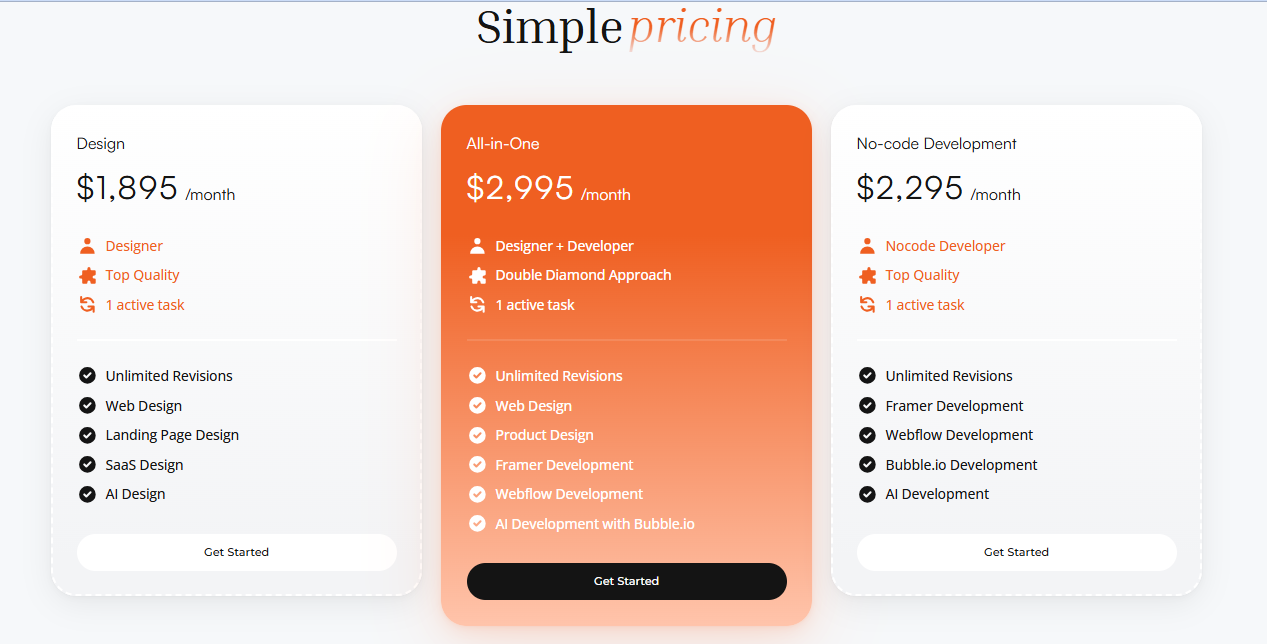
Designpulse offers unlimited design and no-code services for a flat monthly fee of $1,200, emphasizing quick turnaround and a money-back guarantee.
My image
What were the biggest lessons learned from building Designpulse?
- Pivot When Necessary: Chris transitioned from a struggling agency model to a productized service. This shift allowed for better cash flow and recurring revenue, demonstrating the importance of adapting to market demands.
- Leverage Social Media: Gaining initial clients through platforms like Twitter and LinkedIn highlights the power of social media in building connections and business growth. Consistency in posting and engaging with audiences proved crucial.
- Build Efficient Systems: Developing an internal software system for client management streamlined operations and improved client satisfaction, emphasizing the value of efficient processes in scaling a business.
- Market Publicly: Sharing progress and company updates publicly built trust and transparency, key elements in fostering customer relationships and growing the brand.
- Resilience is Key: Working long hours and maintaining consistent effort, even when starting with limited resources, illustrates the importance of perseverance and hard work in achieving entrepreneurial success.
What platform/tools does Designpulse use?
Discover Similar Business Ideas Like Designpulse
|
|
Idea
|
Revenue
|
|---|---|---|
|
Software agency creating MVPs for non-technical...
Software agency creating MVPs for non-technical founders. |
$91K
monthly
|
|
|
CAD design and prototyping service for inventors.
|
$8K
monthly
|
|
|
Luxury branding and design for female entrepren...
Luxury branding and design for female entrepreneurs. |
$25K
monthly
|
|
|
"User experience design agency crafting impactf...
"User experience design agency crafting impactful digital products." |
$458K
monthly
|
|
|
Subscription-based graphic design and frontend ...
Subscription-based graphic design and frontend code services. |
$40K
monthly
|
|
|
"Log cabin building videos with viral YouTube s...
"Log cabin building videos with viral YouTube success." |
$40K
monthly
|
|
|
Ethical design studio for sustainable brands.
|
$10.5K
monthly
|







More about Designpulse:
Who is the owner of Designpulse?
Chris Poka is the founder of Designpulse.
When did Chris Poka start Designpulse?
2023
What is Chris Poka's net worth?
Chris Poka's business makes an average of $9.84K/month.
How much money has Chris Poka made from Designpulse?
Chris Poka started the business in 2023, and currently makes an average of $118K/year.