How Clay Grew From $1M to $31M Revenue in 5 Years

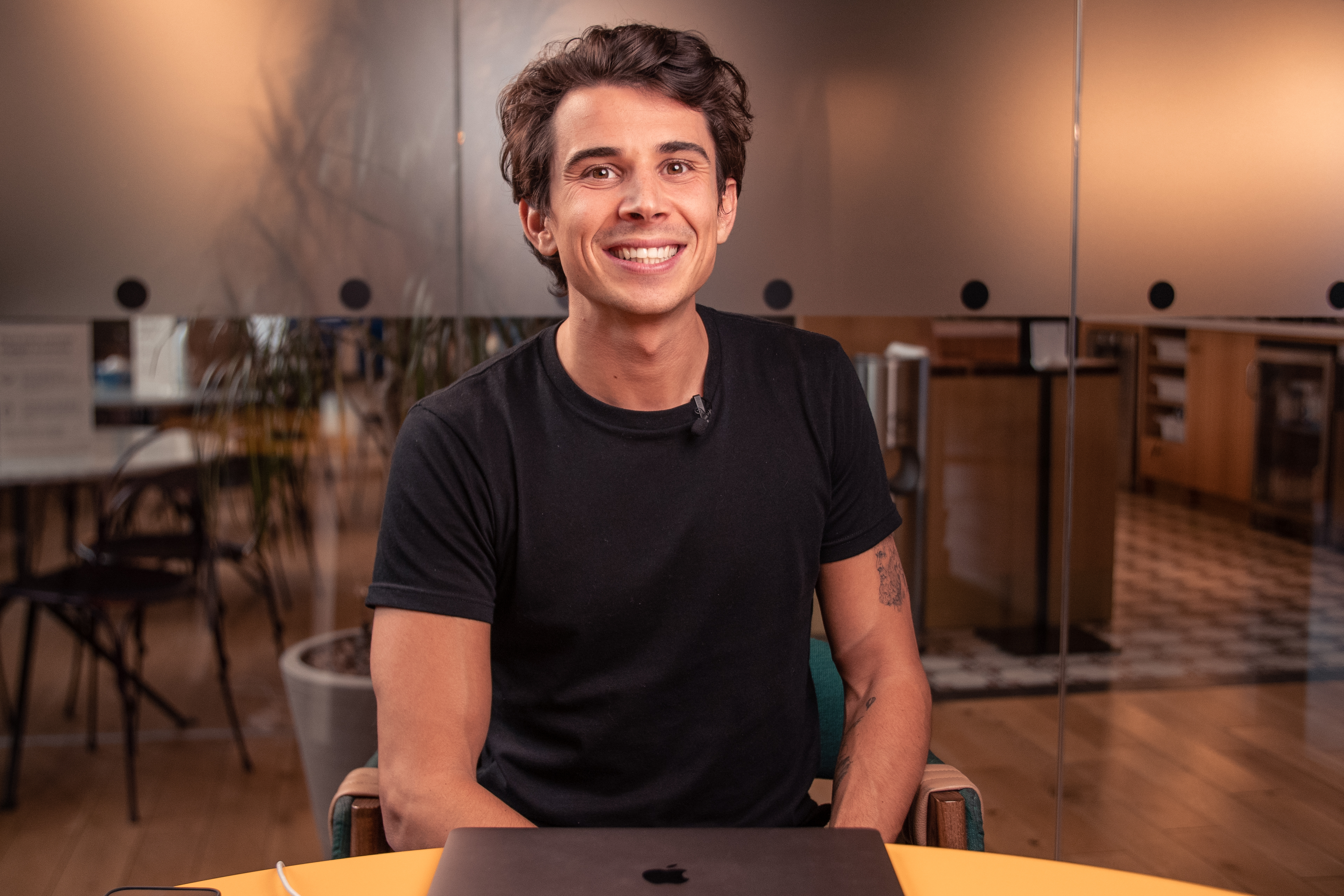
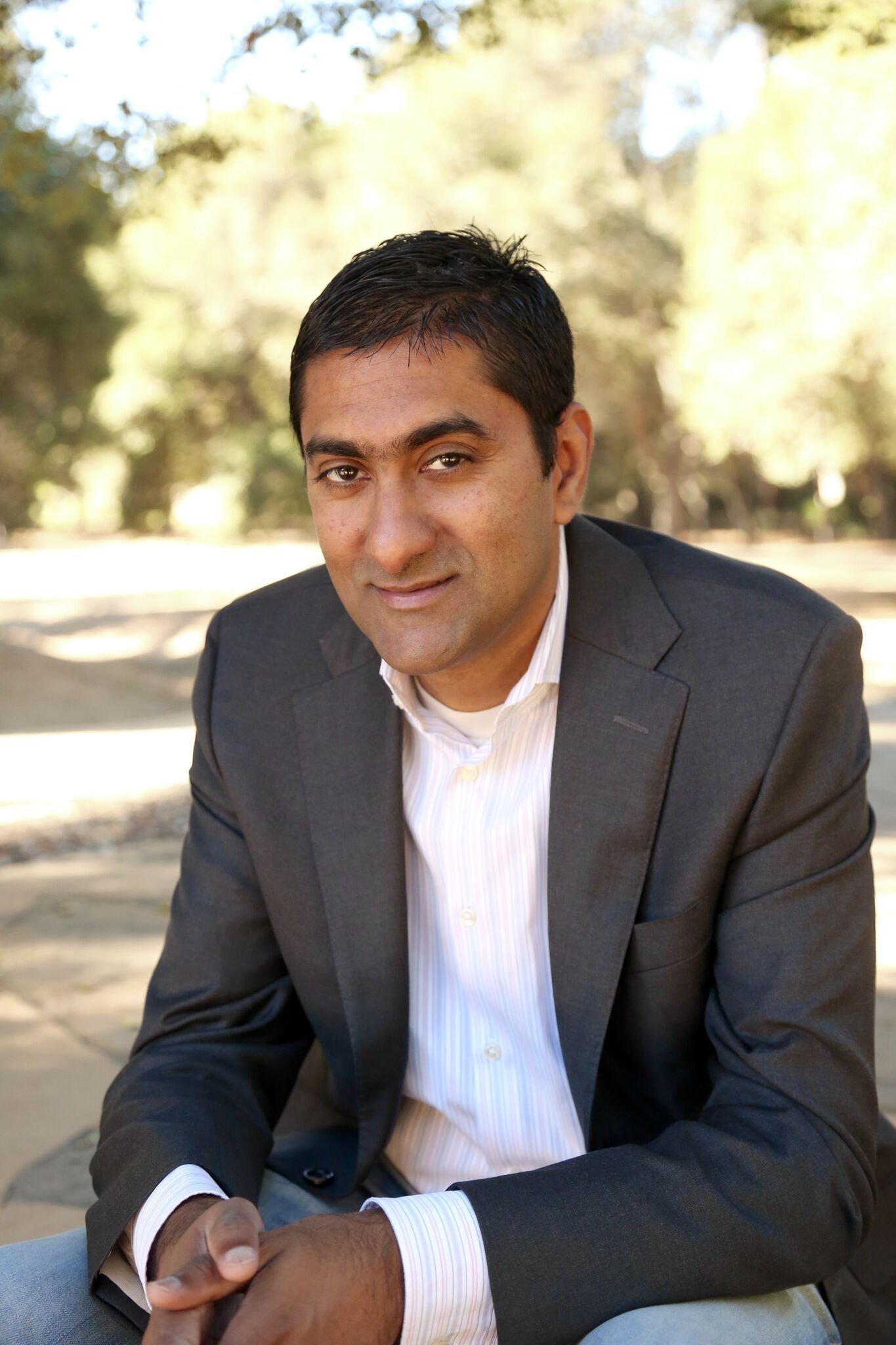
Who is Kareem Amin?
Kareem Amin, originally from an AI research and software development background, is the co-founder and CEO of Clay. He previously founded a company named Frame, which was acquired by Sailthru in 2012, and has utilized his expertise to focus on integrating AI for education and personalized learning.
What problem does Clay solve?
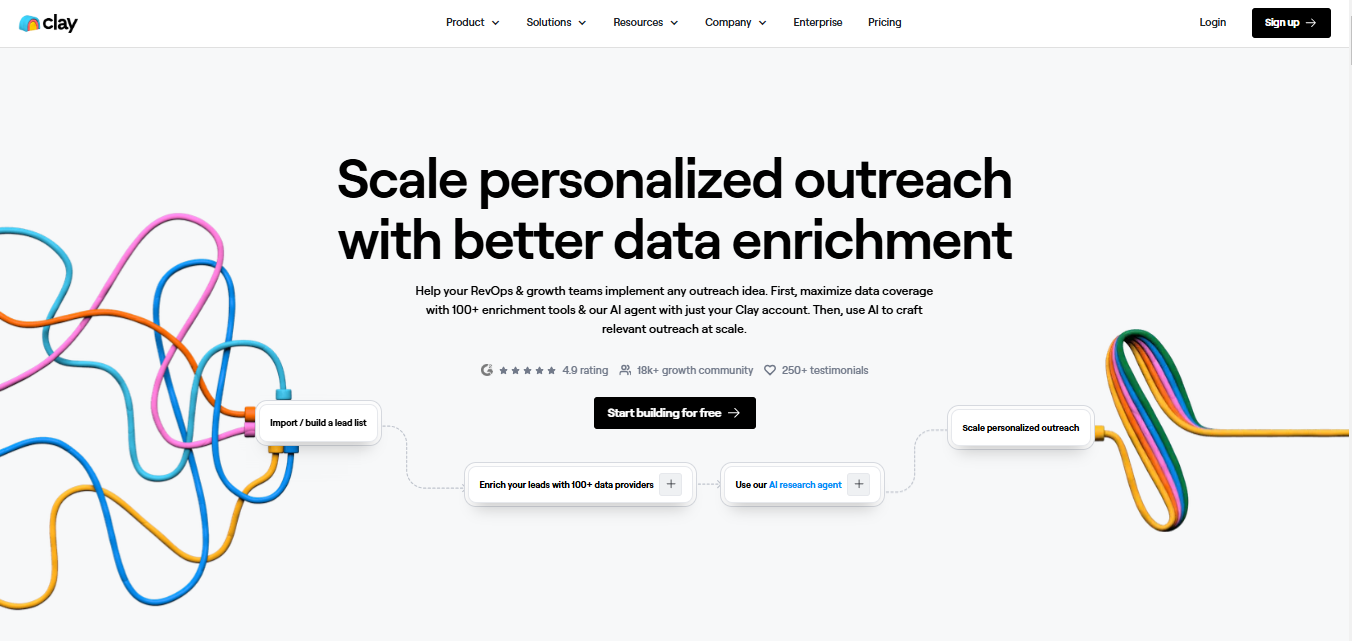
Clay solves the problem of impersonal and inefficient customer outreach by enabling businesses to easily access enriched data and create highly personalized messages, making sales efforts more targeted and meaningful.
How did Kareem come up with the idea for Clay?
Kareem Amin and Nicolae Rusan, co-founders of Clay, recognized a common issue: people often wanted to leverage programming power without the complexity of actually coding. Inspired by the success of collaborative tools like Figma and Miro, they envisioned a platform where data handling was simplified and connected. Initially, they explored ideas like a modernized terminal, but soon realized that their true aspiration was to make the power of programming accessible to more users, not just developers.
They observed how spreadsheets were a popular interface for data manipulation but lacked connectivity to modern web resources. This led to the idea of integrating APIs into spreadsheets, enabling them to pull data from various online sources seamlessly. Early users were intrigued by this concept, but feedback pointed to the need for a more focused application. Through iterative feedback and introspection, the team gradually honed in on using these capabilities for sales prospecting and lead generation, refining their approach based on user needs and market demands.
The journey was fraught with a common startup challenge: whether to pursue a broad, horizontal model or commit to a specific vertical. After much deliberation and some trial and error, Amin and Rusan decided on servicing outbound sales teams. They realized that by narrowing down their focus, they could deliver more targeted solutions and ultimately increase the product's value. This decision also added clarity to product messaging and development, which helped Clay better align their offerings with the real-world needs of their customers.
How did Kareem Amin build the initial version of Clay?
Clay's initial product development was marked by a meticulous process that combined extensive user research and continuous iteration with early adopters. The team conducted interviews with around 800 people to gather insights, which were stored and categorized in a Notion document. They identified a significant market need for building deeper relationships and addressing trust and privacy concerns, which guided their product direction. For the initial prototype, they focused on building a mobile iOS app using Xcode, along with a landing page to gauge interest, resulting in a growing waitlist of several thousand users. The development process was highly iterative, with code pushed almost hourly to dedicated early users who provided ongoing feedback. Despite underlying challenges, the creation of Clay was labor-intensive, involving manual onboarding and a relentless focus on refining the user experience.
What were the initial startup costs for Clay?
- Seed Funding: Clay raised $2.5M in a Seed Round in June 2017.
- Series A Funding: They secured $13.5M in a Series A round in June 2019.
- Series B Funding: Clay raised $46M in Series B funding in June 2024.
How did Kareem launch Clay and get initial traction?
Although specific details about a formal launch event or viral moment are not directly provided, Clay was built early starting in 2017 and had close to zero revenue until early 2022. From 2022 onwards, the company experienced rapid growth fueled by strong product-market fit, community engagement including hackathons, and widespread adoption in GTM workflows, positioning it as an 'overnight success' in recent years.
What was the growth strategy for Clay and how did they scale?
Word-of-Mouth
Clay leveraged the power of word-of-mouth to grow rapidly, primarily through customer satisfaction and engagement. Users were notably passionate about the platform, leading them to refer it to friends, family, and professional contacts. This organic growth method was highly effective, as it not only brought in new users but also ensured they were highly qualified, having been recommended by trusted sources.
Why it worked: Word-of-mouth is strong because it comes from a place of trust. Existing users became evangelists for Clay, driven by their positive experiences, and the genuine value the platform provided. This method of growth was sustainable and scalable since every new satisfied user had the potential to bring in more users, creating a compounding effect.
Product Hunt
Clay utilized Product Hunt for their launch in February 2022. Securing a spot as the top product that month and winning the Golden Kitty award significantly boosted their visibility. This platform helped them tap into a community of tech enthusiasts and early adopters who are always on the lookout for innovative solutions.
Why it worked: Product Hunt is an excellent platform for gaining initial traction and visibility among influential early adopters. By targeting and appealing to this audience, Clay was able to gain credibility and expand their user base rapidly. The initial success on Product Hunt created buzz and interest around their product, leading to increased adoption.
Community Building via Slack
Clay effectively built a vibrant community around their product by creating a Slack channel where users could interact with each other and with the team. This community not only served as a support network but also as a hotbed for shared ideas, feedback, and even evangelism for Clay's offerings.
Why it worked: The Slack channel allowed users to feel part of a community, providing value beyond the product itself. It offered a space for real-time communication, feedback gathering, and problem-solving, making users feel a sense of belonging and commitment to the Clay brand. This engagement reinforced user retention and satisfaction, encouraging them to become advocates for the product.
What's the pricing strategy for Clay?
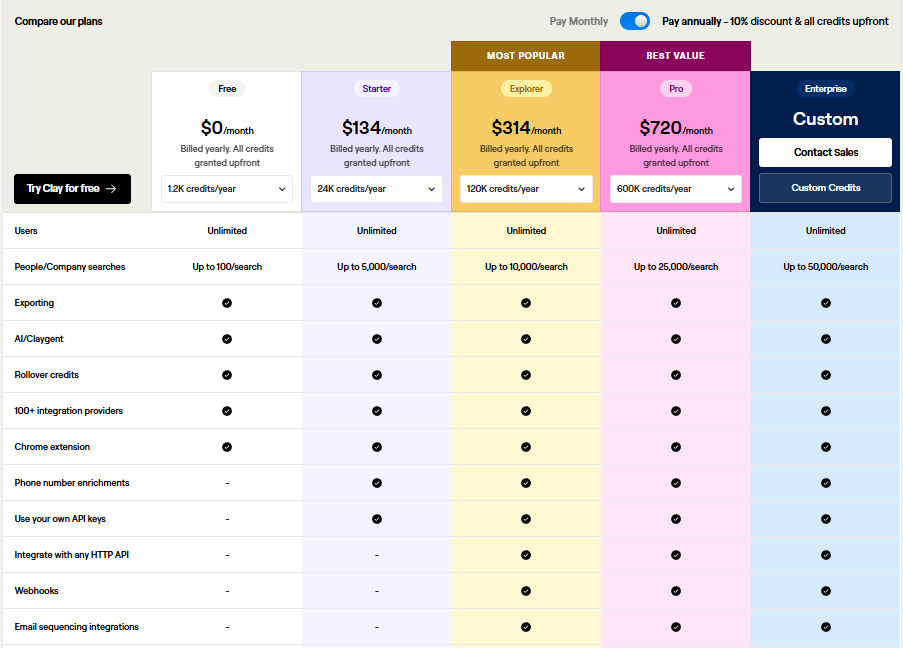
Clay leverages a flexible pricing strategy centered around a freemium model, offering free access to basic features while charging businesses for more advanced capabilities, with custom pricing available for enterprise clients seeking deeper integrations and support.
What were the biggest lessons learned from building Clay?
- Embrace Focus and Iteration: Clay learned the hard way that trying to please everyone leads to confusion and dilution of their core offering. By clarifying their ideal customer profile and refining their product for outbound sales efforts, they could improve value and usability, demonstrating the importance of focus in achieving product-market fit.
- Test Resilience through Challenges: The journey to success wasn't linear for Clay. They faced periods of low interest from potential customers and had to pivot and iterate their offering constantly. This resilience in overcoming setbacks highlights the need for determination and adaptability in entrepreneurial endeavors.
- Build Strong Community Engagement: Clay's success in creating a vibrant Slack community underscores the power of community in business growth. By fostering a space for users to exchange ideas and provide feedback, they strengthened customer loyalty and attracted new users through word-of-mouth.
- Leverage User Feedback for Growth: Continuous learning from early adopters allowed Clay to optimize their onboarding process and core features. The focus on understanding real user needs and iterating based on this feedback is a crucial strategy for refining and upgrading a business product.
- Capitalize on Organic Growth: Clay's growth was significantly fueled by organic word-of-mouth and referrals, showing that building a product people genuinely find valuable can naturally drive customer expansion. This organic growth strategy emphasizes focusing on product quality and user satisfaction rather than solely aggressive marketing.”
What platform/tools does Clay use?
Discover Similar Business Ideas Like Clay






More about Clay:
Who is the owner of Clay?
Kareem Amin is the founder of Clay.
When did Kareem Amin start Clay?
2017
What is Kareem Amin's net worth?
Kareem Amin's business makes an average of $8.33M/month.
How much money has Kareem Amin made from Clay?
Kareem Amin started the business in 2017, and currently makes an average of $100M/year.