How Martin Donadieu Grew Capgo to $7.8K/Month as a Solo Developer

Who is Martin Donadieu?
Martin Donadieu, originally from France and now living in Madeira, Portugal, is a software engineer who founded Capgo after co-founding Naas and developing Captime. He's a strong advocate for open-source solutions and focuses on building tools for developers.

What problem does Capgo solve?
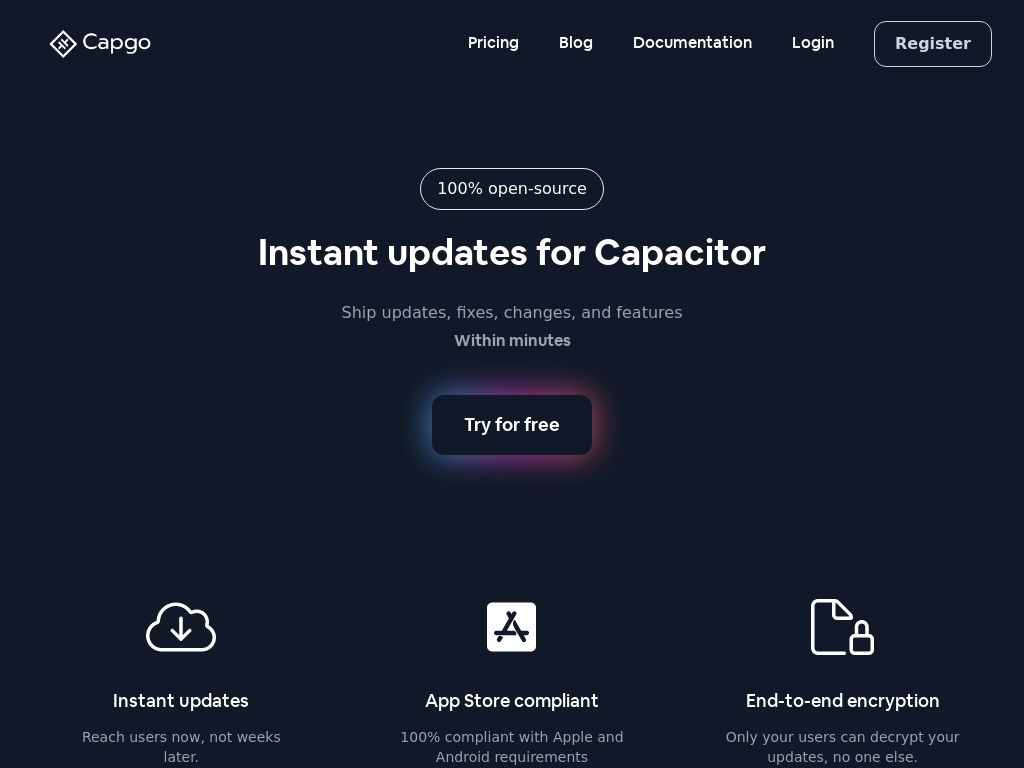
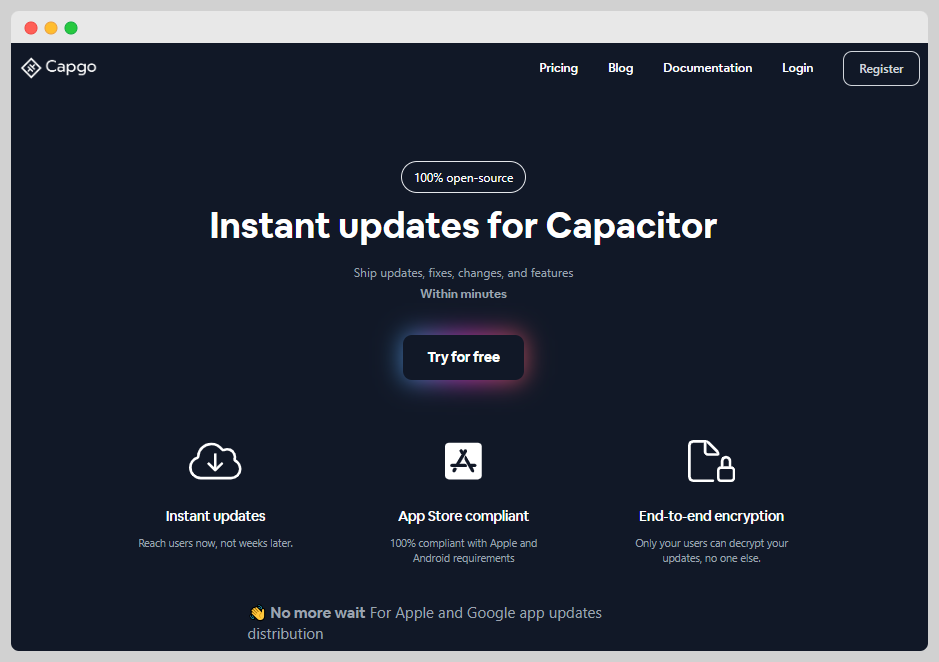
Capgo helps developers bypass tedious app store approvals by enabling instant live updates for Capacitor apps, saving them time and reducing frustration.
How did Martin come up with the idea for Capgo?
Martin Donadieu's journey to creating Capgo began from a genuine need he encountered while working on his solo project, Captime. Faced with an essential problem of updating his app without costly alternatives or comprehensive service packages, he recognized a gap in the market. Existing solutions were either too expensive or did not support the Capacitor framework he was working with. This frustration became the seed for exploring a more affordable and straightforward update system tailored for solo developers and small teams.
Throughout this process, Martin dug deep into the world of hybrid app development. He scrutinized discussions on platforms like GitHub, discovering that many other developers shared similar challenges with existing solutions. The overwhelming community response not only validated the need for a better product but also served as a pivotal motivator for him to devise a solution. He interacted with the community, gaining insights and understanding the specific demands and gaps that required addressing.
Initially, Martin struggled with technical challenges and the complexities of the task. Life as a solo developer required him to learn multiple aspects—from tech development to customer validation, in a process of trial and error. Support from the developer community played a crucial role. Their advice and feedback helped him navigate technical obstacles while also prioritizing features that mattered to users. This iterative process taught Martin the power of community-driven development, enabling him to refine his idea into Capgo, creating an open-source plugin designed specifically for Capacitor applications.
How did Martin Donadieu build the initial version of Capgo?
Martin Donadieu developed Capgo as a live update system specifically for Capacitor apps, addressing a gap in the market for affordable OTA updates (Over-The-Air) for small developers. The project began from a personal need while working on his app Captime, and after failing to find an economical solution, he decided to build his own. Within one month, Martin found a way to download code from a URL and replace an app's source, which drew attention on GitHub.
Initially, the solution was manual, requiring developers to save and load updates, but through community collaboration on platforms like Discord, he expanded its features to include backend integration with Netlify and Supabase for a more seamless update process. The development process was challenging, requiring Martin to learn native iOS and Android code, which was new to him, but by leveraging open-source contributions and feedback, Capgo evolved into a sustainable tool with automated update capabilities.
How did Martin launch Capgo and get initial traction?
GitHub Engagement
To get the initial word out about Capgo, Martin leveraged the power of the developer community on GitHub. He actively participated in discussions and shared his solution as a response to a GitHub issue that many developers were arguing over. This engagement sparked interest among developers who were looking for a more affordable and flexible update solution for Capacitor apps.
Why it worked: GitHub is a central hub for developers where they share and solve problems collaboratively. By engaging directly with this community, Martin tapped into a network of potential users who were already interested in what Capgo had to offer.
Community and Social Media Outreach
Martin also actively used social media platforms such as Twitter and development forums like Reddit to spread the word about Capgo. He shared his progress, achievements, and updates on these platforms, which helped in building an early base of interested users.
Why it worked: Sharing progress and achievements on platforms like Twitter provides visibility and creates a story that others can follow and support. Additionally, posting on forums where developers convene allowed Capgo to reach its intended audience directly, attracting users who were experiencing the same pain points Martin aimed to solve.
Direct Engagement through Discord
Martin leveraged the Discord community for real-time feedback and support. This allowed him to directly interact with users, gather insights on their needs, and quickly iterate on the Capgo product. The Discord community provided valuable feedback and became a source of initial testers for the solution.
Why it worked: Discord offered a direct line of communication with users, enabling Martin to create a strong community around Capgo. This direct engagement not only helped improve the product but also fostered a loyal user base who were more invested in the success of Capgo due to their involvement in its development.
Open Source Community Initiatives
By creating and sharing open-source plugins related to Capacitor, Martin established himself and Capgo as valuable contributors to the community. This strategy not only showcased the capabilities of Capgo but also emphasized Martin's commitment to supporting and enriching the developer ecosystem.
Why it worked: Offering open-source solutions built trust within the developer community and increased exposure. Developers gravitate towards tools and projects that benefit the community, and Martin’s contributions helped Capgo gain acceptance and credibility, leading to initial trials and customer conversions.
What was the growth strategy for Capgo and how did they scale?
GitHub and Developer Community
Capgo's initial traction was driven significantly by its presence on GitHub and engagement with the developer community. Martin, the founder, actively participated in conversations around the needs and challenges faced by developers using Capacitor, which resonated with a lot of potential users. He initially introduced the concept of Capgo as a solution to a problem many developers faced with existing more expensive solutions. The active discussions, feedback, and contributions from other developers helped refine Capgo's offerings and build credibility within the community.
Why it worked: Engaging directly with the developer community on platforms like GitHub allows for feedback loops that are critical in developing a product that meets the real needs of users. This approach also builds trust and establishes the founder as a thought leader, resulting in organic promotion among users who are often influential within their networks.
Social Media Engagement
Martin used Twitter and Reddit to talk about Capgo and share progress updates and achievements. By showcasing his journey and actively engaging with followers, he created awareness and facilitated a connection with developers who followed his work and sought similar solutions.
Why it worked: Regular updates and transparent sharing on social media help in building a personal connection with potential customers. By demonstrating active development and responding to user feedback, it portrays a responsive and dynamic product vision, encouraging followers to try and engage with Capgo's offerings.
Open Source Contribution
Capgo’s open-source aspect on GitHub played a critical role in its growth. By providing a free, manual mode option of Capgo for developers, Martin attracted a user base that could freely access and experiment with the software. This not only helped in gaining initial traction but also in gaining valuable insights and feedback.
Why it worked: Open source contributions attract a wide range of users who appreciate and value transparency and community-driven development. This model fosters community contributions, which in turn improve the software while simultaneously marketing it to new users without a direct sales approach.
Community Building
Martin leveraged platforms like Discord for community building, where he provided direct support and interacted with users. This platform served as a space for users to discuss issues, share solutions, and contribute to the development of Capgo. Martin’s direct involvement in these communities facilitated a grassroots promotional effort that kept users engaged.
Why it worked: Building a strong community supports retention and advocacy, as users feel more connected to the product and the people behind it. Personal connections and direct support contribute to fostering loyalty, which is crucial for user retention and organic growth through word-of-mouth.
What's the pricing strategy for Capgo?
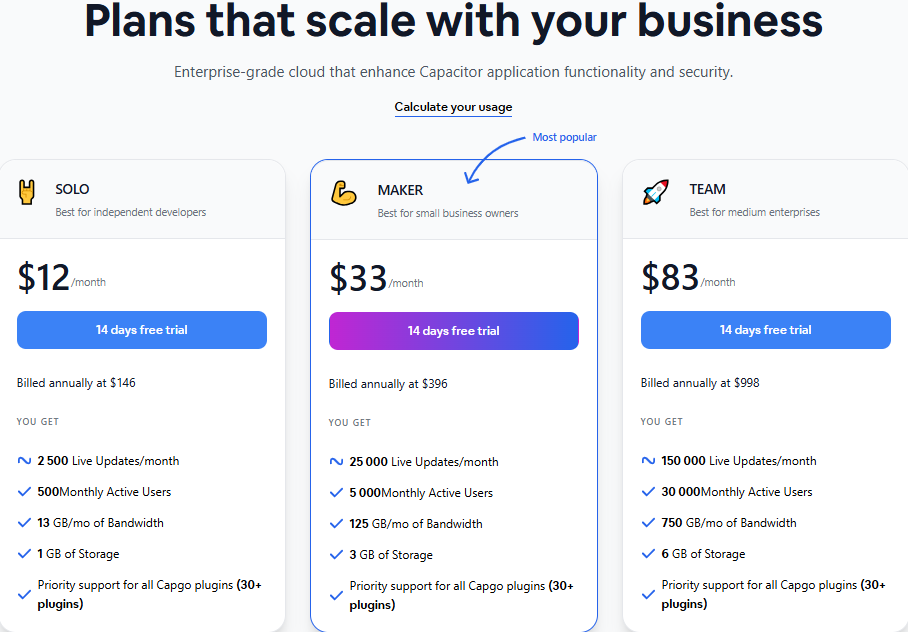
Capgo offers a tiered subscription model with prices starting at $15/month, providing an affordable alternative for live updates in Capacitor applications compared to competitors.
What were the biggest lessons learned from building Capgo?
- Community Feedback is Crucial: Capgo evolved from a GitHub discussion where developers expressed their need for a cost-effective update solution. Listening to and acting on community feedback can lead to creating valuable products that meet real needs.
- Embrace Open Source for Growth: By building Capgo as an open-source project, Martin attracted contributions and ideas from the community. This approach not only improved the product but also built a loyal user base around it.
- Adapt Pricing Based on User Insights: Initially offering Capgo for free allowed Martin to understand user behavior and refine the pricing model. Transitioning to a paid model based on user feedback ensured that the business remained sustainable.
- Focus on Simple Solutions: Instead of competing with complex, expensive solutions, Capgo targeted niche problems faced by small teams and solo developers, offering straightforward fixes for immediate issues.
- Resilience is Key to Solo Success: Building Capgo highlighted the importance of perseverance when working alone. Martin had to manage all aspects of the business himself, from coding to customer support, learning to automate where possible to manage workload effectively.
Discover Similar Business Ideas Like Capgo






More about Capgo:
Who is the owner of Capgo?
Martin Donadieu is the founder of Capgo.
When did Martin Donadieu start Capgo?
2021
What is Martin Donadieu's net worth?
Martin Donadieu's business makes an average of $7.8K/month.
How much money has Martin Donadieu made from Capgo?
Martin Donadieu started the business in 2021, and currently makes an average of $93.6K/year.