How Ansel Health Revolutionized Supplemental Insurance and Raised $50M

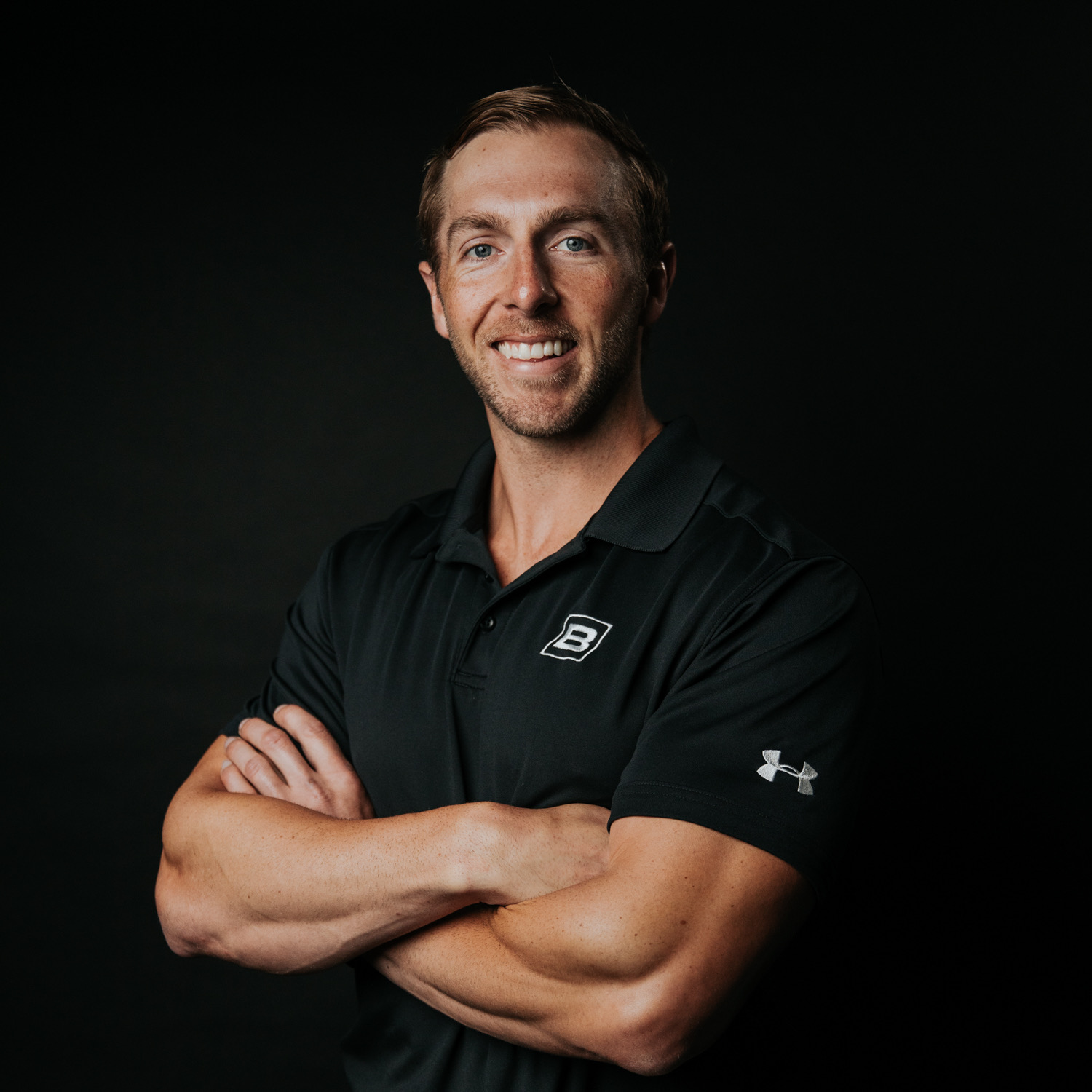
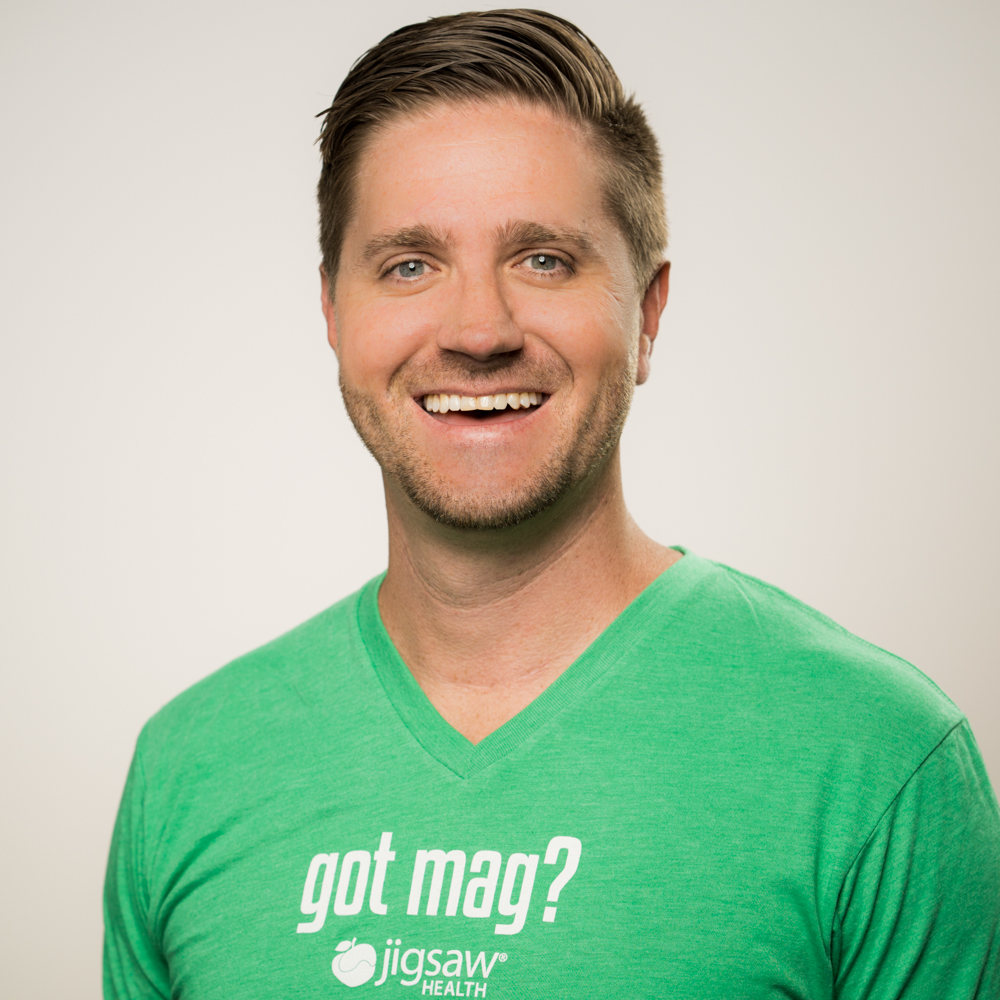
Who is Veer Gidwaney?
Veer Gidwaney, the founder of Ansel Health, grew up in Edmonton, Alberta, Canada, and attended the University of Western Ontario before leaving to start his first company. He has a background in health insurance innovation and previously co-founded Maxwell Health, which was later acquired by Sun Life.
What problem does Ansel Health solve?
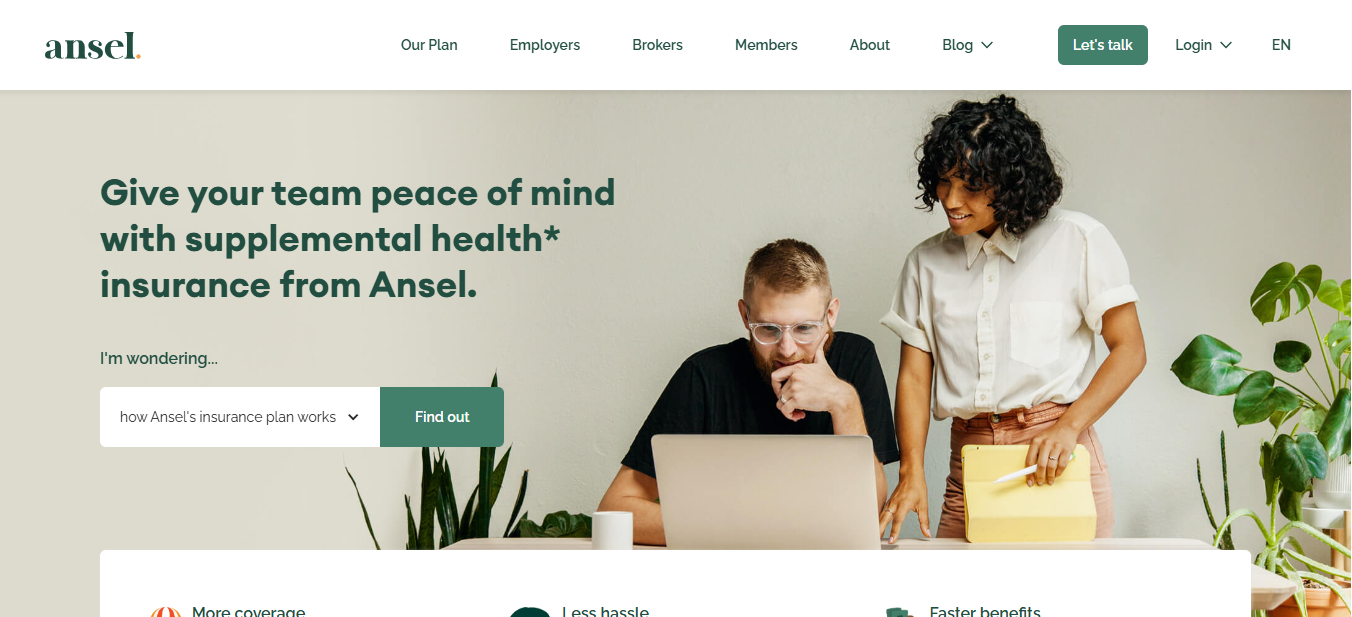
Ansel Health prevents financial disaster by quickly paying cash for medical issues, making unexpected medical costs manageable for families, unlike traditional slow and complex systems.
Ansel
How did Veer come up with the idea for Ansel Health?
Veer Gidwaney, the founder of Ansel Health, observed that rising medical costs and inadequate insurance coverage were placing immense financial pressure on American families. His prior experience with Maxwell Health, which focused on HR benefits, allowed him to witness firsthand the challenges related to health insurance affordability and the financial burden of unexpected medical events. Motivated by the idea of reducing this financial strain, he began exploring the possibility of creating a simpler, more comprehensive supplemental insurance product.
Before launching Ansel Health, Veer engaged with industry experts to validate the market need and assess regulatory feasibility, ensuring that both consumer interest and compliance requirements were aligned. As he refined the concept, he emphasized automation as a core feature, aiming to simplify claims processing and provide fast relief to consumers. He faced challenges in designing a product that was straightforward yet covered a wide range of conditions, but overcame these by building a platform that utilized diagnostic codes for quick and objective claims evaluation.
Through this journey, a key lesson he learned was the importance of aligning technological advancements with consumer needs, ensuring that the solution not only addressed financial worries but also delivered an exceptional user experience. Veer applied his knowledge of both Canadian and American healthcare systems to bridge the gap between health services and consumer financial protections, ultimately leading to the founding of Ansel Health.
How did Veer Gidwaney build the initial version of Ansel Health?
Ansel Health's initial product development focused on building a technology platform that could revolutionize supplemental health insurance through automation and adaptability. They utilized Salesforce's infrastructure as a foundation, ensuring scalability while maintaining control over their system, which allowed them rapid adaptation to partner needs. One of their key innovations was automating 75% of claims processing, drastically improving the customer experience by eliminating much of the traditional friction and paperwork. Building the first version of the platform was challenging due to the need for thorough regulatory validation and ensuring feasibility, with the entire process taking significant time and resources. Despite these hurdles, the experience fostered a commitment to creating a high-value product that could transform an industry notorious for consumer dissatisfaction.
What was the growth strategy for Ansel Health and how did they scale?
Strategic Partnerships
Ansel Health expanded its reach by forming strategic partnerships with established insurance companies. They developed a platform that existing companies could use to offer their own versions of Ansel’s supplemental insurance product. This approach allowed Ansel to leverage the established distribution channels and brand credibility of its partners. By creating a coalition with carriers like Voya, Symetra, and Nationwide, Ansel was able to extend its product's reach more rapidly than they could alone. Why it worked: This model allows Ansel to increase its market presence without the need to directly compete with bigger players, turning potential competitors into collaborators.
Customer Experience through Automation
Ansel Health prioritized enhancing customer experience by automating 75% of claims processing. This automation removed the typical friction associated with claims, offering a user-friendly process wherein customers could submit claims through an app using photos of medical documents. As a result, claims were processed within hours rather than weeks, using methods like Venmo and PayPal for speedy payouts. Why it worked: Automation in claims processing contributed to a high Net Promoter Score (NPS) in the high 80s, a rare feat in the insurance industry known for low customer satisfaction. This efficiency and customer-centric approach reinforced trust and loyalty among customers.
Industry-Focused Validation
Before diving into regulated markets, Ansel Health employed a two-step validation process. They first gauged market interest through discussions with industry experts and then assessed regulatory feasibility to ensure their product could lawfully enter the market. This prudent approach allowed them to avoid wasted resources on impractical solutions. Why it worked: By validating their ideas upfront, Ansel was able to focus their resources effectively and create solutions that met actual market needs in a compliant manner, thus accelerating their entry and success in the market.
What's the pricing strategy for Ansel Health?
Ansel Health offers customizable supplemental insurance with no pre-existing condition exclusions, covering over 13,000 conditions with flexible payout options tailored to individual needs.
What were the biggest lessons learned from building Ansel Health?
- Focus on Partnerships: Ansel grew by forming strategic partnerships with major insurance carriers. Instead of directly competing, they leveraged existing channels, expanding their reach and credibility.
- Own Your Tech: By owning their technology platform, Ansel could rapidly adapt and integrate with partners. This adaptability and control are critical in responding to specific needs and ensuring smooth automation.
- Validate First: Before building in heavily regulated sectors, Ansel validated their product concept through expert conversations. This ensured their efforts met regulatory requirements, saving time and resources.
- Automate for Satisfaction: Ansel prioritized automating their claims process, leading to a high NPS and improved customer satisfaction by removing friction points.
- Align with the Mission: They emphasized finding investors who shared their mission to address health and financial stress, ensuring long-term alignment and support over immediate profits.
What platform/tools does Ansel Health use?
Discover Similar Business Ideas Like Ansel Health






More about Ansel Health:
Who is the owner of Ansel Health?
Veer Gidwaney is the founder of Ansel Health.
When did Veer Gidwaney start Ansel Health?
2021
What is Veer Gidwaney's net worth?
Veer Gidwaney's business makes an average of $/month.
How much money has Veer Gidwaney made from Ansel Health?
Veer Gidwaney started the business in 2021, and currently makes an average of .