Last
year
I
launched
BrainRot
and
since
then
have
scaled
from
about
10k
a
month
to
now
about
400k
a
month
month
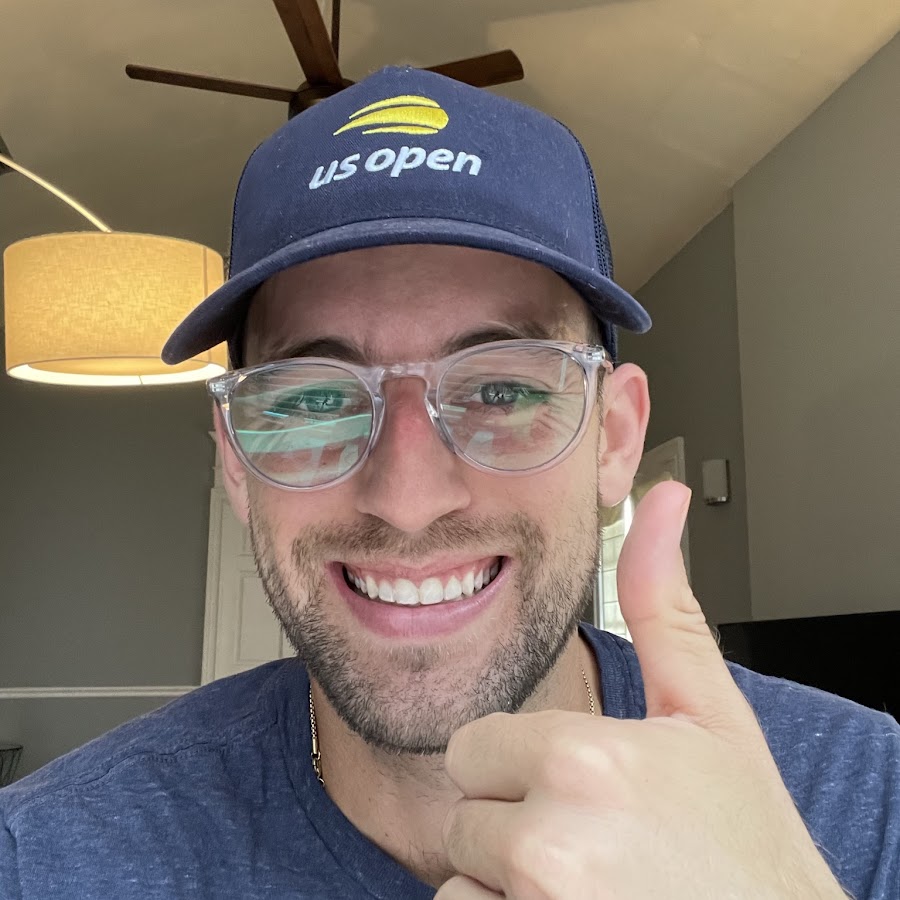
This
is
Yoni
A
year
ago
he
built
an
app
to
simply
solve
his
own
problem
and
to
his
surprise
it
started
to
take
off
He
had
no
clue
that
this
app
would
turn
into
a
business
that
changed
his
life
And
today
his
app
BrainRot
makes
an
astonishing
400
000
a
month
But
beyond
the
incredible
success
Yoni
has
a
wealth
of
knowledge
when
it
comes
to
building
apps
He's
tried
every
trick
tactic
and
strategy
in
the
book
And
so
I
wanted
him
to
come
on
the
channel
to
share
how
he
did
it
and
how
you
can
do
it
too
So
in
this
episode
we're
going
to
dive
into
the
app
that
he
built
for
himself
that
now
makes
400
000
a
month
his
simple
approach
to
finding
good
app
ideas
and
the
exact
steps
he
would
take
if
he
was
starting
over
with
apps
in
2026
This
one's
going
to
be
awesome
Let's
dive
in
I'm
Gus
and
this
is
Starter
Story
All
right
Yoni
welcome
to
Star
Story
man
Super
excited
to
have
you
on
the
channel
Could
you
tell
us
who
you
are
what
you
built
and
what's
your
story
Thanks
for
having
me
Gus
I'm
stoked
Love
the
channel
My
name
is
Yoni
Smolyar
and
I
built
a
mobile
productivity
app
called
BrainRot
that
does
about
400
000
a
month
in
revenue
And
I
have
a
co
founder
called
Brock
Anderson
who
is
the
GOAT
so
shout
out
to
Brock
And
last
year
I
launched
BrainRot
in
the
summer
of
2025
Since
then
I've
scaled
from
about
10
000
a
month
to
now
about
400
000
a
month
Yeah
Yoni
this
is
such
an
awesome
story
So
let's
talk
about
BrainRot
For
the
people
who
don't
know
what
it
is
what
is
BrainRot
Explain
what
it
is
in
a
few
sentences
and
maybe
a
little
bit
about
who
your
users
are
the
kind
of
people
that
use
this
app
It
is
a
gamified
screen
time
app
It
is
a
play
on
the
word
BrainRot
obviously
and
has
a
cute
digital
pet
brain
that
rots
the
more
time
that
you
spend
on
your
BrainRot
apps
BrainRot
is
a
subscription
app
We
mostly
sell
annual
subscriptions
We've
had
about
a
couple
million
downloads
and
about
400
000
in
revenue
150
something
thousand
users
Man
that
is
awesome
So
let's
talk
about
how
you
get
here
What
were
you
doing
before
BrainRot
My
story
I
was
a
corporate
software
engineer
and
I
was
always
this
kind
of
like
aspiring
hustler
Like
I
always
wanted
to
try
little
businesses
and
nothing
that
ever
took
off
So
I
started
making
content
along
the
way
just
telling
my
story
And
eventually
that
began
to
resonate
resonate
with
some
people
I
built
up
a
little
bit
of
a
following
online
Then
I
was
looking
kind
of
for
a
new
project
or
something
and
eventually
came
up
with
this
idea
for
BrainRot
and
built
that
summer
of
2025
I
love
everything
that
Yoni
is
breaking
down
for
us
He
has
an
amazing
story
and
I
think
you're
really
going
to
enjoy
the
rest
of
this
episode
But
before
we
get
there
it
got
me
thinking
If
you're
inspired
by
Yoni's
story
or
any
of
the
other
app
founders
that
we've
had
on
the
channel
I
bet
you
are
itching
to
start
your
own
thing
So
the
question
is
are
you
ready
to
build
To
help
you
get
started
we
put
together
this
free
database
of
over
100
business
ideas
that
you
can
start
for
less
than
500
This
free
database
is
packed
with
data
information
all
the
stuff
that
you
need
to
validate
an
idea
and
go
start
building
Again
it's
100
free
to
download
Just
head
to
the
link
in
the
description
All
right
let's
get
back
to
the
episode
What
inspired
you
to
do
that
What
inspired
you
to
start
making
all
those
daily
vlogs
or
whatever
you
were
doing
Honestly
I
was
pretty
deeply
into
this
indie
hacker
space
I
was
into
the
starter
story
Pat
Wall's
story
People
like
Peter
Levels
these
kind
of
tech
Twitter
guys
who
had
this
inbuilt
distribution
and
every
time
they
would
launch
a
new
website
or
a
new
product
they
would
already
have
users
from
day
one
So
I
wanted
to
start
telling
the
story
of
the
entrepreneur
behind
the
scenes
to
stop
being
a
shadowy
figure
who
just
moves
in
silence
silence
and
just
to
put
myself
out
there
and
see
what
happens
You
kind
of
already
mentioned
this
but
you
started
making
this
content
and
it
sucked
you
a
little
bit
into
your
phone
Tell
us
a
little
bit
more
of
that
story
of
coming
up
with
the
idea
specifically
for
Brain
Rot
I
was
just
addicted
to
my
phone
I
was
on
Instagram
and
YouTube
and
Twitter
and
all
this
stuff
all
the
time
And
of
course
I
could
have
downloaded
an
app
blocker
I
wasn't
the
first
to
come
up
with
this
concept
but
I
had
this
idea
what
if
a
brain
rots
the
more
you
brain
rot
And
nobody
had
come
up
with
this
app
yet
So
I
was
like
wow
I'm
a
genius
And
I
was
so
excited
And
I
think
this
is
an
important
point
is
I
was
excited
enough
to
drop
everything
and
go
heads
down
on
this
for
a
month
So
you
built
this
app
in
a
couple
of
weeks
Tell
us
about
the
early
growth
How
did
you
get
this
thing
off
the
ground
And
then
that
first
zero
to
10K
per
month
what's
that
growth
story
I
think
I
had
a
bit
of
an
unusual
story
which
is
that
I
had
amassed
like
some
100
000
or
150
000
followers
on
Instagram
before
the
launch
of
the
app
I
just
was
keeping
it
kind
of
suspenseful
So
I
was
I'm
building
an
app
sign
up
for
the
waitlist
I
was
kind
of
building
the
suspense
And
then
when
I
launched
it
did
about
10
000
I
think
in
the
first
day
That's
an
amazing
launch
So
how
do
you
take
that
and
turn
it
into
where
it's
at
today
One
core
point
that
is
less
talked
about
than
it
should
be
is
understanding
how
your
users
use
the
app
So
if
you
launch
the
app
you
now
have
some
live
traction
and
you
have
data
on
what
your
users
are
doing
And
you
can
begin
to
over
time
understand
who
are
your
power
users
and
who
are
your
casual
or
average
users
And
you
really
really
want
to
know
and
understand
those
power
users
So
you
need
to
start
looking
at
the
analytics
And
this
was
something
that
was
a
big
unlock
for
us
Another
thing
is
that
every
app
is
different
Every
business
is
different
Every
founder
is
different
You
should
double
down
on
what's
working
for
you
If
something
is
working
try
to
do
10
times
more
of
that
thing
For
us
that
enabled
early
growth
was
influencer
content
and
paid
ads
And
so
we
just
simply
scaled
what
we
knew
And
that's
what
allowed
us
to
grow
Another
thing
I'll
say
is
if
you
are
alone
I
highly
consider
getting
a
co
founder
So
when
Brock
and
I
partnered
as
co
founders
it
was
a
huge
force
multiplier
for
the
business
and
really
allowed
us
to
take
off
Thanks
for
sharing
some
of
those
things
Earlier
you
said
you
were
working
a
regular
full
time
job
software
engineer
At
what
point
does
this
thing
get
big
enough
where
you're
really
thinking
about
should
I
do
this
full
time
What
was
the
decision
point
And
then
tell
us
the
story
behind
that
So
I
did
a
lot
of
soul
searching
on
this
at
the
time
and
was
really
waiting
for
a
moment
when
the
leap
felt
less
risky
What's
the
right
time
Is
it
a
number
Is
it
a
date
I
think
ultimately
the
truth
is
that
everything
is
risky
Staying
in
a
job
that
makes
you
unhappy
is
risky
Letting
your
dreams
fade
is
also
risky
So
at
the
end
of
the
day
I
think
it's
just
a
level
of
discomfort
that
you're
willing
to
tolerate
Have
enough
runway
There's
some
practical
considerations
but
you
can
get
a
different
job
It's
not
that
deep
Such
an
amazing
story
So
there's
lots
of
people
who
watch
Starter
Story
who
are
getting
started
or
looking
to
build
their
first
idea
So
a
question
we
like
to
ask
to
founders
like
you
if
you
were
starting
over
what
would
you
do
or
what
would
you
avoid
if
you
were
building
apps
in
2026
Number
one
is
to
find
a
problem
space
that
is
genuinely
exciting
to
you
I
think
building
apps
or
building
a
business
is
so
difficult
And
if
it's
not
something
that
is
truly
exciting
to
you
that
it's
the
first
thing
you
want
to
do
in
the
morning
and
the
last
thing
you
want
to
do
at
night
you're
going
to
give
up
when
it
gets
hard
Inevitably
it
will
get
hard
Step
two
is
build
a
team
If
you're
swinging
for
your
first
entrepreneurial
win
and
you
have
swung
multiple
times
before
solo
I
think
that
you
would
benefit
from
not
going
alone
There's
too
much
work
to
go
alone
as
a
solopreneur
So
I
highly
highly
recommend
you
either
bring
on
a
co
founder
somebody
who
complements
your
skills
well
or
you
build
a
team
by
using
your
equity
which
is
currently
worthless
Step
three
I
recommend
understand
exactly
what
your
users
are
doing
in
your
app
Analytics
should
be
sampled
and
sent
to
some
kind
of
analytics
provider
like
Mixpanel
or
Posthug
And
you
should
let
Claude
or
Codex
have
at
it
and
really
understand
what
your
users
are
doing
Understand
the
activation
moment
understand
which
cohorts
are
your
most
active
your
most
obsessed
users
and
try
to
get
all
the
rest
of
your
users
to
exhibit
those
behaviors
Step
four
I
would
say
iterate
and
experiment
relentlessly
Small
experiments
What
if
I
take
this
slide
out
of
the
onboarding
and
move
it
over
there
Or
what
if
the
user
sees
this
thing
before
that
thing
All
these
small
little
experiments
that
you
can
then
measure
the
outcome
outcome
of
nine
out
of
10
of
the
times
it
will
not
move
the
needle
But
one
in
10
times
it
can
be
trajectory
changing
For
distribution
I'll
say
different
audiences
provide
different
amounts
of
value
to
you
So
understand
which
of
your
users
you're
able
to
acquire
more
cheaply
from
maybe
one
acquisition
channel
than
another
and
how
much
revenue
those
users
by
comparison
generate
for
you
And
lastly
I'll
say
understand
there's
often
a
significant
delay
between
your
inputs
and
the
results
of
those
inputs
So
if
you're
doing
all
the
right
things
for
weeks
on
end
or
months
on
end
you
may
find
yourself
in
a
position
where
you
are
now
reaping
the
fruits
of
your
labor
from
the
last
months
and
you
feel
like
you're
doing
good
and
then
you
start
to
get
complacent
Don't
let
yourself
get
complacent
because
the
work
that
you
put
in
today
are
your
results
in
the
future
Thanks
for
walking
through
those
four
or
five
steps
there
of
how
to
think
about
building
apps
in
2026
We
like
to
ask
people
this
from
time
to
time
what
are
some
good
ways
to
approach
finding
an
app
idea
for
someone
watching
who
doesn't
really
know
where
to
start
or
feels
like
oh
there's
a
ton
that's
already
been
done
or
how
do
I
find
my
thing
Great
question
I'll
say
ultimately
this
depends
on
your
experience
level
as
an
entrepreneur
and
your
goals
with
the
app
So
I
don't
recommend
building
in
hyper
competitive
spaces
like
that
if
you're
taking
your
first
swing
And
don't
build
a
super
app
with
many
many
features
and
that
try
to
solve
many
use
cases
for
many
people
Build
a
simple
utility
app
that
has
a
core
function
that
solves
a
core
problem
for
a
core
user
and
build
something
that
you
really
understand
or
that
really
solves
a
problem
for
you
Don't
chase
trends
or
copy
apps
to
try
to
make
a
quick
buck
Be
a
power
user
of
your
app
literally
use
it
every
day
and
be
brutally
honest
with
yourself
about
it
Also
I
recommend
either
building
something
very
high
LTV
or
something
that
a
user
would
actually
open
on
their
phone
every
single
day
Maybe
not
shocking
the
best
advice
is
to
build
something
actually
valuable
for
users
Cool
Yeah
I
think
I
love
that
advice
So
what's
the
tech
tech
behind
Brainwrap
We
use
Mixpanel
for
analytics
We
use
Firebase
for
analytics
and
experiments
We
use
Supabase
for
internal
tools
and
tracking
We
use
Superwall
for
our
paywalls
We
use
Appstack
for
paid
ads
attribution
We
use
Cloud
Code
and
Codex
for
various
coding
and
internal
business
stuff
And
we
use
Upwork
for
finding
contractors
and
freelancers
Okay
Yoni
we've
been
talking
about
Brainwrap
Let's
see
it
I
would
love
to
see
a
quick
demo
of
Brainwrap
how
it
works
You
can
take
a
look
inside
Brainwrap
You'll
see
it's
just
this
kind
of
digital
pet
brain
in
his
environment
Currently
97
health
You
can
see
what
time
I've
spent
on
different
apps
this
morning
There
are
different
blocking
rules
that
you
can
set
to
block
different
apps
at
different
times
You
can
see
some
statistics
about
your
screen
time
usage
and
what
apps
you're
using
on
what
days
and
stuff
like
that
And
the
core
functionality
is
when
you
try
to
open
a
Brainwrap
app
like
in
this
case
I'll
open
Instagram
you
see
a
little
message
and
you
will
have
to
go
through
this
little
flow
In
this
case
I'm
getting
a
FaceTime
from
my
brain
I
have
to
go
through
this
little
experience
It
just
adds
a
little
bit
of
friction
into
using
the
app
that
is
enough
to
get
you
to
change
your
habits
habits
All
right
Finally
the
only
question
we
like
to
ask
every
founder
who
comes
on
Starter
Story
if
you
were
standing
on
your
shoulders
a
couple
of
years
ago
as
you
were
starting
to
build
Brainwrap
or
for
someone
watching
who's
just
getting
started
what
would
be
your
final
piece
of
advice
advice
to
them
I
would
say
that
there
are
a
lot
of
ways
to
feel
busy
while
doing
nothing
meaningfully
productive
The
goal
of
all
of
this
is
not
to
grind
like
a
rat
and
always
be
busy
and
always
be
on
the
computer
and
unavailable
A
lot
of
actions
yield
maybe
a
1
but
there
are
some
changes
that
are
a
20
change
or
a
50
or
100
change
to
a
system
And
your
job
as
a
founder
founder
is
to
find
those
decisions
and
then
delegate
or
forget
about
all
of
the
small
stuff
That's
great
advice
Yoni
Thanks
so
much
for
coming
on
Starter
Story
It
was
a
pleasure
to
have
you
Leave
a
comment
for
Yoni
say
what's
up
Yeah
man
thanks
for
coming
on
the
channel
Thanks
for
having
me