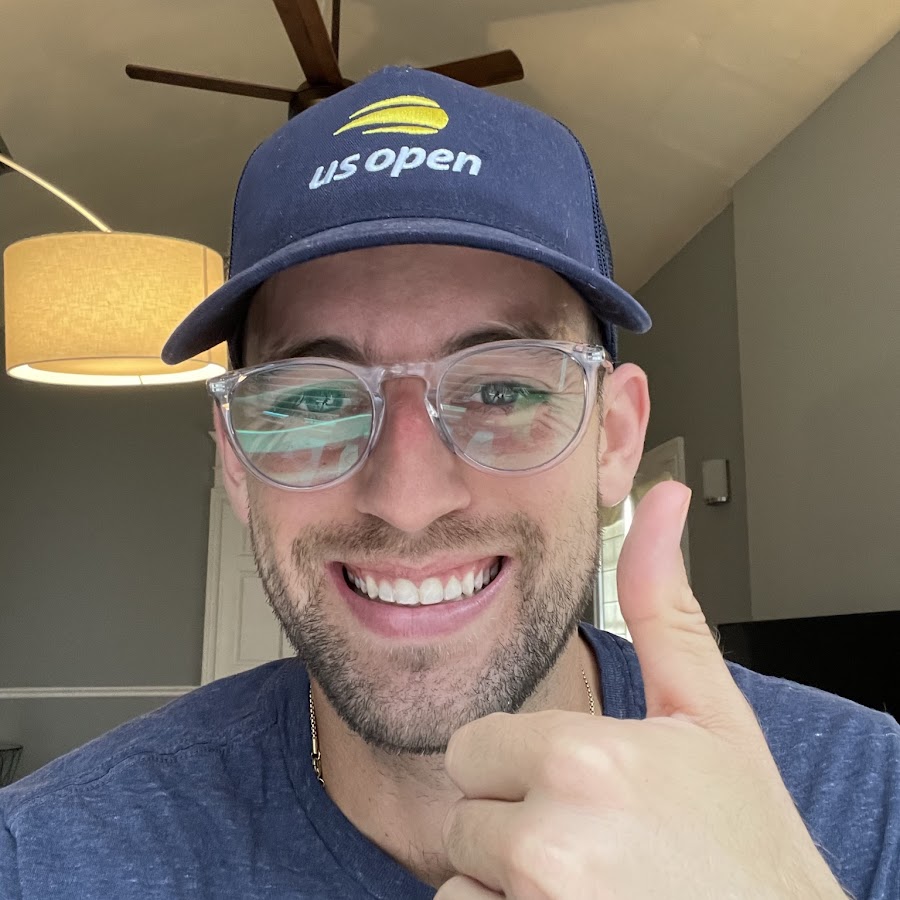
This
is
Alex
a
guy
who
started
a
newsletter
in
his
dorm
room
and
then
sold
it
for
millions
But
after
selling
that
business
he
felt
lost
and
spent
months
trying
to
figure
out
what
idea
he
would
pursue
next
It
basically
took
me
12
months
of
doing
every
cliche
thing
that
an
entrepreneur
does
when
they're
looking
for
meaning
This
year
he
found
a
new
opportunity
a
new
identity
to
become
a
multipreneur
The
goal
To
launch
a
bunch
of
different
tiny
businesses
and
then
hire
CEOs
to
run
them
Over
the
next
5
to
10
years
I
want
to
have
a
dozen
plus
companies
that
sit
under
me
that
I
am
the
CEO
of
none
of
but
I
am
the
co
founder
and
chairman
of
all
of
them
I
flew
out
to
New
York
to
ask
him
about
this
personal
holding
company
and
how
it
all
works
Turns
out
he's
already
launched
a
few
ideas
and
one
of
them
is
already
a
million
dollar
business
So
we
have
12
clients
that
are
paying
7
000
a
month
It's
roughly
a
million
dollars
a
year
in
annualized
revenue
We're
going
to
dive
more
into
that
business
and
go
over
his
framework
for
how
he
finds
finds
new
business
ideas
worth
pursuing
The
best
way
to
think
of
business
ideas
is
to
Plus
we'll
cover
the
insanely
scrappy
method
he
used
to
launch
that
million
dollar
business
how
he
defines
product
market
fit
and
how
to
hire
top
tier
CEOs
to
run
these
businesses
I'm
Pat
Walls
and
this
is
Starter
Story
What's
up
man
What's
up
Yeah
thanks
for
having
me
Okay
tell
me
who
you
are
and
what
are
you
building
I'm
Alex
Lieberman
I
started
a
company
in
college
called
Morning
Brew
which
makes
business
media
fun
and
engaging
for
modern
professionals
Morning
Brew
is
a
200
person
company
that
does
more
than
75
million
a
year
in
revenue
And
today
I'm
building
StoryArb
a
modern
executive's
personal
media
company
And
my
goal
ultimately
is
to
have
a
portfolio
of
bootstrap
businesses
under
me
So
what
does
that
mean
a
portfolio
of
bootstrap
businesses
There's
this
idea
of
personal
holding
companies
that's
been
talked
a
lot
about
recently
Some
people
call
them
personal
venture
studios
or
my
buddy
Greg
Eisenberg
coined
the
term
multipreneur
A
personal
holding
company
very
simply
is
a
company
that
is
comprised
of
companies
under
it
And
so
the
idea
would
be
let's
just
say
Alex
Lieberman's
company
is
Alex
Lieberman
LLC
There
would
be
hypothetically
10
businesses
that
sit
under
Alex
Lieberman
LLC
And
I'm
the
CEO
of
the
holding
company
My
vision
for
my
own
personal
holding
company
is
over
the
next
five
to
10
years
I
want
to
have
a
dozen
plus
companies
that
sit
under
me
that
I
am
the
CEO
of
none
of
but
I
am
the
co
founder
and
chairman
of
all
of
them
And
for
me
I
get
excited
by
that
because
it
allows
me
to
spend
my
time
on
the
things
within
entrepreneurship
that
I'm
most
excited
by
That
morning
brew
taught
me
over
the
last
eight
to
10
years
Today
we
have
one
company
within
my
personal
hold
co
which
is
StoryArb
And
StoryArb
is
a
ghost
rating
agency
for
B2B
executives
And
very
simply
we
help
the
top
1
of
founders
or
executives
build
their
brands
on
Twitter
and
LinkedIn
I
put
0
into
it
And
our
goal
is
to
get
to
product
market
fit
as
quickly
as
possible
with
the
ultimate
goal
of
having
StoryArb
a
10
million
business
on
its
own
and
profiting
at
least
3
5
million
every
year
Can
you
give
us
a
timeline
of
how
you
get
here
I
dreamed
of
only
one
thing
when
I
was
growing
up
and
that
was
working
on
Wall
Street
I
went
to
college
at
the
University
of
Michigan
from
2011
to
2015
studied
business
there
still
on
this
path
to
have
the
world's
greatest
trader
job
ever
While
I
was
at
Michigan
a
week
before
my
junior
year
my
dad
passed
away
suddenly
He
was
46
years
old
died
of
a
stroke
was
in
perfect
health
like
me
And
so
that
feeling
of
obligation
basically
guided
the
next
eight
years
of
my
life
It
forced
this
perspective
on
me
that
every
day
could
be
our
last
and
we
really
should
spend
our
time
in
a
way
that
aligns
with
our
values
and
fills
us
up
And
so
I
graduate
from
Michigan
I
got
the
world's
greatest
trading
job
I'm
working
on
Wall
Street
and
I
realize
I'm
not
fulfilled
in
the
slightest
While
I
was
doing
that
we
had
already
started
Morning
Brew
and
I
was
working
on
it
on
the
side
and
I
realized
I
was
so
fired
up
by
what
I
was
doing
from
9
o
clock
to
midnight
far
more
fired
up
than
what
I
was
doing
from
6
a
m
to
9
o
clock
I
quit
my
job
when
we
had
30
000
subscribers
We
had
not
made
a
dollar
on
the
business
but
I
just
had
this
sense
of
faith
and
so
did
Austin
that
we'd
be
able
to
figure
out
a
way
to
make
money
as
a
business
So
we
sold
the
company
in
October
of
2020
to
Axel
Springer
Almost
six
months
later
I
stepped
down
as
CEO
of
the
business
and
that
is
probably
the
hardest
professional
moment
that
I've
ever
had
Twelve
months
of
doing
every
cliche
thing
that
an
entrepreneur
does
when
they're
looking
for
meaning
reading
about
stoicism
taking
long
walks
with
their
dog
I
was
trying
to
do
everything
to
figure
out
my
purpose
and
what
I
landed
on
was
that
there
are
a
few
things
that
I
love
in
business
I
love
spending
time
with
other
founders
I
love
coaching
them
I
love
storytelling
and
selling
I
love
creating
content
and
I
love
spending
my
time
on
the
early
days
of
the
business
you
know
what
Reid
Hoffman
calls
the
town
and
village
stages
versus
the
city
and
state
stages
I
love
that
part
of
the
business
and
I
just
ask
myself
how
can
I
spend
the
rest
of
my
career
career
just
in
the
town
and
village
and
not
in
the
city
and
state
All
right
let's
talk
about
why
personal
holding
companies
are
becoming
a
thing
What
do
you
think
is
the
opportunity
here
Why
is
it
taking
off
Yeah
so
I
think
there's
just
a
number
of
different
trends
that
we're
seeing
Some
are
macro
cultural
and
global
trends
Others
are
trends
specific
to
entrepreneurship
and
the
business
landscape
The
first
which
is
a
global
trend
is
there's
just
increased
emphasis
on
the
importance
of
lifestyle
balance
and
health
in
a
professional's
life
And
so
I
think
it's
very
much
in
vogue
now
to
be
thinking
about
how
you're
taking
care
of
yourself
We're
in
a
golden
age
of
entrepreneurship
right
now
because
the
cost
of
failure
of
entrepreneurship
entrepreneurship
has
never
been
lower
It
is
easier
than
ever
before
to
ideate
or
test
ideas
with
platforms
like
Product
Hunt
or
Kickstarter
It
is
easier
or
cheaper
than
ever
before
to
actually
run
your
business
You
have
an
e
commerce
business
you
use
Shopify
You
have
a
newsletter
business
you
have
Beehive
And
so
I
think
it's
inviting
more
people
to
start
businesses
with
this
different
image
of
what
a
great
business
is
And
for
a
lot
of
people
that's
a
cash
flowing
asset
that
maybe
does
six
to
seven
figures
a
year
gives
you
a
great
lifestyle
and
maybe
you
do
that
over
and
over
and
over
rather
than
trying
to
swing
for
the
fences
with
a
10
billion
company
that
you
have
0
1
chance
of
actually
succeeding
All
right
quick
break
This
is
me
five
years
ago
desperate
to
start
my
own
business
but
plagued
with
shiny
object
syndrome
I
tried
building
SaaS
tools
freelancing
affiliate
marketing
but
none
of
these
business
ideas
ever
panned
out
to
anything
But
everything
changed
one
day
when
I
looked
inside
and
wondered
what
if
instead
I
built
a
business
around
what
I'm
good
at
and
what
I'm
passionate
about
Well
that
decision
led
me
to
building
a
business
that
now
makes
over
a
million
dollars
a
year
And
that's
what
Starter
Stories
is
all
about
It's
a
community
of
thousands
of
founders
who
changed
their
life
by
building
an
online
business
around
their
skills
and
their
passions
Our
4
000
plus
case
studies
and
business
idea
breakdowns
will
show
you
how
regular
people
just
like
you
found
the
right
idea
and
turned
it
into
millions
For
example
Luke
joined
Starter
Story
and
dove
into
our
case
study
about
a
newsletter
business
that
makes
over
25
million
a
year
Just
one
month
later
he
launched
his
own
newsletter
business
that
did
5
800
in
revenue
in
30
days
So
if
you're
serious
about
finding
that
right
idea
click
the
first
link
in
the
description
We're
running
a
special
for
the
YouTube
family
All
right
enjoy
the
video
I'll
see
you
around
Peace
With
the
holding
company
your
first
big
success
is
a
ghost
writing
agency
Can
you
tell
me
how
you
started
that
Yeah
So
you
know
one
day
I
was
literally
just
on
Twitter
I
was
thinking
to
myself
how
there's
all
these
short
form
video
agencies
that
I've
seen
like
a
dozen
pop
up
in
the
last
12
months
I
feel
like
text
based
platforms
like
Twitter
or
X
and
LinkedIn
haven't
been
given
nearly
enough
love
And
so
I
put
out
a
tweet
that
basically
says
if
you're
an
executive
who
believes
in
the
power
of
building
audience
but
you
don't
have
enough
time
or
you
don't
have
the
skill
to
do
it
yourself
and
you're
willing
to
spend
5
000
to
10
000
a
year
to
have
someone
else
help
you
build
it
DM
me
So
I
got
25
DMs
like
that's
my
favorite
way
to
build
a
business
is
like
product
doesn't
exist
yet
You
get
a
sense
of
demand
that
you
build
the
product
after
you
truly
build
the
plane
as
you're
flying
it
So
I
was
like
OK
there's
demand
Now
my
next
issue
I
need
to
solve
for
is
supply
I
need
ghost
writers
because
I'm
not
going
to
write
all
these
things
So
I
literally
connected
clients
with
two
of
the
ghost
writers
set
up
a
Slack
channel
for
them
Two
or
three
months
in
I
was
like
OK
there's
enough
legitimacy
here
where
now
I
think
I
can
advertise
where
the
business
is
to
hire
a
great
CEO
Because
again
with
the
personal
holding
company
model
I
did
not
want
to
be
the
CEO
of
this
business
And
the
idea
is
hopefully
we
get
to
product
market
fit
with
the
company
by
end
of
year
where
ultimately
I
only
spend
five
to
10
hours
a
week
on
the
business
And
that
is
kind
of
the
time
or
investment
trajectory
that
I
hope
to
have
with
any
business
that
I
spin
up
Can
you
break
down
a
story
how's
it
set
up
and
how's
it
doing
Yep
So
we
have
12
clients
that
are
paying
7
000
a
month
So
84
000
top
line
a
month
It's
roughly
a
million
dollars
a
year
in
annualized
revenue
We
think
this
business
can
be
a
10
million
a
year
business
That's
basically
110
clients
We
have
two
full
time
employees
our
CEO
as
well
as
content
strategist
who's
a
hybrid
of
account
manager
and
kind
of
content
mind
And
then
we
have
three
freelancers
who
are
ghostwriters
The
profit
margin
on
this
type
of
business
is
roughly
30
to
35
percent
So
you
know
the
goal
ultimately
is
a
10
million
business
that
does
three
to
three
point
five
million
dollars
a
year
in
cash
flow
And
basically
for
our
clients
we
interview
them
once
a
month
We
get
all
the
thoughts
out
of
their
head
and
we
have
our
ghostwriter
and
content
strategist
create
12
pieces
of
content
per
week
per
client
You
mentioned
product
market
fit
How
do
you
determine
that
and
how
do
you
know
when
you
reach
product
market
fit
It
depends
on
the
business
that
you're
in
For
StoryArb
I
think
of
product
market
fit
in
two
ways
One
as
a
percentage
of
our
current
clients
What
percentage
of
our
clients
would
recommend
StoryArb
to
the
people
in
their
network
where
their
reputation
is
on
the
line
And
I
want
that
number
to
be
at
least
50
percent
The
other
number
that
I'm
focused
on
is
retention
Because
again
I
think
the
easiest
part
of
this
business
is
getting
customers
I
think
the
hardest
part
of
this
business
is
keeping
customers
And
I've
heard
historically
for
ghostwriting
agencies
that
when
I
talk
to
people
who
own
ghostwriting
agencies
they
retain
their
average
customer
for
like
three
to
five
months
That
is
like
a
scary
short
period
of
time
And
so
our
goal
is
when
we
hit
true
product
market
fit
our
average
customer
will
have
worked
with
us
for
on
average
10
months
And
so
those
are
the
metrics
we're
focused
on
to
hit
that
point
where
we
feel
like
we
can
now
scale
our
customer
base
now
Because
clearly
we're
providing
something
that's
super
valuable
to
people
A
CEO
runs
each
of
the
companies
within
your
personal
holding
company
How
do
you
find
great
CEOs
Basically
I
look
for
a
few
qualities
that
I
consider
to
be
the
unteachables
I
look
for
someone
who
has
an
obsessive
brain
I
want
someone
who
goes
to
sleep
thinking
about
the
business
I
want
someone
waking
up
thinking
about
the
business
because
it
means
they
enjoy
what
they're
doing
so
much
I
want
someone
who's
a
great
critical
thinker
I
want
them
to
think
about
how
are
they
informed
by
their
previous
experiences
but
also
how
is
this
situation
different
and
how
do
they
need
to
behave
differently
I
want
someone
who's
value
aligned
with
me
I
want
someone
who
is
high
integrity
strong
communicator
like
the
things
that
really
matter
no
matter
what
business
you're
working
in
And
the
final
piece
is
a
great
work
ethic
Every
day
of
the
week
I'd
bet
on
someone
who
is
less
talented
but
has
more
humility
and
self
awareness
because
I
believe
if
they
also
have
good
work
ethic
like
they
will
just
grit
their
way
to
a
higher
ceiling
and
they
will
also
always
be
willing
and
have
the
humility
to
call
out
their
blind
spots
But
I
really
think
it's
almost
impossible
to
teach
good
work
ethic
And
so
I
need
that
in
a
CEO
that
I
bring
on
How
do
you
pay
CEOs
and
how
the
distributions
look
like
Basically
the
range
is
a
CEO
a
salary
between
100
000
to
200
000
a
year
and
then
their
equity
in
the
business
will
be
somewhere
between
10
and
50
Whenever
one
of
my
businesses
hits
product
market
fit
every
quarter
thereafter
all
of
the
profits
of
the
business
are
distributed
to
equity
holders
and
the
CEO
will
get
their
percentage
of
equity
in
profit
distribution
And
the
whole
idea
is
by
having
this
distribution
strategy
it
keeps
the
CEO
super
incentivized
to
continue
to
grow
the
business
All
right
so
you
got
this
one
successful
business
Now
you're
thinking
of
new
ideas
Can
you
tell
me
how
you
approach
new
ideas
and
how
do
you
validate
them
First
of
all
the
best
way
to
think
of
business
ideas
is
to
never
just
sit
on
a
couch
thinking
of
business
ideas
That
is
the
worst
way
to
do
it
right
Be
a
magnet
for
problems
So
be
incredible
at
finding
and
hoarding
people's
problems
and
then
thinking
about
what
are
novel
solutions
for
solving
those
problems
If
I
wanted
to
launch
another
business
today
I
would
but
I
want
to
focus
with
StoryArm
first
so
if
anyone
wants
to
steal
one
of
these
ideas
they
can
The
first
idea
is
what
I
call
workflow
automation
agency
I
think
the
next
big
one
will
be
basically
like
Notion
or
Airtable
or
different
forms
of
automation
agencies
using
these
no
code
tools
like
Zapier
and
Make
as
well
as
using
AI
and
offshore
talent
And
I
think
every
business
you
end
up
finding
people
working
on
manual
tasks
that
can
be
automated
or
outsourced
So
if
I
was
to
build
my
next
business
in
the
holdco
it
would
be
that
I
think
there's
so
much
opportunity
to
build
it
so
your
audience
should
feel
free
to
steal
the
idea
and
take
it
and
build
it
themselves
Let's
talk
about
the
risks
of
a
personal
holding
company
They're
pretty
sexy
right
now
blowing
up
but
what
do
you
think
could
be
the
downfall
of
that
Personal
holding
companies
work
well
for
people
who
understand
what
a
personal
holding
company
offers
you
and
it
aligns
with
what
you
want
to
spend
your
time
on
That's
why
I'm
doing
it
But
the
first
big
risk
is
dilution
It's
lack
of
focus
Like
I
want
to
get
one
business
right
before
thinking
about
my
next
business
And
so
for
StoryArb
right
now
we
don't
have
product
market
fit
in
my
mind
Until
we
have
product
market
fit
I'm
not
going
to
launch
another
business
Once
we
have
product
market
fit
I
will
launch
a
business
And
so
my
whole
thesis
on
this
is
go
slow
to
be
able
to
go
fast
So
launch
a
business
figure
out
how
to
hit
product
market
fit
Hopefully
that
makes
me
better
at
launching
a
business
and
hitting
product
market
fit
faster
the
next
time
And
so
each
kind
of
iteration
of
launching
and
finding
success
with
a
business
can
happen
faster
and
faster
But
like
I
don't
also
have
a
number
in
my
head
of
like
oh
I
need
to
be
at
12
companies
within
the
next
three
years
I
would
rather
four
successful
businesses
than
12
non
successful
businesses
The
second
when
you
have
a
personal
holding
company
and
you're
the
entrepreneur
sitting
at
the
top
of
it
you
have
to
think
of
yourself
as
a
product
meaning
you
are
in
service
of
the
companies
you
launch
and
the
CEOs
that
you
bring
on
And
so
if
you're
a
product
like
any
products
you
have
like
value
you
have
value
proposition
you
offer
to
your
companies
and
to
your
CEOs
And
if
you
don't
offer
enough
value
two
things
happen
One
you
can't
command
nearly
enough
equity
to
be
excited
about
these
businesses
that
you've
launched
And
two
talent
like
employees
aren't
going
to
be
excited
to
work
for
your
businesses
because
they
don't
see
the
value
that
you're
bringing
to
the
table
table
Yeah
And
so
those
are
the
two
huge
risks
And
I
spend
a
ton
of
time
thinking
about
them
to
hopefully
mitigate
them
So
for
anyone
watching
this
video
and
wants
to
start
a
personal
holding
company
what
would
be
a
great
business
to
start
with
Yeah
I
mean
at
the
end
of
the
day
I
think
it
comes
down
to
first
understanding
your
strengths
and
your
weaknesses
You
just
need
to
be
brutally
honest
about
what
are
the
one
or
two
things
you're
exceptional
at
based
on
your
interests
and
your
past
called
five
to
10
years
of
work
experience
and
build
around
that
first
So
one
example
I
would
just
use
is
like
Greg
Eisenberg
like
Greg
Eisenberg
is
the
king
of
community
Like
he
is
known
on
Twitter
and
on
the
Internet
as
the
guy
who
understands
how
to
build
a
vibrant
community
on
the
Internet
So
what
did
he
do
He
went
and
launched
a
paid
community
for
people
building
communities
And
anyone
who
has
interest
in
understanding
how
to
build
a
membership
community
on
the
Internet
is
of
course
going
to
follow
Greg
and
join
his
community
because
they
know
like
he
is
the
guy
for
that
Plus
not
only
is
he
just
like
great
from
a
marketing
perspective
because
people
trust
him
for
it
He
also
knows
how
to
build
great
community
so
he
can
constantly
add
value
to
his
customers
within
that
membership
membership
All
right
So
last
question
we
ask
to
all
founders
is
if
you
could
stand
on
Alex's
shoulder
in
the
early
days
and
give
him
advice
what
would
you
say
A
few
things
come
to
mind
First
I
like
to
say
find
the
suck
find
great
problems
to
solve
Don't
just
sit
with
friends
on
a
weekend
and
brainstorm
business
ideas
like
immerse
yourself
in
industries
you're
interested
in
finding
problems
in
Identify
those
problems
figure
out
what
problems
are
especially
painful
There
isn't
a
good
solution
for
it
And
then
start
thinking
about
how
can
you
provide
a
better
solution
And
the
second
is
everyone
talks
about
taking
the
leap
of
faith
in
entrepreneurship
And
I
just
think
it's
completely
a
misnomer
It's
more
about
like
stepping
pebble
to
pebble
carefully
across
the
river
versus
jumping
over
the
river
Like
there
are
so
many
ways
that
you
can
test
ideas
low
cost
on
the
Internet
today
You
can
put
out
ideas
onto
social
You
can
launch
ideas
on
product
time
You
can
launch
a
product
on
Kickstarter
You
can
create
a
Shopify
store
or
you
can
create
a
newsletter
Like
my
best
idea
for
launching
or
for
testing
anything
is
like
I
always
start
with
a
tweet
If
there's
interest
in
a
tweet
I
turn
into
a
tweet
thread
If
there's
interest
in
that
I
turn
into
a
newsletter
If
there's
interest
in
that
I
turn
into
a
video
The
same
exact
concept
exists
for
business
So
don't
think
that
business
is
too
risky
for
you
because
you
have
to
take
a
leap
leap
Because
business
actually
can
be
very
low
risk
if
you
step
intentionally
step
by
step
All
right
man
Thank
you
Thanks
so
much
for
having
me
It
was
awesome
Great
to
meet
you
Yeah
Follow
this
advice
and
you'll
have
a
seven
figure
ghostwriting
agency
within
two
weeks