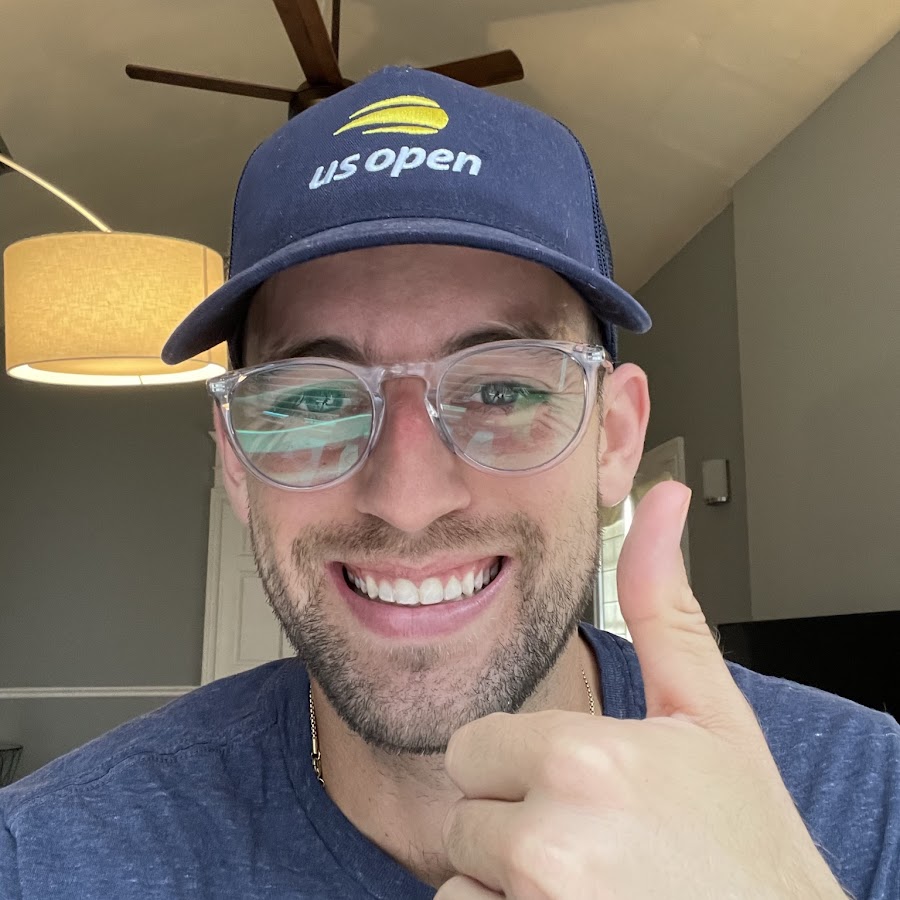
My
name
is
Ben
and
I
turned
my
side
project
into
a
full
time
job
This
is
Ben
a
regular
dude
in
a
regular
night
of
five
who
always
wanted
to
start
his
own
business
He
was
always
starting
different
side
projects
but
nothing
really
worked
Until
one
day
he
changed
his
entire
approach
Don't
go
full
time
on
your
project
until
you
do
this
Once
he
made
this
change
he
started
a
business
that
would
eventually
hit
15
000
MRR
and
allow
him
to
work
full
time
on
his
own
stuff
The
idea
finally
started
to
get
traction
when
I
brought
Ben
onto
the
channel
to
share
everything
including
what
he
learned
from
all
his
failed
side
project
ideas
why
this
idea
was
different
and
how
with
the
right
approach
anybody
can
build
a
side
project
that
makes
money
All
right
let's
get
into
it
I'm
Pat
Walls
and
this
is
Starter
Story
All
right
welcome
Ben
to
Starter
Story
Tell
me
about
who
you
are
what
you
built
and
what's
your
story
My
name
is
Ben
Bozet
and
I'm
a
software
developer
who
created
Tech
Lockdown
Tech
Lockdown
is
a
platform
that
helps
adults
block
websites
and
apps
and
just
be
more
intentional
with
their
internet
use
It
started
out
as
a
side
project
but
I
was
actually
laid
off
in
2023
and
I
had
to
make
the
decision
to
either
go
full
time
on
my
side
project
or
accept
a
job
offer
and
go
back
into
working
full
time
All
right
well
let's
go
a
little
bit
deeper
into
how
Tech
Lockdown
works
What
does
this
app
do
and
how
does
it
work
The
core
part
of
the
platform
is
the
content
policy
which
lets
you
schedule
when
websites
and
apps
are
blocked
and
you
can
use
categories
or
keywords
to
instantly
block
millions
of
websites
and
apps
But
then
once
you
set
that
up
you
connect
your
devices
using
a
VPN
connection
You
know
your
smartphone
or
your
computer
is
now
using
a
filtered
internet
connection
Cool
What
type
of
people
use
Tech
Lockdown
What's
your
typical
user
So
my
typical
user
is
an
adult
They're
just
trying
to
be
more
careful
with
how
they
use
the
internet
and
they
might
have
developed
unwanted
habits
or
compulsive
behaviors
The
business
model
is
typical
SaaS
subscription
I
have
a
14
day
free
trial
which
allows
people
to
try
things
out
set
things
up
and
decide
if
it's
a
good
fit
And
then
from
there
they
either
pay
15
month
to
month
or
they
pay
basically
10
a
month
if
they
pay
for
an
annual
plan
Ultimately
I
want
people
to
buy
an
annual
plan
but
a
lot
of
people
give
up
after
like
a
month
So
I
provide
that
option
All
right
well
one
of
the
things
that
I
really
think
is
cool
about
your
story
you
had
a
full
time
job
and
this
was
a
side
project
Have
you
always
been
building
side
projects
Yeah
So
ever
since
you
know
in
college
I
was
doing
side
projects
messing
around
with
stuff
even
when
I
had
a
full
time
job
and
I
just
could
never
shut
that
side
of
my
brain
off
So
the
first
failed
side
project
was
I
made
a
lead
generation
platform
for
freelance
developers
to
help
them
find
clients
And
I
just
got
way
too
obsessive
over
like
the
colors
on
the
website
and
the
logo
and
the
name
of
it
And
I
just
didn't
think
about
the
business
model
enough
or
how
I
would
get
customers
So
it
just
didn't
go
anywhere
The
next
thing
I
worked
on
was
a
landing
page
builder
This
time
I
wasn't
obsessed
but
I
didn't
really
think
about
how
I'd
launch
it
And
I
burnt
myself
out
before
launching
it
I
overcomplicated
it
and
it
didn't
go
anywhere
And
then
I
ended
up
co
founding
a
web
agency
with
a
designer
and
another
developer
Did
that
for
about
two
and
a
half
years
but
it
was
just
really
difficult
a
hard
business
to
run
Ultimately
I
was
glad
when
we
ended
that
business
Okay
so
you
had
a
few
kind
of
failed
side
projects
that
didn't
work
out
How
did
you
come
up
with
the
idea
for
Tech
Lockdown
Well
it
ultimately
started
back
in
2020
when
work
from
home
became
normalized
and
everyone
was
just
getting
way
too
much
internet
time
So
I
decided
to
set
up
guardrails
around
my
own
internet
use
I
found
out
that
it
was
just
really
hard
to
do
that
So
I
spent
a
ton
of
time
researching
and
kind
of
putting
together
my
own
system
that
would
work
well
for
me
And
then
from
that
I
just
distilled
that
into
a
YouTube
video
and
a
Reddit
post
And
I
was
shocked
by
how
many
people
were
messaging
me
and
emailing
me
and
asking
me
to
consult
and
all
these
things
But
at
that
point
I
actually
didn't
start
monetizing
it
at
all
Kept
creating
free
content
and
building
my
audience
About
a
year
later
is
when
I
actually
monetized
it
All
right
so
you
had
built
this
side
project
It's
doing
well
It
has
paying
customers
And
then
something
crazy
happens
What
happened
Well
I
got
laid
off
And
I
kind
of
already
planned
to
leave
in
September
of
that
year
But
I
had
to
figure
out
all
these
things
like
how
do
you
pay
for
health
insurance
How
expensive
is
that
The
income
from
tech
lockdown
was
like
3
000
at
that
point
which
would
not
have
covered
my
expenses
My
natural
instinct
was
to
go
back
to
this
like
safety
net
which
is
a
W
2
income
But
I
figured
I'm
only
going
to
get
this
opportunity
probably
once
Let
me
give
it
a
good
shot
And
at
least
I
know
that
if
I
go
back
and
I
do
an
interview
somewhere
I
bet
I
could
get
another
job
I
ended
up
doubling
down
on
tech
lockdown
And
I'm
glad
I
did
that
because
it's
grown
by
5x
since
I
was
laid
off
What
do
you
think
was
different
about
tech
lockdown
as
a
side
project
compared
to
your
previously
failed
side
projects
Well
I
think
the
first
thing
is
that
I
didn't
start
off
trying
to
make
a
side
project
It
was
genuinely
something
that
I
was
passionate
about
And
I
was
trying
to
solve
a
problem
I
also
didn't
overcomplicate
the
logo
and
the
marketing
and
all
that
I
actually
didn't
have
a
logo
until
I
had
a
few
hundred
customers
So
I
was
just
laser
focused
on
if
I
have
any
free
time
it's
got
to
go
towards
the
most
meaningful
stuff
It
was
actually
really
helpful
to
have
an
audience
who
was
really
focused
on
that
topic
too
So
that
when
I
actually
worked
on
something
I
felt
like
I
wasn't
just
like
throwing
something
out
there
and
into
the
ether
I
knew
that
someone
would
use
it
eventually
So
it
was
really
motivating
compared
to
what
I
was
doing
before
I
know
a
lot
of
people
watching
this
right
now
might
have
a
full
time
job
They're
figuring
out
how
do
I
find
the
time
to
build
What
should
I
work
on
What
hours
of
the
day
should
I
work
Can
you
break
down
a
little
bit
more
tactically
about
how
you
built
this
business
with
limited
time
and
energy
I've
formed
a
habit
of
waking
up
really
early
in
the
morning
prioritizing
development
tasks
and
stuff
that
just
required
more
focus
and
attention
in
the
morning
So
I
would
do
that
between
5
30
and
8
o
clock
8
30
And
then
if
I
worked
on
anything
in
the
evening
evening
it
might
be
more
like
marketing
related
because
I
could
do
those
kinds
of
tasks
without
having
to
be
hyper
focused
and
alert
And
I
also
stayed
really
focused
on
a
specific
marketing
strategy
If
you're
juggling
a
full
time
job
and
you're
also
trying
to
do
customer
acquisition
through
marketing
you
should
pick
a
channel
that
is
energizing
to
you
and
that
you
can
do
reliably
and
that
you
don't
dread
doing
So
for
me
that
was
content
marketing
But
for
other
people
it
literally
might
be
knocking
on
doors
talking
to
customers
face
to
face
It
just
depends
on
your
personality
That's
awesome
Thanks
for
sharing
all
that
For
anyone
watching
this
right
now
who
has
a
side
project
or
they're
thinking
about
starting
a
side
project
and
they
have
a
full
time
job
what
would
be
your
advice
to
them
I'd
say
make
sure
that
you
have
a
way
to
get
customers
I
think
the
customer
acquisition
problem
is
a
thing
you
have
to
solve
before
you
leave
your
job
And
you
have
to
have
a
plan
that
you
can
kind
of
throw
gasoline
on
right
If
I
have
40
hours
a
week
to
throw
at
this
I
know
that
there's
going
to
be
an
extra
output
I
wouldn't
start
a
side
project
just
because
you
hate
your
job
and
you
just
want
to
work
for
yourself
It's
really
not
that
glamorous
being
your
own
boss
If
you
have
a
problem
with
your
job
maybe
just
make
your
full
time
job
getting
a
better
one
Start
a
side
project
when
it's
something
you're
genuinely
passionate
about
that
you
would
almost
work
on
for
free
if
you
couldn't
make
money
with
it
All
right
before
we
finish
Ben's
story
I
want
to
speak
directly
to
anyone
watching
this
who's
stuck
in
a
nine
to
five
and
thinking
I
want
to
build
something
too
I
just
don't
know
where
to
start
The
truth
is
there's
never
been
a
better
time
to
start
a
side
project
And
thanks
to
AI
you
don't
need
to
spend
months
learning
how
to
code
code
This
is
why
we
created
Starter
Story
Build
It's
our
accelerator
that
helps
you
go
from
idea
to
working
product
in
just
a
couple
weeks
We'll
show
you
how
to
guide
AI
to
build
the
app
for
you
skip
the
tutorials
and
actually
launch
something
real
and
stay
focused
and
accountable
inside
a
cohort
of
other
builders
Ben's
story
is
proof
side
projects
can
change
your
life
but
you
have
to
start
and
Starter
Story
Build
is
the
best
place
to
do
that
If
you're
interested
just
click
the
first
link
in
the
description
to
join
I
hope
to
see
you
in
there
Now
let's
get
back
to
Ben's
story
All
right
well
let's
take
a
dive
into
ideas
You
started
a
bunch
of
side
project
ideas
A
lot
of
them
failed
and
one
was
really
successful
What
would
be
your
playbook
or
strategy
for
finding
a
good
side
project
idea
For
one
thing
I
would
pick
an
idea
that
you
can
make
a
very
simple
version
of
that's
still
complete
that
you
can
use
to
validate
and
bring
to
market
quickly
If
the
idea
that
you're
picking
is
going
to
take
you
two
years
to
build
there's
no
simplified
version
that
you
can
release
I'm
not
sure
that
I
would
do
it
Another
thing
I
would
do
is
start
off
by
building
an
audience
Don't
wait
to
have
the
product
before
you
build
the
audience
And
it
needs
to
be
an
audience
that's
interested
in
that
topic
not
just
like
your
general
social
media
following
You
need
to
have
like
a
pretty
good
customer
list
of
pre
qualified
people
that
would
use
it
Then
you'll
have
something
an
audience
to
launch
to
once
you're
ready
with
a
simplified
version
of
your
product
If
you
have
limited
free
time
and
energy
you
need
to
not
dread
waking
up
early
in
the
morning
to
work
on
your
side
project
It
needs
to
be
something
you're
genuinely
passionate
and
excited
about
so
that
at
the
end
of
a
long
workday
you're
not
like
resentful
of
this
thing
that
you're
working
on
You're
excited
and
ready
to
go
And
maybe
you're
even
thinking
about
it
during
the
workday
because
it's
just
something
you're
genuinely
into
Okay
great
Can
you
break
down
some
of
the
numbers
behind
this
business
How
big
is
it
How
much
money
is
it
making
In
the
last
two
years
there've
been
over
2
million
people
that
have
found
the
site
organically
either
through
Google
search
or
referrals
or
social
channels
I
have
1
300
customers
that
generate
over
15
000
in
monthly
recurring
revenue
And
then
I
have
a
mailing
list
with
around
20
000
contacts
All
right
cool
So
I
mean
that's
an
amazing
business
that
you
built
Let's
talk
about
actually
how
you
grew
that
business
What
was
the
growth
and
marketing
strategy
to
go
from
zero
to
15K
MRR
So
my
core
strategy
was
just
to
write
really
well
researched
and
helpful
content
I'm
going
to
give
it
away
for
free
And
it
made
it
really
easy
for
people
to
just
share
the
stuff
that
I
was
writing
I
made
a
guide
on
how
you
can
convert
an
iPhone
into
a
dumb
phone
because
I
know
there's
this
audience
of
people
that
are
just
kind
of
fed
up
with
their
smartphone
and
they're
tired
of
being
addicted
to
it
So
I
basically
showed
with
a
really
detailed
step
by
step
guide
how
you
can
make
it
so
that
you
can
only
access
like
a
few
key
apps
on
your
iPhone
and
like
you
can't
even
use
Safari
or
anything
like
that
That
article
alone
it's
one
of
the
top
performing
guides
that
I've
ever
published
And
it's
been
read
hundreds
of
thousands
of
times
I
also
developed
this
kind
of
a
system
or
an
approach
at
least
that
I
could
use
when
promoting
content
or
videos
on
Reddit
And
the
thing
with
Reddit
is
you
can't
be
overly
promotional
So
you
have
to
be
a
little
bit
more
subtle
So
if
I
made
like
a
YouTube
video
or
I
made
a
guide
I
would
put
like
all
of
the
good
stuff
in
that
Reddit
post
I
would
kind
of
just
tack
on
a
reference
to
like
the
YouTube
video
or
the
guide
But
what
I
found
was
more
people
engaged
with
it
So
it
was
more
likely
to
go
to
the
front
page
And
then
at
the
same
time
there's
a
lot
of
people
that
want
to
explore
the
topic
further
And
they
figure
if
you've
got
some
other
resource
you
probably
are
talking
about
other
things
So
I
think
that's
why
that
ends
up
working
Okay
well
thank
you
for
sharing
those
Is
there
a
specific
strategy
or
framework
that
you
have
when
with
creating
content
and
what
creates
successful
content
I
think
a
big
part
of
it
is
authenticity
A
lot
of
my
competitors
are
kind
of
these
faceless
apps
or
companies
They
look
really
corporate
but
maybe
don't
look
so
trustworthy
And
especially
if
you're
doing
a
side
project
people
don't
know
who
you
are
You're
not
a
big
company
And
it
helps
to
just
put
your
face
on
it
and
own
what
you're
building
And
then
when
I
write
about
content
I'm
not
saying
we
I'm
saying
I
I'm
not
pretending
to
be
a
big
company
when
it's
just
me
working
on
the
project
All
right
well
let's
get
into
the
fun
stuff
TechStack
what
are
the
tools
languages
frameworks
and
apps
that
you
use
to
run
this
business
So
a
lot
of
my
TechStack
decisions
were
based
on
time
constraints
So
a
lot
of
my
early
decisions
were
things
like
using
SuperBase
for
the
database
and
authentication
And
then
I
would
use
simpler
web
application
frameworks
like
SvelteKit
which
is
a
little
more
accessible
if
you're
just
a
JavaScript
developer
and
you
don't
go
too
far
into
React
land
I
was
using
Vercel
for
hosting
even
though
you
could
do
it
cheaper
yourself
20
a
month
is
well
worth
it
to
have
the
peace
of
mind
and
a
continuous
deployment
system
I
think
the
most
important
part
of
my
stack
was
actually
the
email
provider
I
use
Mailgun
and
Elastic
Email
I
think
I
ended
up
paying
about
150
a
month
But
I
email
a
lot
of
people
I
pay
for
Google
Gemini
I
pay
for
like
the
light
plan
for
Ahrefs
I
use
Plausible
Analytics
Plausible
is
just
an
amazing
analytics
tool
that
I
check
daily
It's
probably
one
of
the
more
important
optional
things
that
I
pay
for
And
a
lot
of
the
costs
are
just
on
the
tech
stack
side
of
things
Infrastructure
tends
to
be
really
cheap
But
all
in
all
like
you
should
be
able
to
hit
a
70
profit
margin
easily
with
all
the
optional
stuff
added
in
All
right
So
one
of
the
last
questions
I
want
to
ask
you
is
you
know
you
built
a
bunch
of
side
projects
What
have
you
learned
through
building
these
that
surprised
you
It's
actually
not
that
hard
to
make
money
with
a
side
project
The
hard
part
is
making
it
into
a
viable
business
There's
a
lot
of
side
projects
that
are
basically
just
selling
a
dollar
for
90
cents
And
when
they
actually
go
to
scale
it
doesn't
work
out
And
they
can't
take
it
to
be
a
full
time
job
It's
less
about
being
really
innovative
or
inventive
It's
just
coming
up
with
a
smart
strategy
where
your
customer
acquisition
cost
is
low
enough
that
you
can
build
it
into
a
sustainable
business
and
grow
it
outside
of
just
yourself
The
last
question
I
want
to
ask
you
is
if
you
could
stand
on
Ben's
shoulder
when
you
were
starting
all
those
side
projects
when
you
finally
started
that
successful
one
what
advice
would
you
give
to
young
Ben
not
overcomplicate
things
and
find
the
simplest
version
of
the
product
to
prove
the
concept
first
Getting
bogged
down
in
the
details
leads
to
burnout
and
not
actually
shipping
the
product
What
you'll
find
with
a
lot
of
side
projects
is
no
one
ever
actually
sees
it
because
it
never
gets
shipped
So
distill
it
down
to
the
core
feature
set
test
it
build
an
audience
but
don't
overcomplicate
it
Well
that's
great
advice
Thank
you
Ben
for
coming
on
the
channel
I
love
the
business
you
built
Sole
opener
building
all
yourself
It's
amazing
Congrats
and
hope
to
see
you
on
the
channel
again
Thanks
for
having
me
Pat
I
love
Ben's
story
because
it's
something
that
anybody
watching
this
video
can
do
too
He
was
just
a
regular
guy
with
an
idea
but
the
difference
was
he
decided
to
actually
go
and
build
it
He
started
it
on
the
side
grew
it
slowly
and
eventually
went
all
in
That
goes
to
show
you
that
sometimes
all
you
need
is
the
willingness
to
just
put
in
the
work
So
I
want
to
challenge
you
It's
time
to
start
building
your
side
project
And
the
perfect
place
to
start
doing
that
is
inside
Starter
Story
Build
We'll
show
you
how
to
go
from
a
simple
idea
to
a
real
working
app
in
just
a
couple
of
weeks
Hundreds
of
people
have
joined
and
started
launching
their
first
apps
It's
really
cool
to
see
So
if
you're
interested
in
taking
on
that
challenge
head
to
the
link
in
the
description
and
check
out
Starter
Story
Build
All
right
Thank
you
guys
for
watching
I'll
see
you
in
the
next
one
Peace