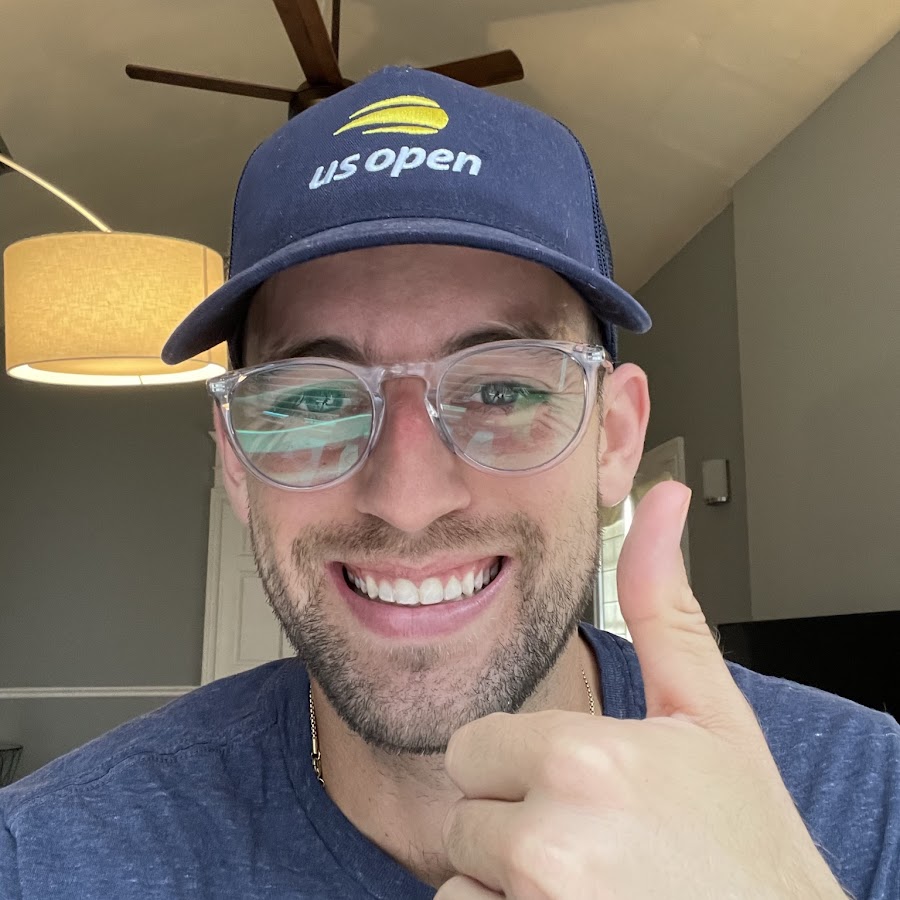
My
name
is
John
Rush
and
I
run
20
different
projects
during
3Million
Era
John
Rush
started
his
career
working
for
huge
VC
backed
startups
but
after
feeling
unhappy
and
a
bit
bored
with
the
VC
life
he
decided
to
throw
it
all
out
the
window
and
instead
launch
his
own
apps
as
a
solo
founder
And
over
the
past
three
years
he's
built
launched
and
now
runs
over
26
different
apps
I
built
a
VC
for
10
years
until
I
realized
this
one
thing
In
this
video
we'll
take
you
behind
the
scenes
of
John's
exact
process
for
building
a
portfolio
portfolio
of
profitable
apps
We'll
dive
into
the
exact
steps
he
uses
to
come
up
with
every
single
idea
how
he
gets
paying
customers
before
building
anything
and
a
full
breakdown
of
all
the
different
apps
he
runs
The
secret
of
running
26
startups
is
Alright
let's
get
into
it
I'm
Pat
Walls
and
this
is
Starter
Story
Welcome
John
Rush
to
Starter
Story
Thanks
for
coming
on
Tell
me
about
the
business
that
you
built
and
what's
your
story
My
name
is
John
Rush
and
I'm
running
26
startups
at
the
same
time
After
quitting
the
VC
world
and
joining
the
bootstrap
movement
all
my
businesses
have
combined
around
1
million
users
in
B2B
and
combined
3Million
Era
where
seven
products
bring
most
of
the
revenue
and
the
other
products
are
bringing
the
audience
and
that
channel
to
the
paid
products
The
most
popular
tool
I
have
is
called
Unicorn
Platform
It's
a
website
builder
that
helps
business
founders
to
build
their
landing
pages
waitlists
and
directories
Okay
so
let's
move
to
a
little
bit
about
your
background
how
you
got
started
as
an
entrepreneur
and
what
your
story
looks
like
Yeah
so
it
all
started
when
I
was
little
So
my
father
was
an
entrepreneur
He
would
involve
me
into
everything
he
was
doing
just
for
fun
And
by
2020
I
was
10
years
in
to
building
VC
backed
startups
And
that's
when
I
kind
of
felt
that
it
was
something
against
my
nature
I
was
so
obsessed
with
users
I
was
so
obsessed
with
the
products
and
the
love
from
the
users
for
my
products
But
in
the
VC
backed
world
I
felt
like
the
whole
obsession
was
kind
of
different
In
2022
I
decided
to
enter
the
bootstrap
scene
I
found
the
one
tool
that
I
liked
the
most
called
Unicorn
Platform
And
I
reached
out
to
the
founder
and
I
said
like
do
you
want
to
sell
this
product
to
me
the
whole
startup
And
also
when
you
sell
it
you
will
join
me
for
a
year
and
you
will
teach
me
how
to
be
a
bootstrapper
and
how
to
be
an
indie
maker
And
he
said
yes
So
I
paid
almost
a
million
dollars
for
that
startup
and
then
and
he
guided
me
on
and
everything
So
he
was
my
mentor
for
a
year
I
went
from
being
VC
backed
founder
who
knows
nothing
about
bootstrapping
to
becoming
pretty
prominent
bootstrapper
in
the
scene
Cool
Well
on
that
topic
I
would
love
if
you
actually
did
a
deep
dive
on
your
projects
You
don't
have
to
go
through
all
of
them
but
some
of
the
products
you're
most
proud
of
and
that
bring
in
the
most
revenue
for
your
business
So
all
my
products
are
for
busy
founders
So
the
first
one
is
Unicorn
Platform
It's
a
website
builder
and
directory
builder
for
busy
founders
and
it
has
600
000
users
The
second
one
is
SEO
Bot
It
has
100K
MRR
and
it
has
grown
in
less
than
12
months
And
it
was
one
of
the
first
SEO
AI
agent
on
the
market
The
third
one
is
Listing
Bot
It
finds
all
relevant
directories
on
the
internet
and
it
lists
your
product
there
Thank
you
for
sharing
all
that
You
seem
like
you're
pretty
good
at
finding
ideas
that
work
I
would
love
if
you
walk
through
your
process
for
ideating
and
validating
an
idea
that
you're
going
going
to
end
up
working
on
and
building
Yeah
so
I
used
the
same
process
over
and
over
again
for
all
my
20
plus
products
It
all
starts
with
my
own
pain
at
work
that
I
want
to
solve
And
then
I
look
for
solutions
for
that
pain
And
if
I
don't
find
the
solutions
on
the
market
then
I
go
and
talk
about
this
pain
on
the
internet
And
if
I
see
other
people
resonate
with
my
pain
and
they
say
yeah
I
have
the
same
pain
and
I
wish
there
was
a
solution
then
that's
going
to
be
a
green
signal
for
me
to
go
to
the
next
step
I
launch
a
wait
list
and
I
see
whether
I
am
able
to
generate
100
signups
I
email
them
all
and
I
offer
them
90
discount
on
a
pre
sale
before
I
build
anything
And
then
if
I
get
five
sales
I
build
the
first
MVP
I
don't
even
build
a
product
I
actually
deliver
the
solution
manually
At
this
stage
I
don't
care
about
the
merchants
yet
I
just
care
about
the
solution
being
delivered
to
the
customers
and
whether
they
actually
satisfied
with
that
And
usually
it's
not
that
straightforward
Usually
I
have
to
iterate
and
I
deliver
solution
to
the
customers
and
they
don't
like
it
So
I
iterate
iterate
until
they
like
it
And
it's
easier
to
iterate
when
there
is
no
product
when
there's
no
code
It's
much
easier
because
I
just
have
to
change
my
own
routine
and
my
own
service
And
once
I
find
a
sweet
spot
where
it
satisfies
the
users
I
go
and
find
a
co
maker
The
co
maker
joins
in
We
spend
two
three
month
building
And
then
I
have
this
big
launch
on
Twitter
And
that's
it
That's
the
blueprint
for
all
the
products
I
have
Well
let's
talk
about
that
kind
of
co
maker
strategy
I
haven't
seen
that
too
much
before
or
heard
too
much
about
that
So
I'm
curious
how
does
it
actually
work
How
do
you
find
great
developers
or
product
managers
for
this
And
how
does
partnerships
work
for
that
Finding
a
co
maker
is
really
hard
Same
as
finding
a
co
founder
So
I
usually
talk
to
other
makers
and
I
become
friends
with
them
And
that
runs
for
years
or
months
And
then
eventually
when
I'm
looking
for
a
co
maker
it's
not
that
difficult
for
me
to
figure
out
who
to
reach
out
to
Because
I
see
that
I'm
building
a
tool
for
social
media
And
there
were
these
three
founders
building
something
similar
in
the
past
and
they
have
failed
And
now
if
I
pitch
them
the
idea
that
has
passed
the
validation
part
I
have
pre
sales
done
and
I
have
some
users
It's
really
easy
to
convince
them
to
join
And
we
share
the
ownership
50
50
It's
just
regular
co
ownership
where
I
take
care
of
all
the
operation
legal
parts
accounting
And
the
co
maker
takes
care
of
the
coding
and
support
If
you
want
to
be
the
co
maker
people
want
to
work
with
the
best
thing
to
do
is
to
build
things
in
public
Because
that
makes
it
so
easy
for
anyone
else
to
evaluate
you
and
to
just
see
whether
you
have
things
in
common
etc
All
right
before
we
finish
talking
about
John's
projects
I
need
you
to
hear
this
Shipping
20
projects
is
insane
productivity
But
the
minute
you
aim
one
of
those
apps
at
the
enterprise
well
B2B
the
questions
from
leads
and
customers
start
to
change
Enterprise
buyers
don't
just
ask
does
it
work
They
ask
are
you
SOC
2
compliant
HIPAA
compliant
ISO
27001
compliant
Miss
that
box
and
your
six
figure
deal
evaporates
especially
since
these
frameworks
can
take
months
and
months
to
achieve
And
that's
why
Starter
Story
has
partnered
with
Vanta
on
this
video
Vanta
is
a
trust
management
platform
that
automates
the
painful
parts
of
compliance
It
hooks
into
your
stack
runs
continuous
checks
and
keeps
the
evidence
all
clean
for
auditors
So
you
can
stay
in
build
mode
while
Vanta
handles
the
paperwork
Vanta
saves
teams
about
535
000
a
year
and
pays
for
itself
in
three
months
It's
built
for
startup
speed
and
shaped
by
thousands
of
teams
No
wonder
10
000
plus
companies
like
Ramp
Atlassian
LangChain
and
Cursor
use
it
to
prove
security
in
real
time
So
if
you're
looking
to
land
enterprise
and
B2B
customers
or
just
make
your
project
as
secure
as
possible
get
started
with
Vanta's
free
compliance
for
startup
bundles
It
has
compliance
checklists
case
studies
videos
and
more
to
help
you
get
compliant
quickly
demonstrate
security
and
build
customer
trust
Just
head
to
the
first
link
in
the
description
access
it
get
compliant
close
the
deal
Huge
thanks
to
Vanta
for
supporting
the
channel
Now
let's
get
back
to
the
video
Okay
let's
talk
about
marketing
because
you
told
me
that
you
handle
the
distribution
side
of
things
I'd
love
to
hear
what
your
kind
of
secret
sauce
is
that
comes
to
marketing
so
many
different
businesses
and
getting
hundreds
of
thousands
of
users
I
think
that
the
key
essence
of
good
marketing
is
good
product
The
ideal
marketing
is
where
the
product
just
drives
the
sales
and
drives
the
word
of
mouth
But
it's
difficult
to
build
a
great
product
right
away
So
usually
you
start
with
an
average
product
and
you
have
to
do
the
boring
marketing
methods
to
bring
first
users
and
then
use
those
users
to
improve
your
product
and
make
it
great
So
before
my
product
is
great
I
usually
go
for
SEO
And
then
the
second
most
popular
method
I
have
is
social
media
marketing
So
I
run
that
on
X
on
LinkedIn
on
Substack
on
Facebook
everywhere
I
repurpose
the
same
content
on
all
platforms
and
I
do
that
every
day
So
I
share
at
least
30
tweets
a
month
and
sometimes
more
And
then
the
third
one
is
the
listings
on
directories
This
is
a
very
very
good
way
to
grow
your
product
if
your
product
is
hot
and
interesting
In
my
case
all
products
are
connected
to
AI
and
it's
easy
to
package
them
in
a
way
that
people
want
to
click
them
when
they
see
them
on
directories
So
if
your
product
is
also
click
baity
it's
easy
to
drive
traffic
from
directories
Then
I
do
cross
promo
which
is
quite
unique
to
me
Every
user
that
tries
one
of
my
products
ends
up
trying
at
least
one
more
product
And
often
I
have
people
who
try
all
of
my
products
The
cross
promo
works
really
really
well
because
people
trust
you
already
and
they
know
you
deliver
Cool
What
I
think
is
really
cool
about
how
you
have
all
these
different
projects
is
actually
the
marketing
strategy
that
comes
with
that
And
it's
this
idea
of
cross
selling
or
cross
promotion
Can
you
tell
me
a
little
bit
more
about
that
So
I
have
over
20
tools
where
some
tools
are
premium
tools
I
make
money
on
and
some
tools
are
just
to
bring
traffic
in
and
channel
it
to
my
premium
tools
I
do
two
things
So
one
thing
is
that
I
link
tools
with
each
other
And
the
other
thing
that's
more
interesting
is
that
I
integrate
tools
with
each
other
For
example
in
SEObot
I
have
a
button
called
Boost
My
Domain
Rating
And
if
you
click
that
then
it
brings
you
to
my
other
tool
called
Listenbot
that
helps
you
to
boost
your
domain
rating
I
have
these
integrations
across
all
the
products
So
users
natively
float
from
product
to
product
and
end
up
using
my
entire
ecosystem
Let's
move
on
to
the
next
topic
which
is
AI
I'd
love
to
know
how
you
are
using
AI
to
build
run
grow
and
make
your
business
more
efficient
The
way
I
use
AI
for
building
the
products
is
that
I
built
my
own
tool
my
own
AI
code
generator
that
lets
me
build
all
my
SaaS
products
no
code
tools
and
AI
agents
And
it
works
extremely
well
I
think
AI
in
coding
is
probably
the
best
application
of
AI
in
the
modern
days
And
then
I
use
AI
a
lot
for
design
I
make
all
my
logos
with
AI
I
make
all
my
images
with
AI
So
basically
I
don't
use
designers
for
most
of
my
work
And
then
I
use
AI
for
research
In
the
past
I
would
hire
people
and
I
would
give
them
research
tasks
But
now
I
just
go
for
O3
research
mode
or
growth
research
mode
and
I
give
it
a
task
and
then
it
spends
like
10
minutes
and
then
I
have
a
perfect
table
with
all
the
data
I
need
And
then
I
use
AI
for
marketing
That's
where
I
gain
the
most
profit
from
AI
I
think
because
marketing
is
consuming
a
lot
of
resources
otherwise
So
I
use
it
for
SEO
I
use
it
for
generating
emails
I
use
it
for
copywriting
and
generating
ads
and
everything
So
basically
I
generate
everything
with
AI
Then
I
use
AI
for
operation
So
I
built
one
tool
called
Nova
So
it's
like
a
project
manager
AI
And
it
manages
all
the
projects
I
have
with
the
co
makers
because
I
have
a
lot
of
co
makers
And
this
AI
is
just
taking
care
of
all
those
processes
Well
on
that
note
we're
going
to
talk
about
some
more
tools
Tell
me
about
what
kind
of
tools
and
languages
are
you
using
on
a
daily
basis
What
are
your
favorite
tools
What
runs
the
business
Yeah
so
I
use
JavaScript
and
Tailwind
for
coding
And
it
turned
out
that
AI
is
perfect
for
these
two
Then
I
use
Grok
for
learning
So
if
I
have
a
question
I
ask
Grok
because
Grok
has
connection
to
real
time
tweets
And
that's
where
all
the
best
data
is
like
all
the
best
content
is
on
Twitter
And
then
Grok
has
access
to
that
I
use
Discord
for
chats
and
for
project
management
And
then
I
use
Apple
Notes
for
writing
I
tried
everything
that's
complicated
and
then
I
went
back
to
Apple
Notes
And
then
I
use
Cloud
and
Gemini
and
OpenAI
APIs
inside
my
tools
It's
kind
of
a
race
where
every
month
I
keep
switching
between
them
because
one
model
is
better
this
month
than
the
other
model
So
I
use
all
three
of
them
at
the
same
time
and
then
let
users
choose
The
AI
tools
are
pretty
expensive
to
run
For
example
in
SEObot
we
have
around
70
margins
So
we
make
100k
a
month
and
then
we
pay
30k
for
APIs
And
then
in
non
AI
tools
where
the
costs
are
pretty
low
I
have
90
margins
The
main
cost
for
Unicorn
Platform
for
example
is
support
agents
And
I
have
humans
doing
that
And
I
like
to
have
humans
for
that
because
AI
doesn't
have
the
soul
So
people
don't
want
to
chat
with
AI
They
just
ask
questions
and
they
leave
But
when
you
have
humans
in
support
then
people
might
just
start
chatting
about
random
things
and
create
this
relationship
So
I
think
I
want
to
keep
human
support
for
all
my
products
Well
on
that
note
I
think
what's
cool
about
your
story
is
you
did
VC
you
had
an
exit
even
and
then
you
also
did
solopreneurship
You've
done
both
You've
seen
both
So
tell
me
about
some
of
the
differences
between
VC
bootstrapping
and
what
you
think
the
future
of
startups
are
In
the
VC
world
I
think
people
have
to
understand
the
game
And
I
did
not
understand
the
game
I
was
all
about
building
great
products
making
happy
users
but
the
game
was
about
exits
So
everything
has
to
be
optimized
for
an
exit
In
the
bootstrap
world
it's
totally
different
You
optimize
for
profits
rather
than
for
the
next
funding
round
In
the
VC
world
you
pay
for
growth
In
the
bootstrap
world
you
want
to
have
product
led
growth
In
the
VC
world
you
have
many
people
working
for
you
and
you
want
to
grow
the
headcount
as
much
as
possible
because
that
increases
your
valuation
And
in
the
bootstrap
world
you
want
to
cut
the
headcount
as
much
as
possible
Ideally
you
want
to
be
a
solo
because
then
there's
no
cost
at
all
OK
on
more
of
a
personal
topic
I
would
love
to
learn
a
little
bit
more
about
what
your
life
is
like
What
does
a
day
in
life
look
like
for
you
I
live
in
a
forest
and
I
have
no
social
life
I
have
family
and
children
and
animals
So
I
wake
up
in
the
morning
I
go
outside
I
take
care
of
animals
I
change
their
water
I
bring
them
food
I
cut
some
grass
I
do
some
exercise
outside
And
after
one
hour
I
come
back
and
I
work
for
five
hours
Then
my
kids
come
from
studying
and
then
we
spend
time
together
for
two
three
hours
Then
they
go
to
sleep
Then
I
go
back
to
work
for
another
five
hours
Then
I
go
to
sleep
at
4
a
m
And
I
wake
up
at
10
a
m
So
I
sleep
six
hours
a
day
And
it
worked
well
until
now
But
now
I
feel
like
I
have
to
sleep
more
than
that
Cool
Wow
That
was
not
the
answer
I
was
expecting
that
you're
on
a
farm
But
I
love
that
What
is
something
that
you
learned
in
your
journey
that
surprised
you
or
you
didn't
expect
So
the
first
time
when
I
seen
Build
in
Public
I
thought
it's
all
about
marketing
So
people
do
that
to
get
more
eyeballs
on
their
products
And
that's
free
marketing
And
that's
true
But
I
realized
that
even
bigger
value
of
Building
in
Public
is
that
you
build
up
a
direct
channel
with
the
audience
and
the
users
that
helps
you
to
build
great
products
Before
Building
in
Public
my
failure
rate
was
really
high
90
of
the
things
I've
done
failed
And
when
I
started
Building
in
Public
it
flipped
So
now
only
10
of
my
products
fail
and
90
don't
fail
because
I
adjust
them
before
I
ship
them
just
because
I'm
Building
in
Public
Cool
I
like
that
Last
question
that
we
ask
all
founders
that
come
on
Starter
Story
If
you
could
stand
on
John's
shoulders
when
you
were
getting
started
with
that
first
bootstrap
that
ended
up
becoming
in
your
whole
portfolio
what
advice
would
you
give
him
or
anyone
building
SaaS
getting
started
today
The
most
important
thing
when
you
build
a
startup
is
the
idea
and
the
founder
idea
fit
So
people
start
looking
for
random
ideas
and
random
spaces
And
I
think
that's
wrong
I
think
people
should
try
to
build
something
they
understand
In
my
case
I
went
into
the
extreme
and
I
built
things
for
my
own
work
And
that's
something
I
understand
really
really
well
But
I
think
people
should
build
for
their
own
work
They
should
solve
their
own
problems
And
I'm
sure
at
any
job
in
the
world
there
are
hundreds
of
things
you
can
solve
with
software
So
don't
go
too
far
Don't
look
for
random
things
Just
look
around
you
and
see
what
are
the
pain
points
in
your
job
Founder
market
fit
Build
something
that
you
are
passionate
about
or
you
have
some
expert
knowledge
in
and
you
have
such
an
advantage
and
such
a
head
start
I
love
that
Thanks
for
coming
on
the
show
John
I
love
what
you
built
26
businesses
3
million
ARR
It's
amazing
It's
only
going
to
keep
growing
I'm
stoked
to
watch
your
journey
Thanks
for
coming
on
and
sharing
all
that
Thanks
for
having
me
What
I
think
is
probably
the
coolest
part
about
what
you
built
is
how
all
your
different
apps
kind
of
all
work
together
That
kind
of
cross
selling
and
cross
promotion
thing
I
see
a
lot
of
people
building
lots
of
different
things
that
are
unrelated
But
what
I
think
really
works
for
him
is
that
every
app
he
builds
kind
of
compounds
onto
the
next
one
But
it
all
starts
with
actually
building
something
building
that
first
idea
and
then
doing
that
over
and
over
and
over
again
So
shameless
plug
I
would
love
if
you
checked
out
Starter
Story
Build
It
is
our
platform
to
teach
you
how
to
build
startups
apps
and
projects
with
AI
tools
I'll
put
the
link
in
the
description
for
that
If
you're
serious
about
actually
building
something
in
12
days
you
will
take
an
idea
to
a
real
ship
product
that
can
actually
have
users
And
I
think
that's
awesome
Thanks
guys
for
watching
watching
I'll
see
you
in
the
next
one
Peace