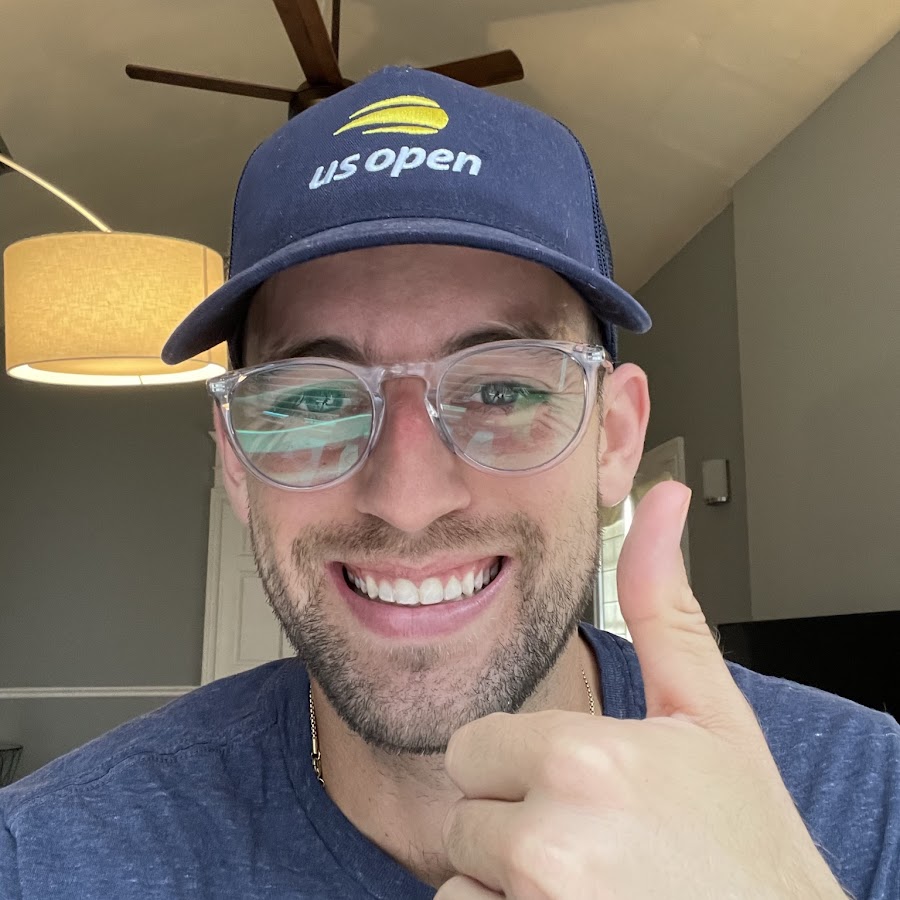
This
guy
turned
1
000
into
a
60
million
investment
fund
through
a
loophole
that
nobody's
talking
about
The
syndicate
He
invited
us
out
to
New
York
to
show
us
exactly
how
it
works
and
how
anyone
can
be
a
venture
capitalist
without
being
a
member
of
the
ultra
rich
Alex
has
invested
in
over
270
private
startups
and
the
crazy
part
is
he
still
hasn't
quit
his
full
time
job
It's
probably
a
70
30
split
of
70
full
time
job
30
kind
of
the
side
hustle
VC
world
A
syndicate
is
like
a
special
club
for
investing
and
now
it's
popping
up
everywhere
Why
Because
it
allows
regular
people
like
Alex
to
invest
in
unicorn
startups
with
as
little
as
1
000
But
how
does
someone
raise
over
60
million
from
a
bunch
of
random
investors
By
using
a
strategy
called
deal
scouting
Most
VCs
that
I
meet
aren't
going
to
give
a
shit
about
me
right
My
check
is
small
I'm
insignificant
to
them
But
if
you're
able
to
share
high
quality
deals
or
you
actually
source
a
deal
that
they
end
up
doing
you'll
see
the
relationship
change
quite
a
bit
In
this
video
Alex
breaks
down
everything
How
he'd
start
over
from
scratch
how
he
found
his
first
deal
and
how
to
evaluate
startups
that
could
return
over
20X
When
I
say
big
winner
I
mean
50
100
250X
ROI
in
your
investing
I'm
Pat
Walls
and
this
is
Starter
Story
All
right
man
Thanks
for
having
me
Appreciate
it
Tell
me
about
who
you
are
and
what
you're
doing
My
name
is
Alex
Pattis
and
I
run
what's
called
a
syndicate
A
syndicate
is
an
alternative
approach
to
venture
capital
where
you
would
invest
in
the
fund
and
then
the
manager
would
deploy
on
your
behalf
What
we
do
is
we
provide
direct
access
to
a
specific
deal
and
allow
our
limited
partners
to
participate
in
as
little
as
1
000
So
I
was
able
to
invest
in
275
companies
deploy
about
60
million
in
total
capital
all
as
a
side
hustle
while
I
was
kind
of
operating
as
an
early
stage
employee
at
a
startup
And
as
I
understand
it
you
can
technically
invest
in
a
startup
that
you
wouldn't
be
able
to
invest
in
previously
because
you're
putting
just
a
little
bit
of
money
in
and
then
you
are
working
with
a
network
of
people
to
put
the
rest
of
the
money
in
Yeah
So
I'm
not
high
net
worth
I
don't
have
a
ton
of
money
to
deploy
Right
For
me
this
is
an
avenue
to
meet
a
typical
minimum
threshold
to
get
directly
on
that
cap
table
So
if
we
are
to
invest
100K
in
a
company
and
you
invest
1
000
into
my
SPV
you're
going
going
to
own
1
of
this
entity
that
goes
on
the
cap
table
And
then
at
some
point
in
the
future
when
the
company
might
IPO
or
exit
you
will
then
make
a
return
if
we
have
a
positive
outcome
Something
changed
in
the
last
few
years
where
now
this
opportunity
is
possible
Can
you
tell
me
a
little
bit
more
about
that
Yeah
You've
now
seen
a
number
of
companies
that
help
individuals
set
up
these
SPVs
So
you've
got
players
like
AngelList
like
Sidecar
like
Carta
enabling
individuals
like
me
who
have
zero
AUM
nobody's
invested
in
my
fund
to
go
out
there
and
identify
a
great
founder
or
a
great
company
to
invest
in
I
can
set
up
this
SPV
I
can
reach
out
to
friends
friends
of
friends
those
who
are
accredited
investors
to
participate
in
that
deal
and
invest
through
my
vehicle
Backing
syndicates
is
kind
of
a
unique
way
for
these
everyday
investors
to
access
this
venture
capital
asset
class
where
you
need
to
actually
have
a
relationship
with
the
founder
the
CEO
the
company
and
at
the
right
time
of
when
they're
actually
raising
a
round
So
most
of
these
folks
while
interested
in
venture
capital
they
don't
know
the
founders
founders
They
don't
know
the
timing
to
be
talking
to
the
founders
We
take
care
of
all
of
that
by
securing
these
allocations
knowing
the
timing
knowing
the
right
companies
and
provide
them
an
avenue
to
participate
in
these
deals
unlike
the
public
markets
where
you
can
simply
research
buy
and
trade
as
you
see
fit
So
it's
a
really
nice
way
to
bundle
these
checks
democratize
access
to
a
lot
of
these
startups
And
I
think
yeah
over
the
past
five
years
we've
seen
significant
growth
there
And
a
lot
of
these
platforms
have
played
a
kind
of
meaningful
role
in
that
as
well
Tell
me
about
your
backstory
How
do
you
get
here
Out
of
college
I
got
a
sales
job
at
J
J
selling
medical
devices
That
job
took
me
to
Sacramento
California
decided
I
needed
to
make
the
move
to
New
York
So
I
did
that
And
that
was
my
kind
of
intro
point
to
the
world
of
operating
in
early
stage
startups
So
I
ended
up
joining
the
company
called
Market
Access
Transformation
joined
as
the
first
employee
pre
launched
kind
of
the
stage
of
it's
myself
and
the
founder
and
kind
of
a
concept
that
we're
looking
to
bring
to
life
The
company
went
on
to
have
a
really
great
outcome
and
exit
But
before
we
got
there
and
I
was
on
the
journey
I
kind
of
felt
that
my
net
worth
worth
was
heavily
tied
up
in
one
single
company
So
in
the
process
of
trying
to
diversify
some
of
my
future
net
worth
I
identified
kind
of
of
syndicates
and
special
purpose
vehicles
I
started
out
by
backing
Jason
Calacanis
syndicate
And
that
was
like
a
great
opportunity
for
me
to
see
some
of
the
deals
he
was
doing
and
get
the
opportunity
to
participate
participate
Over
a
one
year
period
I
invested
in
a
handful
of
startups
I
started
to
ramp
up
deal
flow
I
started
to
meet
other
founders
That
was
kind
of
the
point
and
inspiration
to
launch
my
own
syndicate
At
this
time
I
really
invested
a
lot
of
time
networking
with
other
venture
capitalists
And
I
branded
myself
as
kind
of
this
deal
flow
hustle
guy
who
would
essentially
get
the
opportunity
to
learn
from
them
What
deals
do
they
want
to
see
What
deals
do
they
want
to
participate
in
How
do
they
think
about
investing
So
after
like
grinding
this
out
for
a
couple
of
years
I
ended
up
co
syndicating
deals
meaning
I
would
team
up
with
another
syndicate
lead
to
kind
of
put
both
our
deal
flow
together
and
our
LP
or
our
investor
base
together
to
get
more
deals
done
And
that
was
when
things
really
started
to
take
off
So
this
was
probably
end
of
2020
So
the
past
three
and
a
half
years
is
really
where
we've
been
able
to
lean
in
now
back
275
different
companies
deploy
about
60
million
in
total
capital
and
pick
up
a
lot
of
key
learnings
back
a
lot
of
awesome
founders
and
companies
along
the
way
So
what's
crazy
about
all
this
is
you've
invested
in
over
270
companies
while
part
time
How
the
hell
did
you
do
this
It's
navigating
what
are
the
times
that
I
can
spend
talking
to
the
right
founders
scheduling
the
right
intro
calls
with
them
For
me
I'm
a
morning
person
I
get
up
very
early
and
that's
kind
of
my
opportunity
to
get
in
a
couple
hours
of
work
before
kind
of
the
day
job
hits
So
a
lot
of
times
it's
the
early
morning
meetings
It's
the
late
evening
meetings
I
meet
founders
for
coffee
all
the
time
on
the
weekend
It's
probably
a
70
30
split
of
70
full
time
job
30
kind
of
the
side
hustle
VC
world
I
also
believe
in
kind
of
the
long
term
vision
here
I
think
there's
a
bigger
opportunity
This
is
a
growing
category
I
want
to
be
known
as
the
syndicate
lead
there
A
lot
of
that
thinking
and
attitude
I
think
has
enabled
me
to
go
the
extra
mile
whether
it's
taking
an
hour
out
of
the
evening
or
the
weekend
or
whatever
to
meet
the
founders
founders
build
a
relationship
make
sure
that
if
they
are
indeed
the
right
company
and
the
right
time
for
us
to
invest
I'm
going
to
be
there
to
get
that
allocation
Quick
break
This
is
me
five
years
ago
desperate
to
start
my
own
business
but
plagued
with
shiny
object
syndrome
I
tried
building
SaaS
tools
freelancing
affiliate
marketing
but
none
of
these
business
ideas
ever
panned
out
to
anything
But
everything
changed
one
day
when
I
looked
inside
and
wondered
what
if
instead
I
built
a
business
around
what
I'm
good
at
and
what
I'm
passionate
about
Well
that
decision
led
me
to
building
a
business
that
now
makes
over
a
million
dollars
a
year
And
that's
what
Starter
Story
is
all
about
It's
a
community
of
thousands
of
founders
who
changed
their
life
by
building
an
online
business
around
their
skills
and
their
passions
Our
4
000
plus
case
studies
and
business
idea
breakdowns
will
show
you
how
regular
people
just
like
you
found
the
right
idea
and
turned
it
into
millions
For
example
Luke
joined
Starter
Story
and
dove
into
our
case
study
about
a
newsletter
business
that
makes
over
25
million
a
year
year
Just
one
month
later
he
launched
his
own
newsletter
business
that
did
5
800
in
revenue
in
30
days
So
if
you're
serious
about
finding
that
right
idea
click
the
first
link
in
the
description
We're
running
a
special
for
the
YouTube
family
All
right
enjoy
the
video
I'll
see
you
around
Peace
Let's
talk
about
your
first
deal
You
invested
as
I
understand
only
1
000
in
your
first
deal
Can
you
tell
me
about
how
that
manifested
and
how
it
worked
I
ended
up
finding
this
particular
deal
through
another
very
early
stage
venture
capital
fund
that
I
had
built
a
relationship
with
In
this
particular
company
they
were
raising
2
million
at
a
6
million
We
had
the
opportunity
to
invest
150
000
as
the
final
tranche
and
that
company
today
has
recently
raised
at
a
500
million
valuation
Wow
So
that's
like
a
2
000
3
000
return
It's
a
bigger
return
than
you're
going
to
see
in
the
public
markets
It
looks
extremely
well
for
all
of
those
folks
who
got
involved
at
that
6
million
valuation
You've
done
a
ton
of
deals
What
exactly
is
the
selling
point
and
how
are
you
able
to
round
up
so
much
capital
so
easily
as
a
part
time
job
I
think
for
each
deal
there's
a
bunch
of
selling
points
but
there's
really
two
that
stick
out
One
is
who
is
this
tier
one
institutional
fund
that's
leading
the
round
and
has
done
the
diligence
Most
of
these
investors
will
lead
the
round
and
set
the
terms
and
folks
would
not
typically
have
access
So
part
of
my
role
is
gaining
that
access
getting
the
allocation
to
participate
in
that
round
alongside
these
tier
one
these
institutional
venture
capital
funds
for
as
little
as
1
000
per
deal
And
the
second
piece
is
the
founders
right
For
early
stage
investors
we
don't
really
know
if
this
product
is
right
or
if
they're
going
to
pivot
later
on
We're
betting
on
people
to
navigate
the
probably
soon
to
be
choppy
waters
and
figure
out
a
great
solution
to
the
problem
that
they're
trying
to
solve
Identifying
founders
who
have
a
really
good
background
or
market
fit
or
have
shown
success
in
a
previous
company
as
a
founder
or
CEO
those
are
the
people
that
we're
really
looking
to
identify
So
yeah
if
I
had
to
sum
it
up
I'd
say
we
really
focus
on
backing
the
right
people
and
investing
alongside
the
right
investors
270
companies
invested
in
how
do
you
find
all
these
deals
Really
there's
five
different
ways
that
we
typically
source
deals
and
access
founders
The
first
is
co
syndicating
with
other
syndicate
leads
like
myself
right
A
lot
of
times
there
will
be
other
syndicates
that
maybe
have
a
larger
allocation
than
they
can
fill
And
they'll
reach
out
to
us
to
kind
of
co
syndicate
the
deal
team
up
and
put
the
deal
together
A
second
way
is
relationships
with
other
venture
capital
funds
Early
on
in
my
day
I
spent
a
lot
of
time
building
this
SteelFlow
Hustle
Guy
brand
for
myself
And
I
shared
a
bunch
of
deals
with
a
lot
of
different
VCs
Today
I've
been
able
to
access
some
deals
alongside
them
when
they
might
be
leading
the
round
or
they
might
be
setting
the
terms
Another
way
that
we
access
deals
is
through
our
portfolio
founders
So
as
we've
built
relationships
with
the
founders
that
we've
invested
in
and
been
helpful
or
been
easy
to
work
with
and
become
friendly
or
whatever
it
may
be
they're
now
referring
a
lot
of
their
founder
friends
to
us
which
has
been
a
great
way
to
access
founders
early
on
and
really
in
a
positive
light
from
an
existing
portfolio
founder
Another
way
that
we
access
deals
is
through
other
angel
investors
who
invest
very
early
stage
And
you
know
they're
not
going
to
be
competitive
with
us
or
a
bigger
venture
capital
fund
They
always
take
a
small
sliver
of
the
round
itself
And
so
when
I
can
build
good
relationships
with
these
angels
and
source
deals
their
way
they
also
will
share
a
lot
of
the
deals
that
they
are
participating
in
or
have
participated
in
And
then
the
last
piece
is
leveraging
our
investor
base
the
folks
that
invest
in
our
deals
A
lot
of
those
times
there
are
founders
CEOs
heads
of
product
engineering
head
of
sales
or
run
a
small
business
that
might
sell
into
these
startups
So
those
are
kind
of
the
five
different
ways
that
I
have
built
a
flywheel
I'd
say
over
the
past
four
or
five
years
and
see
a
lot
of
the
most
competitive
deals
And
when
you
get
a
deal
how
do
you
evaluate
How
do
you
know
it's
something
that
you
should
or
should
not
invest
in
So
the
founder
CEO
and
their
relevance
to
the
business
is
always
going
to
be
the
most
important
Are
they
in
this
for
the
long
run
Do
they
understand
this
market
based
on
their
previous
role
and
problems
they
may
have
solved
companies
they
may
have
worked
at
Are
they
a
multi
time
founder
Have
they
shown
success
in
a
previous
co
founder
CEO
role
Then
we're
also
looking
at
things
like
how
big
is
this
market
right
And
is
it
a
growing
market
Is
there
an
opportunity
for
this
to
be
a
really
big
company
or
even
have
multiple
big
companies
in
that
market
Are
there
early
signs
of
product
market
fit
A
lot
of
times
we
invest
when
there's
very
limited
traction
you
know
the
business
is
just
getting
off
the
ground
We
want
to
see
those
early
signs
that
they
are
building
a
product
that
customers
want
and
will
pay
for
and
have
the
opportunity
to
scale
And
then
some
of
the
other
things
we'll
look
at
is
who
is
co
investing
in
the
round
I
am
not
built
like
an
institutional
fund
with
management
fees
to
work
nine
to
five
on
this
and
do
the
diligence
that
a
traditional
institutional
fund
would
do
So
piggybacking
or
leaning
on
these
funds
that
are
set
up
to
lead
rounds
set
terms
and
sign
off
or
underwrite
the
deal
is
also
quite
important
when
we
think
about
what's
the
right
fit
for
us
or
not
For
someone
watching
who
wants
to
start
their
own
syndicate
how
do
you
get
started
and
how
do
you
start
sourcing
deals
I
think
it's
really
about
leaning
into
building
a
network
of
individuals
or
funds
that
have
access
to
deals
and
figuring
out
how
they
can
share
them
with
you
And
I
think
in
order
to
build
that
you
really
have
to
have
a
pay
it
forward
mentality
with
some
of
these
relationships
Most
VCs
that
I
meet
aren't
going
to
give
a
shit
about
me
right
They
like
my
check
is
small
I'm
insignificant
to
them
But
if
you're
able
to
share
high
quality
deals
or
you
actually
source
a
deal
that
they
end
up
doing
you'll
see
the
relationship
change
quite
a
bit
where
they
actually
want
to
lean
into
keeping
you
happy
keeping
you
top
of
mind
You
know
I've
got
examples
of
VCs
that
I
probably
sent
10
20
deals
to
and
it
wasn't
until
the
20th
or
so
that
they
actually
ended
up
participating
in
that
round
And
now
like
some
of
these
folks
who
I
spent
a
couple
of
years
sharing
deals
with
I'm
just
now
getting
the
unique
look
of
deals
that
they
are
leading
and
now
sharing
with
me
So
once
you
find
the
deal
what
are
all
the
steps
that
happen
until
this
deal
is
finalized
and
all
the
investors
have
put
their
money
in
The
first
part
is
securing
our
allocation
So
typically
we'll
be
talking
to
the
founder
They
may
have
already
had
a
lead
VC
lead
the
round
and
set
terms
In
that
case
we're
ready
to
secure
our
allocation
and
start
sharing
with
our
investors
What
I
would
do
from
there
is
put
together
both
my
deal
memo
on
why
we're
excited
about
the
opportunity
and
want
to
invest
and
set
up
the
SPV
in
parallel
This
is
typically
about
a
two
day
process
of
putting
the
materials
together
getting
the
SPV
set
up
Once
that's
complete
I
will
then
send
the
deal
materials
to
our
investor
base
Typically
give
them
about
one
to
two
weeks
to
make
their
decisions
in
terms
of
capital
to
the
particular
deal
In
between
that
one
to
two
weeks
we'll
allow
for
any
follow
up
questions
Investors
might
want
to
know
more
about
the
founder's
background
or
their
business
model
five
years
out
from
now
And
then
from
there
once
we've
got
the
capital
committed
which
again
may
be
a
one
to
two
week
period
we
would
then
close
out
the
SPV
and
wire
capital
to
the
company
Just
explain
to
me
how
the
business
model
works
here
How
does
this
make
money
for
you
We
make
money
off
of
what's
called
carried
interest
that
we
refer
to
as
carry
What
this
means
is
if
you
and
this
investor
invest
in
an
SPV
that
we
run
after
an
outcome
an
IPO
an
exit
years
later
everything
that
gets
returned
on
top
of
the
principal
that
you
originally
invested
we're
going
to
take
a
20
carry
of
those
returns
So
you
would
get
80
of
the
profit
So
in
short
I
only
make
money
if
I
return
capital
to
my
limited
partners
The
investment
world
has
some
big
numbers
for
what
you're
investing
in
What's
the
typical
ROI
for
these
investments
The
venture
capital
asset
class
is
high
risk
high
reward
right
This
is
quite
different
from
public
markets
When
you're
investing
in
early
stage
startups
you're
really
trying
to
identify
one
or
maybe
a
couple
big
winners
And
when
I
say
big
winner
I
mean
you
know
50
100
250X
ROI
on
your
investment
And
that
company
is
going
to
make
up
for
the
other
10
20
30
50
losers
that
you
may
have
invested
in
In
order
to
be
a
good
early
stage
investor
you
have
to
do
a
lot
of
deals
You
have
to
diversify
It
is
really
about
finding
that
big
winner
that
Uber
story
that
Airbnb
story
So
last
question
we
ask
to
all
our
founders
or
investors
what
would
be
your
advice
if
you
go
sit
on
Alex's
shoulder
five
years
ago
And
what
would
you
say
First
and
foremost
start
building
a
network
of
folks
who
have
unique
access
to
deals
right
An
awesome
startup
in
a
competitive
round
alongside
these
tier
one
VCs
If
you're
able
to
access
that
there
will
be
investors
out
there
that
want
to
participate
in
that
deal
right
There's
multiple
ways
to
find
them
Being
able
to
continue
that
going
forward
enables
you
to
build
a
portfolio
which
is
kind
of
a
track
record
and
a
growing
resume
which
will
enable
you
for
multiple
different
directions
right
It
could
be
continuing
the
syndicate
investing
in
more
of
the
best
companies
It
could
be
raising
your
own
venture
capital
fund
It
could
be
joining
a
venture
capital
fund
There's
a
lot
of
different
routes
that
you
can
take
And
the
earlier
and
the
faster
you
can
do
that
and
build
a
network
the
quicker
you'll
show
success
in
this
venture
capital
ecosystem
All
right
Thank
you
so
much
Alex
I
appreciate
it
This
was
a
blast
Thank
you
Follow
these
steps
and
you
will
invest
in
270
companies
in
two
weeks
Thank
you