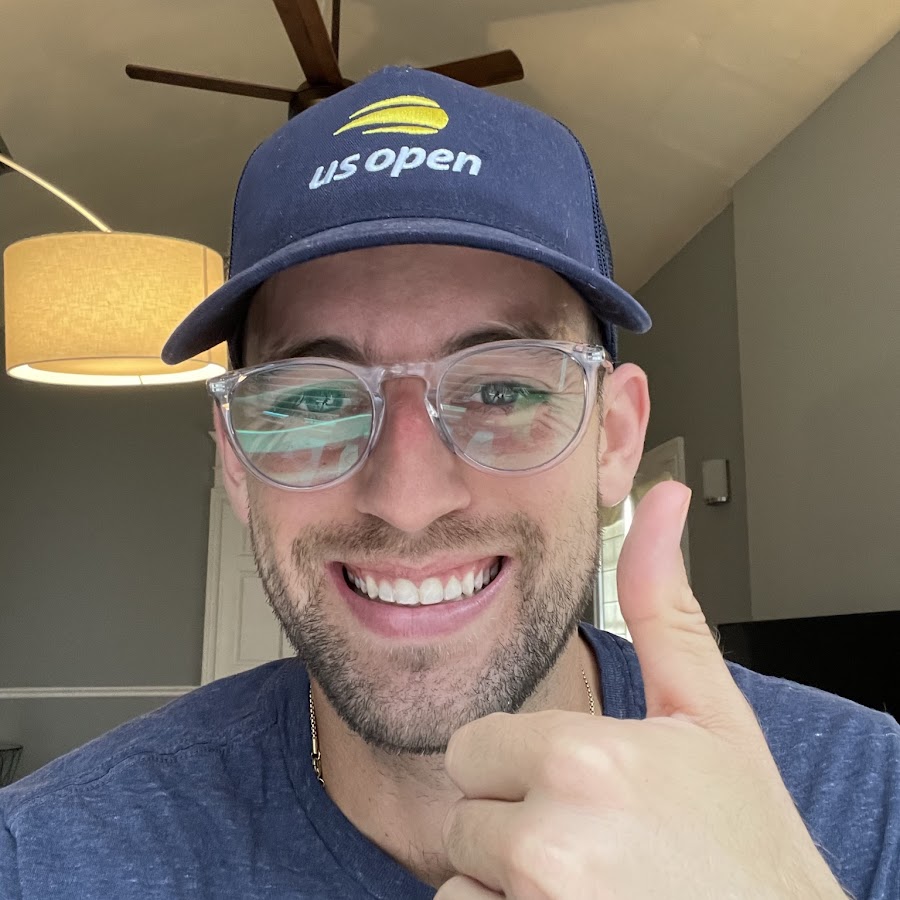
Carl
Hughes
built
a
2
5
million
a
year
business
in
just
two
years
with
one
strategy
Putting
ourselves
in
people's
minds
as
the
premium
provider
He
invited
us
into
his
home
in
Chicago
to
show
us
exactly
how
he
did
it
and
how
he
found
a
niche
where
he
could
charge
tens
of
thousands
of
dollars
per
month
to
just
a
handful
of
clients
But
before
he
started
the
business
Carl
was
plagued
by
self
doubt
I
just
didn't
have
the
confidence
to
think
I
could
do
it
I
didn't
believe
I
was
the
kind
of
person
who
could
start
their
own
company
Now
he's
running
multiple
million
dollar
businesses
with
a
10
year
goal
to
hit
100
million
in
total
revenue
And
his
plan
to
reach
that
goal
has
nothing
to
do
with
starting
businesses
I
got
to
meet
a
couple
of
people
who
had
done
this
thing
called
entrepreneurship
through
acquisition
In
this
video
Carl
shares
what
most
people
get
wrong
when
they
go
to
start
a
product
or
service
And
he
gives
a
step
by
step
breakdown
of
how
he
would
start
all
over
again
with
nothing
I
initially
started
Draft
dev
not
even
as
a
company
There
was
no
website
There
was
no
landing
page
I'm
Pat
Walsh
and
this
is
Starter
Story
Thanks
for
having
me
dude
Good
to
see
you
Pat
Tell
me
about
who
you
are
and
what
you
built
My
name
is
Carl
Hughes
I
run
Draft
dev
primarily
and
then
actually
just
recently
bought
a
second
business
I'll
start
with
Draft
dev
What
we
do
there
is
we
create
technical
content
aimed
at
software
engineers
for
marketing
purposes
So
this
is
for
companies
that
want
to
reach
software
developers
We've
grown
in
three
years
to
over
two
and
a
half
million
dollars
in
revenue
We've
got
a
full
time
team
of
six
or
seven
and
then
hundreds
of
contractors
literally
hundreds
around
the
world
in
54
countries
So
that's
where
I
met
today
Wow
And
so
how
does
that
work
How
does
the
service
work
Draft
dev
Essentially
what
clients
will
do
is
they'll
come
to
us
and
buy
a
package
of
12
24
48
pieces
of
content
that
they're
going
to
publish
on
their
site
Typically
blog
posts
tutorials
things
like
that
And
then
what
we'll
do
is
go
through
the
process
of
finding
or
using
our
writer
pool
who
are
all
software
engineers
that
are
practicing
day
to
day
to
write
this
content
for
them
Pair
them
up
with
good
editors
They'll
clean
up
their
work
We
have
tech
reviewers
and
staff
so
full
time
engineers
that
also
check
their
work
And
then
we
get
stuff
back
to
clients
clients
on
a
weekly
or
twice
a
week
basis
Yeah
And
what's
the
type
of
client
or
company
that
pays
or
something
like
that
Yeah
So
when
we
started
out
it
was
a
lot
of
early
stage
startups
that
were
just
kind
of
trying
to
get
their
first
marketing
efforts
underway
Now
what
we
tend
to
do
is
work
with
bigger
more
established
companies
So
some
of
our
headline
clients
might
be
places
like
Red
Panda
CloudFlare
Dropbox
We've
worked
with
a
lot
of
big
brands
who
are
trying
to
reach
reach
developers
for
one
reason
or
another
And
so
any
company
that
wants
to
sell
things
to
developers
developers
usually
it's
like
software
tools
like
IDEs
or
testing
tools
or
it
could
be
security
tools
all
that
kind
of
stuff
You
want
to
sell
to
a
really
technical
audience
And
so
you
have
to
build
build
authority
with
them
You
have
to
build
trust
And
one
of
the
best
ways
to
do
that
is
through
content
whether
it's
written
or
video
or
some
mix
of
both
Tell
me
about
your
backstory
How
did
you
get
into
this
business
Back
in
college
I
studied
mechanical
engineering
and
minored
in
business
I
initially
thought
I'd
go
work
for
a
really
big
company
I
did
internships
with
ZE
and
Siemens
huge
companies
multinational
And
it
was
the
most
boring
shit
I've
ever
done
in
my
life
So
I
was
like
I
got
to
get
out
of
here
My
dad
was
an
entrepreneur
I
had
an
uncle
who
was
an
entrepreneur
They
were
small
time
local
business
owners
but
they
had
that
freedom
They
had
the
lifestyle
that
I
was
looking
for
more
I
started
to
look
into
that
I
started
looking
at
internet
entrepreneurship
I
learned
how
to
code
on
my
free
time
I
started
picking
up
some
freelance
gigs
making
WordPress
sites
just
for
on
the
side
So
I
came
out
of
school
school
I
moved
to
Chicago
I
worked
with
a
small
company
called
Uloop
I
was
there
for
a
couple
couple
years
And
then
I
got
a
job
as
the
first
engineer
at
a
company
called
PackBack
I
left
about
four
years
into
that
to
go
join
an
early
stage
startup
called
The
Grade
Network
And
then
about
three
years
into
that
COVID
hit
And
that
was
just
the
game
changer
that
kind
of
forced
me
into
entrepreneurship
So
I
was
looking
for
something
to
do
Like
I
got
to
fill
my
time
A
but
I
also
want
to
make
some
money
and
contribute
to
the
family
I
initially
started
Draft
dev
not
even
as
a
company
There
was
no
website
There
was
no
landing
page
There
was
nothing
It
was
a
single
page
on
my
personal
website
called
Carl's
Writing
And
I
would
send
that
around
to
people
and
say
here's
a
bunch
of
things
I've
written
recently
Would
you
pay
me
to
write
for
you
I
sent
that
around
to
all
these
people
in
my
network
I
reached
out
to
people
randomly
I
I
started
to
have
phone
calls
with
people
who
worked
in
these
fields
called
developer
relations
which
I
never
even
knew
about
before
that
And
I
started
to
figure
out
that
oh
maybe
there
is
more
demand
for
this
And
there
is
something
here
So
that
kind
of
started
in
2020
with
me
freelancing
writing
a
few
articles
here
and
there
Within
three
months
I
had
way
more
work
than
I
handle
And
I
started
to
hire
people
and
I
phased
out
of
my
old
job
So
your
niche
developer
relations
content
is
super
unique
How
did
you
find
this
niche
And
what's
your
advice
to
others
that
are
watching
that
are
looking
for
the
right
niche
Yeah
It
comes
to
finding
a
niche
It
wasn't
super
intentional
on
my
part
I
didn't
have
this
formula
where
I
was
going
out
there
and
figuring
out
exactly
what
I'm
looking
for
But
it
was
more
like
is
this
something
I
like
doing
and
I'm
interested
in
And
as
I
talk
to
customers
are
they
willing
to
actually
pay
for
it
It's
really
easy
to
miss
that
because
a
lot
of
people
just
pursue
the
things
they're
interested
in
that
have
no
potential
monetization
or
they
pursue
only
what
customers
want
to
pay
for
but
they
don't
care
about
it
at
all
They
have
no
interest
or
knowledge
in
that
space
And
that's
super
hard
to
stand
out
into
Let's
talk
about
getting
your
first
customer
How
did
you
get
your
first
customer
your
first
few
customers
And
what
would
be
your
advice
for
others
looking
to
get
their
first
customer
I
don't
even
remember
who
the
very
first
customer
was
but
at
least
the
first
five
to
10
were
all
people
I
had
met
at
some
point
in
my
professional
journey
before
and
who
I
had
stayed
in
touch
with
I
have
this
strategy
I
came
up
with
just
after
college
where
I
have
a
spreadsheet
spreadsheet
of
about
50
people
who
I
just
want
to
keep
in
touch
with
Who's
on
that
list
has
changed
over
time
as
my
interests
have
changed
and
what
I'm
doing
But
I've
always
had
a
weekly
reminder
just
go
reach
out
to
a
couple
of
those
people
and
either
have
lunch
or
at
least
send
them
an
email
email
to
see
how
they're
doing
do
a
quick
call
And
that
network
list
has
been
one
of
the
most
powerful
things
in
my
career
It
literally
got
me
my
last
two
startup
jobs
It
got
me
started
with
draft
dev
And
so
that
small
amount
of
effort
as
much
as
it
doesn't
pay
off
quickly
was
super
helpful
in
the
long
run
as
starting
a
business
Let's
talk
about
the
fundamentals
of
a
productized
service
How
has
your
team
set
up
in
terms
of
employees
contractors
and
partners
Again
it's
kind
of
grown
over
time
It
started
off
where
we
would
have
a
writer
and
an
editor
and
then
I
would
kind
of
sit
in
and
do
all
the
tech
reviews
is
what
we
call
them
where
I
just
see
like
is
this
technically
a
very
strong
article
Does
it
make
sense
Is
an
engineer
engineer
that's
actually
like
pretty
experienced
going
to
buy
it
And
eventually
I
hired
out
a
full
time
engineer
to
do
those
tech
reviews
And
then
a
few
engineers
that
were
kind
of
helping
out
on
that
The
team
today
at
draft
dev
is
a
little
smaller
than
we
were
at
our
peak
last
year
just
because
tech
has
kind
of
been
in
a
downturn
VC
funding
is
about
a
third
of
what
it
was
last
year
So
naturally
we
follow
some
of
that
curve
but
we've
still
got
six
full
time
team
members
and
then
hundreds
of
contractors
that
help
us
out
with
things
like
editing
tech
reviews
writing
and
then
a
lot
of
administrative
stuff
too
Let's
talk
about
marketing
as
a
business
scale
You
got
it
to
100K
per
year
and
then
you
took
it
way
bigger
to
2
5
million
a
year
What
are
your
main
ways
that
you
marketed
and
scaled
the
business
to
the
point
it
is
today
So
it
divides
roughly
evenly
into
thirds
We've
got
about
a
third
of
our
business
comes
in
from
referrals
and
word
of
mouth
So
that's
existing
clients
telling
their
friends
their
colleagues
that
are
in
similar
businesses
or
it
could
be
an
existing
client
has
a
marketing
person
that
leaves
and
goes
to
a
new
company
and
they
kind
of
bring
us
along
for
the
ride
ride
And
then
the
other
third
is
going
to
be
organic
search
and
social
media
I
kind
of
lump
those
together
because
they
sort
of
feed
on
each
other
but
that
could
be
things
like
we
write
a
blog
post
that
ranks
for
a
certain
term
like
developer
advocate
What
is
a
developer
advocate
or
something
And
then
we
also
write
a
lot
of
social
media
posts
that
help
kind
of
push
people
towards
that
same
thing
And
then
that
last
third
is
cold
outreach
and
just
unknown
random
things
that
come
up
We've
always
positioned
ourselves
as
the
premium
service
in
this
niche
Therefore
we
don't
do
a
lot
of
discounting
We
don't
do
a
lot
of
one
off
trials
We
make
people
sign
quarterly
commitments
and
that's
all
by
design
Like
the
best
agencies
when
you
look
at
the
way
they
do
it
they
don't
do
little
one
off
work
for
people
And
part
of
it's
just
a
nature
of
our
costs
Like
our
costs
are
pretty
high
per
article
because
we're
paying
engineers
for
their
time
But
at
the
same
time
it's
also
just
about
putting
ourselves
in
people's
minds
as
the
premium
premium
provider
that
kind
of
carries
through
to
all
of
our
marketing
And
so
when
people
come
to
us
most
of
the
time
they've
heard
of
us
through
several
different
channels
but
we
can
kind
of
attribute
it
to
one
primary
channel
You
built
this
business
to
2
5
million
a
year
in
basically
two
years
How
did
you
learn
all
the
skills
needed
to
do
that
One
is
I
was
the
first
employee
at
two
early
stage
startups
So
I
got
to
go
with
the
founders
founders
on
the
journey
from
like
hiring
me
their
first
employee
to
growing
and
raising
money
and
doing
all
the
things
that
founders
do
in
those
early
days
And
so
that
was
super
eyeopening
gave
me
a
ton
of
insight
into
what
it
takes
to
actually
start
a
business
It
also
gave
me
a
lot
of
confidence
I
think
this
is
something
that
most
people
and
myself
included
when
I
was
thinking
about
starting
a
business
and
trying
little
businesses
for
years
before
I
got
Draft
dev
to
actually
work
I
just
didn't
have
the
confidence
to
think
I
could
do
it
I
didn't
believe
I
was
the
kind
of
person
who
could
start
their
own
company
And
seeing
founders
do
that
firsthand
who
were
no
different
than
me
they
weren't
smarter
they
weren't
more
educated
they
were
able
to
do
it
It
made
me
realize
like
oh
this
is
very
possible
It's
not
as
unachievable
as
you
might
think
And
that's
where
like
surrounding
yourself
with
other
entrepreneurs
people
who
are
maybe
one
step
ahead
of
you
is
super
powerful
I
spent
seven
years
trying
to
build
24
different
businesses
but
only
one
of
them
was
successful
Now
that
business
makes
over
a
million
dollars
a
year
year
but
I
could
have
done
it
a
lot
faster
if
I
studied
already
successful
businesses
Imagine
you
could
read
the
exact
steps
to
how
someone
built
a
million
dollar
business
and
the
mistakes
they
made
so
that
you
can
avoid
them
when
you
launch
Well
at
Starter
Story
we
have
a
library
of
over
4
000
case
studies
and
business
idea
breakdowns
where
you
can
do
this
all
backed
by
real
data
For
example
Luke
joined
Starter
Story
and
dove
into
our
case
study
about
a
newsletter
that
makes
25
million
a
year
Just
one
month
later
he
launched
his
newsletter
and
did
5
800
in
revenue
in
30
days
It's
simple
He
studied
what
works
implemented
it
and
avoided
the
mistakes
of
people
that
were
just
a
few
steps
ahead
of
him
So
if
you're
serious
about
finding
a
business
idea
that
works
and
making
your
first
dollar
10
times
faster
check
out
the
first
link
in
the
description
We're
running
a
special
right
now
for
anyone
coming
from
the
channel
Anyways
enjoy
the
rest
of
the
video
Peace
I
also
got
a
lot
of
experiential
practice
by
starting
little
side
projects
that
never
really
took
off
So
I
had
a
ton
of
these
at
least
10
of
them
that
I
actually
have
some
documentation
around
of
what
I
tried
to
do
in
the
business
how
it
didn't
work
what
I
did
learn
from
it
All
of
these
little
experiences
add
up
and
they
stack
up
on
top
of
each
other
So
I
think
it's
important
as
an
entrepreneur
even
if
you're
struggling
and
going
through
a
million
different
little
iterations
of
projects
and
you're
not
hitting
your
stride
that's
okay
That's
part
of
the
journey
and
you
have
to
accept
that
and
just
keep
trying
anyway
If
I
hadn't
kept
trying
then
we
wouldn't
be
here
right
So
Draft
dev
massive
success
in
two
years
What
do
you
think
made
it
so
successful
I
was
able
to
do
it
part
time
and
kind
of
get
myself
like
make
sure
it
was
viable
before
I
went
full
on
into
it
I
think
that
would
have
been
really
tough
to
put
the
pressure
on
myself
to
like
go
a
hundred
percent
full
time
Market
timing
was
a
big
big
factor
COVID
had
just
happened
All
the
tech
companies
that
were
doing
marketing
had
to
redirect
their
conference
in
person
budgets
into
something
because
they
were
all
getting
funding
still
They
still
had
a
lot
of
money
to
play
with
As
we
started
Draft
dev
all
of
a
sudden
there's
just
hundreds
and
hundreds
of
thousands
of
dollars
being
dumped
into
marketing
and
content
in
the
developer
space
And
we
were
so
niche
and
so
specific
that
we
built
trust
much
faster
than
a
company
that
was
just
a
general
purpose
content
agency
would
have
done
So
with
Draft
dev
you
proved
that
the
model
works
and
now
you
bought
another
productized
service
Can
you
tell
me
more
about
that
Yeah
for
sure
Pat
Last
year
when
Draft
dev
was
growing
I
was
able
to
take
a
whole
month
off
when
my
second
son
was
born
And
I
kind
of
had
this
like
existential
crisis
like
what
am
I
doing
And
what
am
I
building
this
for
Like
what's
the
point
Because
I
had
kind
of
achieved
the
goal
that
I
set
out
to
at
the
beginning
which
was
take
a
month
off
and
the
company
runs
without
me
I
got
to
meet
a
couple
of
people
who
had
done
this
thing
called
entrepreneurship
through
acquisition
which
is
basically
going
out
and
buying
a
small
business
and
taking
it
over
and
running
it
And
so
I
got
together
with
a
friend
of
mine
I
kind
of
sold
him
on
this
vision
We
had
been
talking
about
doing
a
project
together
for
a
couple
of
years
He's
like
yeah
I'll
come
along
Let's
do
it
So
we
got
the
money
together
to
kind
of
go
in
and
start
looking
for
a
company
We
went
through
and
talked
to
at
least
50
to
100
founders
about
their
business
how
big
it
was
what
might
make
sense
for
them
if
they
wanted
to
exit
And
then
we
found
three
or
four
that
looked
really
good
We
finally
settled
on
one
that
we
really
liked
and
the
founder
was
ready
to
go
What
it
showed
me
was
A
it's
possible
to
buy
another
business
B
now
that
we've
run
it
for
a
few
months
it's
possible
to
run
someone
else's
and
it
lets
you
skip
years
of
work
And
I
mean
I
don't
want
to
say
that's
free
because
we
obviously
we
paid
for
it
Right
And
there's
a
lot
of
debt
that's
on
the
table
but
at
the
same
time
like
we've
now
jumpstarted
our
second
company
Our
goal
was
to
learn
how
this
process
works
for
buying
a
company
prove
that
we
can
do
it
and
we
can
run
it
and
we
can
make
it
better
hopefully
over
time
And
then
hopefully
do
it
again
in
a
couple
of
years
Let's
talk
about
the
opportunity
of
productized
services
They're
kind
of
blowing
up
right
now
Why
do
you
think
this
is
and
why
are
you
so
bullish
on
them
Productized
services
are
super
appealing
They
were
for
me
because
they'll
allow
you
to
start
a
business
that
is
theoretically
scalable
but
at
the
same
time
it
takes
very
little
cost
to
get
started
with
So
I
think
they're
a
great
place
to
start
for
a
lot
lot
of
entrepreneurs
They're
kind
of
a
little
bit
of
the
best
of
both
worlds
of
like
a
traditional
agency
or
consulting
model
mixed
with
SaaS
and
that
reoccurring
revenue
If
someone's
starting
a
productized
service
today
what
do
you
think
are
some
of
the
best
niches
or
industries
or
verticals
to
go
after
I
would
kind
of
look
at
the
way
I
started
draft
dev
What's
something
you're
interested
in
and
have
the
skills
to
maybe
do
on
your
own
at
the
beginning
especially
if
you're
a
first
time
entrepreneur
because
I'll
admit
that
you
shouldn't
be
doing
all
the
work
forever
but
hiring
other
people
is
a
whole
skill
that
you
have
to
learn
over
time
and
you
should
kind
of
grow
into
it
baby
steps
So
if
you're
starting
your
first
productized
service
find
something
that
you
could
do
most
of
the
work
with
yourself
if
you
had
to
and
then
that
there
is
actual
market
demand
And
this
again
goes
back
to
my
number
one
advice
for
new
entrepreneurs
is
talk
to
more
potential
customers
and
learn
what
are
they
paying
for
today
that
they're
unsatisfied
with
And
if
you
can
get
that
answer
out
of
your
target
audience
and
the
audience
you
want
to
work
with
that's
how
you
build
a
productized
service
I
think
the
wrong
approach
is
go
I
want
to
do
a
productized
design
agency
because
I've
seen
other
ones
be
successful
but
I
don't
know
anybody
who
would
buy
from
me
and
I
don't
know
anybody
who
needs
it
And
I
don't
know
why
those
other
ones
are
successful
I
just
know
they
are
On
the
other
hand
if
you're
able
to
go
talk
to
10
or
12
customers
that
have
tried
these
other
agencies
have
been
unsatisfied
why
are
they
unsatisfied
What
could
you
do
better
if
you
redesign
the
ground
up
And
that's
going
to
give
you
a
way
to
differentiate
And
that's
the
name
of
the
game
when
it
comes
to
like
carving
your
own
little
niche
in
any
product
All
right
man
Thank
you
for
having
me
Yeah
It's
good
to
see
you
Pat
Congrats
on
all
your
success
man
Thank
you
Follow
this
advice
and
you'll
build
a
2
5
million
dev
writing
agency
Just
follow
the
steps